


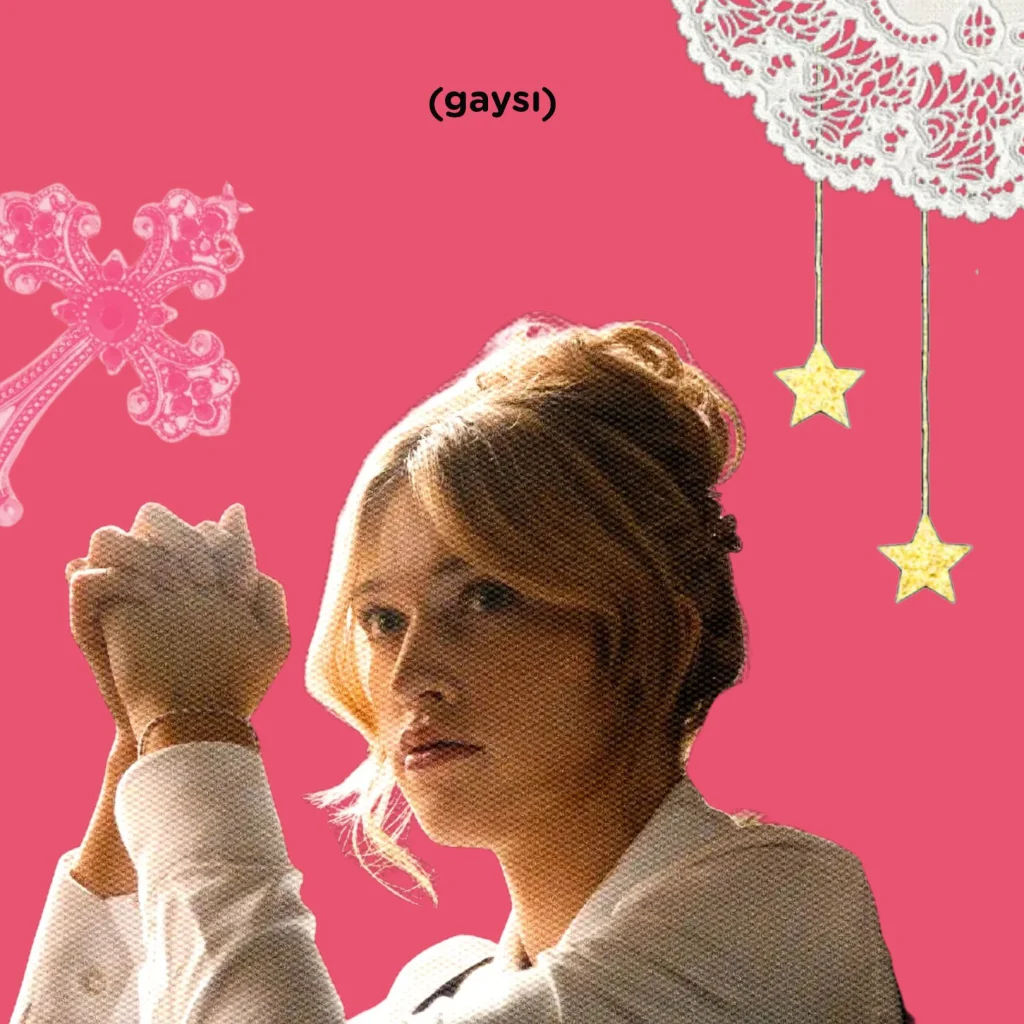
There is something wonderfully perverse about putting teenage girls in an environment obsessed with purity and then watching that purity become the very thing that terrifies everyone.
Netflix’s The Body, created by Quinn Shephard, understands that contradiction. Set in 2004 at a Catholic high school, the series introduces the Lions, a competitive dance team whose Halloween initiation takes a disturbing turn.
After four episodes, I am intrigued by its aesthetic, even if I’m not fully terrified yet. The show feels like a glitter-covered diary that has been left beside a candle for far too long: pretty on the outside, smouldering underneath.
As someone who grew up devouring Pretty Little Liars, Mean Girls and Jennifer’s Body, I recognised the deliciously familiar ingredients immediately. There are polished schoolgirl aesthetics, social rankings, suspicious silences and the sense that somebody always knows more than they are admitting.
But The Body adds another layer: a religious setting where being a “good girl” is not merely a social expectation but a moral commandment. The result is a sapphic nightmare wrapped in glitter, guilt and teenage rebellion, a coming-of-age story in which shame can feel more frightening than anything supernatural.
Pretty Girls, Ugly Secrets
The bubblegum-horror appeal lies in the collision of textures. Dance routines and girlish glamour sit beside crucifixes, whispered prayers and ominous images.
The contrast is not just for Instagram-ready screenshots. It shows how adolescence can be simultaneously theatrical and deeply claustrophobic.
The Lions are expected to move as one perfect unit, even though their private emotions are anything but coordinated. Their closeness can look like sisterhood one minute and a carefully rehearsed performance the next.
This is where Heathers comes to mind: popularity operates almost like a miniature political regime. Pretty Little Liars supplies another useful comparison, with its world of secrets and the sense that everyone is hiding something.
Meanwhile, Yellowjackets offers the most unsettling parallel. Both stories understand how intense female friendships can turn fear into a shared language.
I am not suggesting The Body has already reached the wilderness levels of brutality; rather, its first four episodes reveal how quickly belonging can become another form of control.
Like the stranded girls of Yellowjackets, these teenagers seem to understand that social survival sometimes comes at the expense of individuality.
Desire is not the Demon
In The Body’s opening episodes, queer desire is as unsettling as any supernatural threat, not because it is monstrous, but because girls are taught to fear it.
Anya, the seemingly composed dance captain, and Elise, her best friend, exist somewhere between friendship, longing and the fear of being discovered. Their relationship feels like a messy cocktail of repressed attraction, emotional dependency and teenage insecurity. A lingering glance becomes its own confession in a Catholic school environment where obedience matters more than honesty.
Like Jennifer’s Body, the series understands how female intimacy blurs the boundaries between affection and attraction. But religious guilt makes the ambiguity especially suffocating. Perhaps the greatest tragedy of queer adolescence isn’t falling for the wrong person, but being taught that loving the right person is somehow a sin.
The question beneath the horror is familiar: why must teenage girls be either saints or sinners? Much like Carrie, The Body explores how girls’ bodies and emotions become battlegrounds for adult anxieties. Discipline is celebrated while individuality is punished, a double standard that feels like a reminder that patriarchal expectations don’t disappear simply because they are disguised as concern.
A Slumber Party with the Sinister Aftertaste
Thankfully, The Body isn’t embarrassed by its campiness. Glittery aesthetics, dark humour and Catholic dread collide like The Craft with a Y2K playlist or Mean Girls at a haunted convent.
Its girlish excess isn’t merely decorative. The pink, pretty and supposedly frivolous elements become instruments of genuine unease.
My biggest reservation is that its commitment to heightened teenage melodrama occasionally threatens to overshadow its more intriguing queer themes. With so many secrets and characters, the series risks treating its girls like stylish horror archetypes rather than messy, complicated human beings.
Still, its performances and atmosphere have left me delightfully scandalised, with plenty of questions still unanswered. The Body already suggests that girlhood is packed with rituals, impossible expectations and invisible rules. Throw in forbidden feelings, religious paranoia and Halloween darkness, and school begins to resemble a haunted house.
My verdict: Underneath the glitter, Catholic guilt and carefully rehearsed smiles, The Body suggests that girlhood might be the most demanding religion of all.
