



K-Pop idols coming out? It’s a bigger deal than you’d think. While K-Pop does not shy away from portraying queerness in its lyrics, music and overall imagery, Korean society remains cruel towards queer celebrities, and no anti-discrimination laws exist to protect queer people in South Korea.
For years, coming out meant sabotaging your own career and public image. Hong Seokcheon, who is now one of the most prominent personalities in South Korea’s entertainment and variety broadcast scene, faced intense discrimination when he first came out as gay back in 2000, and it took him years to recover from the backlash before making his way back into the entertainment industry.
Combine that with the strict restrictions placed on K-Pop idols by their companies—including dating bans and extreme diets—and it’s understandable why there are only a handful of openly queer idols and artists.
And with bigger companies, there’s more at stake. Idols under bigger, more established companies often have stricter rules and less freedom than idols from smaller companies, because they debut with more eyes on them from the start and hence they have more to lose.
But lately, there has been a noticeable shift, with more idols starting to openly acknowledge their queerness—often to varying levels of backlash, but an increased level of support from fans, both Korean and international. So here’s a list of some K-Pop idols and Korean artists, both old and new, who have publicly come out or been open about their queerness.
#1: Bain (member of Just B)
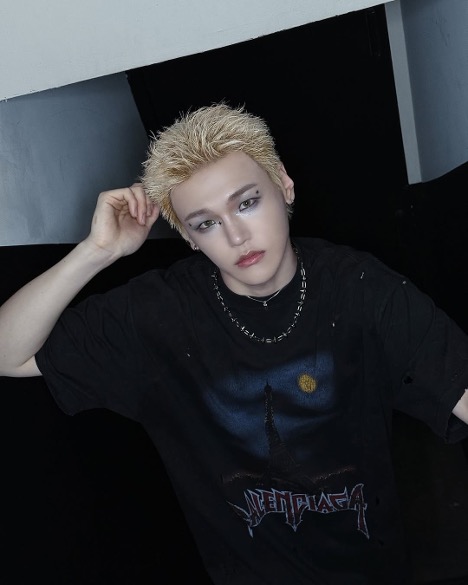
Song Byeonghee, stage name Bain, is a member of K-Pop group Just B. Bain publicly came out as a “member of the LGBT community” during the group’s concert in Los Angeles on April 22, 2025, following which he posted a video of his coming out on his Instagram account and referred to himself as gay in the post caption. Bain received an outpouring of love from Just B fans, and Just B’s company, BLUEDOT Entertainment, handled the situation with respect, simply remarking “Since this pertains to Bain’s personal life and sexual identity, it is difficult for us to provide a separate statement.”
In an interview with Dazed Magazine, Bain shared that while he was initially worried that his coming out would burden the group, his members were nothing but supportive, and so was the company’s CEO, who was also excited to see what new and diverse paths might open up for Bain.
#2: Holland (soloist)
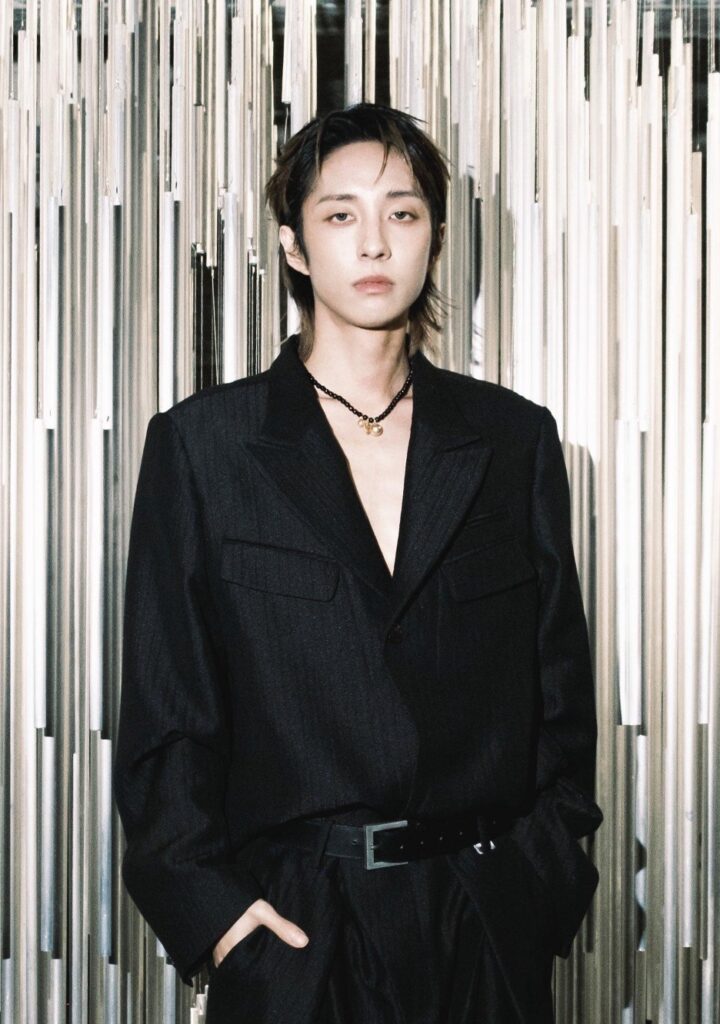
If you approach someone deeply familiar with K-Pop and ask them to name one queer Korean musician or idol, Holland would probably be the most common answer. Go Taeseob, the first openly gay K-pop solo idol, adopted the stage name Holland as a tribute to the first country to legalize same-sex marriage. When none of the entertainment companies he approached wanted to debut an openly gay artist, Holland had to take on multiple jobs to fund his own debut.
Throughout his career, Holland has remained vocal about his queerness, including discrimination he has faced, and he has also criticised queer influencers and YouTubers who have put on an exaggerated “gay image” to pander to straight, conservative Korean audiences. Holland is currently on a musical hiatus due to debts he incurred after the pandemic, but continues to attend fashion events and remain active on social media.
#3: Lady (group)
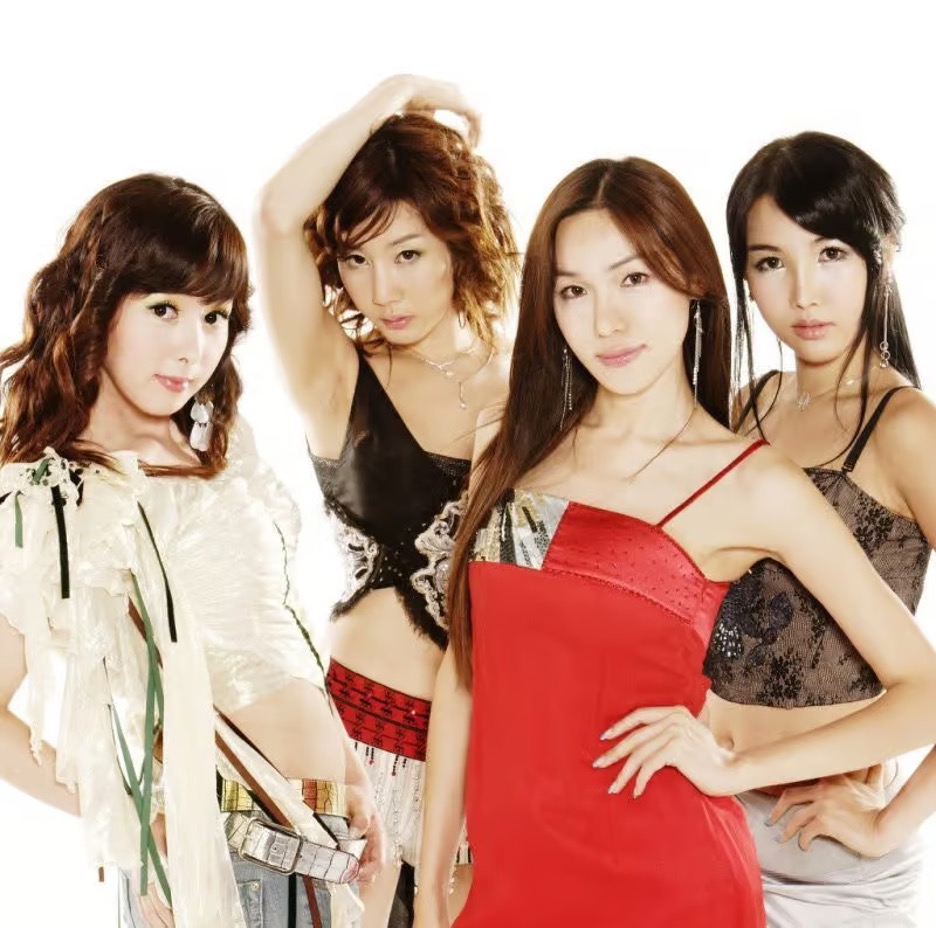
Lady is known as the first transgender idol group in Korea, with all four members being trans women. The group debuted in 2005 under the label Logi Entertainment, and the members in the final lineup were selected from a pool of over 400 trainees. Despite receiving a lot of attention from the media for their trans identities, their music was poorly received. The group even released a nude photobook—Women, Reflect!—in the hopes of creating more publicity, but this was unsuccessful as well, and Lady disbanded in 2007. However, the group’s legacy as the first trans group remains undeniable.
#4: QI.X (group)
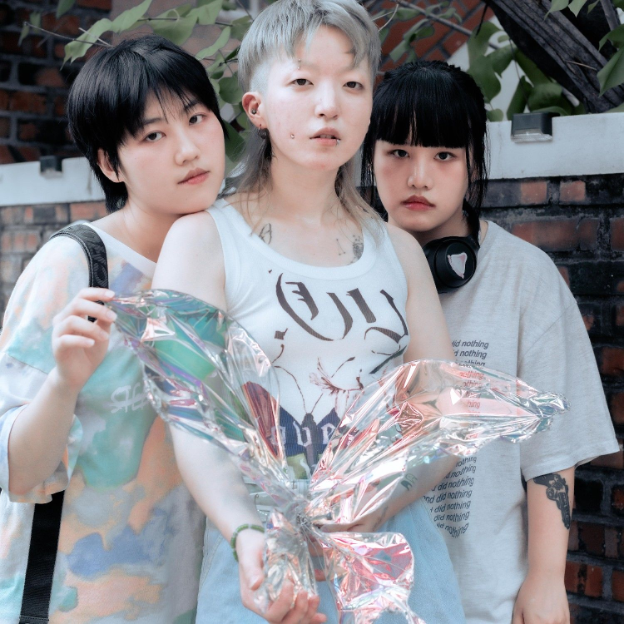
Debuting under Sweet Potato Productions in 2023, QI.X were one of the first K-Pop acts with a lineup of openly queer, transgender, genderfluid and non-binary members. Q stands for queer, I for idol and X for limitless possibilities. Park Ji-yeon, the group’s producer, also identifies as queer and nonbinary, and was the one who brought the members together to form QI.X. Unfortunately, the group received little attention beyond their debut, and released their final single together in 2024 before disbanding, but the few fans they cultivated during their year together had nothing but love and appreciation for what the group represented.
#5: Jiae (soloist, former member of WA$$UP)
Kim Jiae, professionally known as Jiae, first debuted as a member of the girl group WA$$UP in 2013. Following WA$$UP’s disbandment in 2019, Jiae continued to release music as a solo singer-songwriter, and came out as bisexual in 2020 through an Instagram story, while also revealing that she had a girlfriend.
Beyond being open about her sexuality, Jiae has also spoken about the stigma she faces as a bisexual woman. On the Korean TV show Attack on Sisters, she revealed that her previous partner claimed that by continuing to label herself as bisexual, Jiae was “giving men hope”, and asked her, “Can’t you just say you’re a lesbian?”
#6: LIONESSES (group)
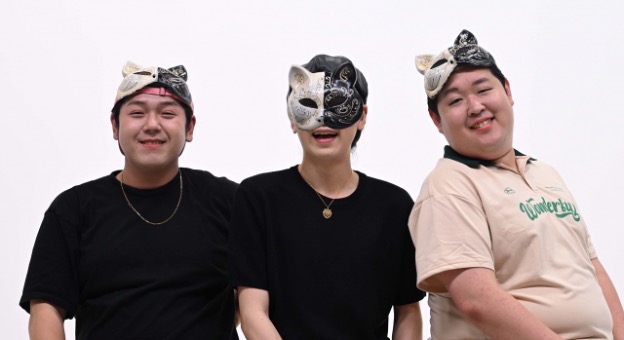
LIONESSES is the first openly queer K-Pop boy group that debuted under STO Entertainment in 2021. Initially, the group members wore masks while performing, with the exception of their leader Damjun. However, in 2024, member Malrang removed his mask for the first time at the end of the music video for their song ‘Like Christina taught me’.
Damjun, who originally formed the group, has spoken about the queer image that K-Pop companies sold without actual queer representation, and how he hoped that the precedents LIONESSES set would help more queer artists and idols to come out.
#7 [BONUS]: Lara (member of KATSEYE)
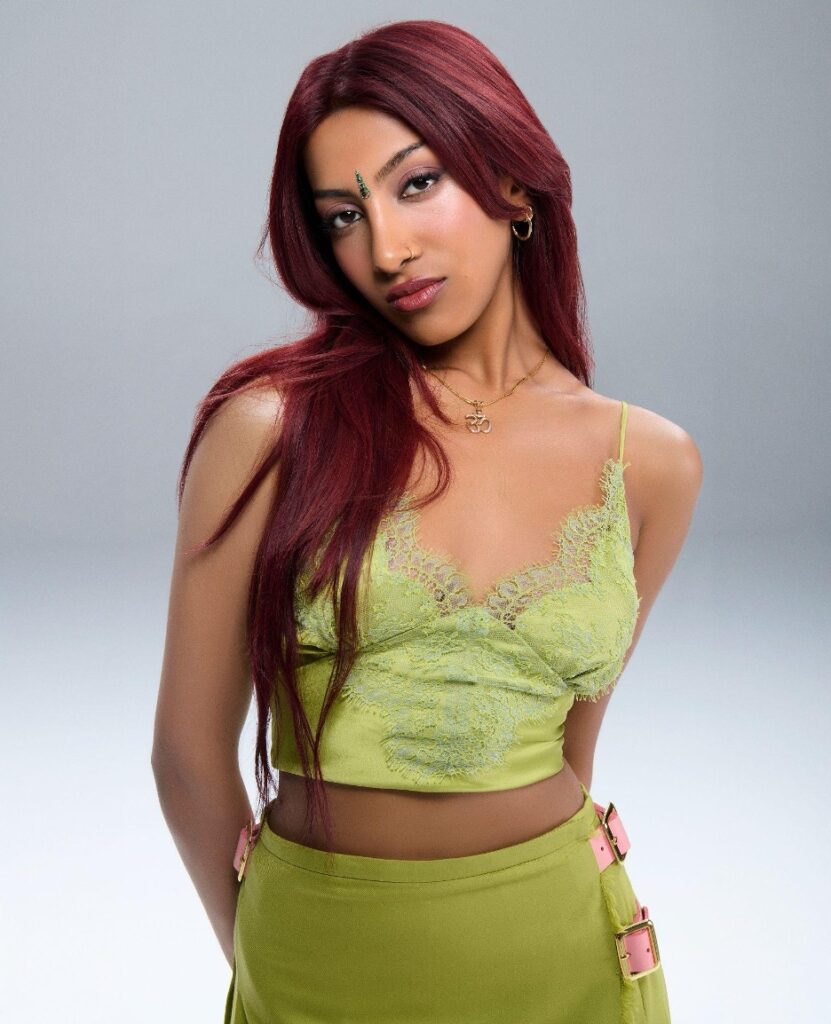
Lara Rajagopalan, professionally known as Lara, is a member of the global girl group KATSEYE, jointly under K-Pop company Hybe, and American record label Geffen Records. In March, Lara came out to KATSEYE fans through a message on Weverse (a paid chatting app for idols and fans), where she referred to herself as “half fruitcake”.
While KATSEYE is technically not a K-Pop group, they are very closely associated with the industry through their label, even promoting on Korean music shows for their most recent release. After Lara came out, Hybe chose not to put out a statement on the matter, describing it as a personal issue related to the artist. This kind of a seemingly neutral stance from the biggest K-Pop company right now is a very good sign, but it should also be acknowledged that KATSEYE have the privilege of the “global girl group” status, and aren’t heavily dependent on the support of Korean fans.
