



We are not unfamiliar with the concept of star-crossed-lovers, it has existed as long as storytelling, and we all love a good romantic tragedy. However, before Shakespeare’s Romeo and Juliet got mainstream, our lands had their own lore and tales in the form of Heer-Ranjha and Laila-Majnu. These stories have been adapted by mainstream Indian cinema for as long as we can remember. The thing about adaptations is that they show us just how universal love and rebellion is. Where there is love, there are obstacles and yearning.
And who knows obstacles in love and yearning better than queer folx? Which is what seems to have inspired Kamya Nair to bring out an adaption of Laila Majnu but this time, it’s queer and our Majnu is a woman named Manju.
Set against the backdrop of the COVID lockdowns in Mumbai, India, “Lailaa Manju” follows the journey of its titular characters, Lailaa and Manju, two young women navigating the complexities of their relationship amidst societal prejudices and familial expectations. Played with remarkable depth and authenticity by the talented ensemble cast, the characters come alive on-screen and resonate with the audience in a fresh way.
Kamya Nair’s directorial prowess shines throughout the film, as she skillfully balances moments of intimacy with anxiety around being “different”. The cinematography, done by DOP Archana Ghangrekar, captures the essence of landscapes, creating a visually striking tapestry that mirrors the emotional landscape of the leads. Contrasting the bustling streets of Mumbai to the newfound, yet ominous serenity of life during the pandemic-induced lockdowns, each frame is imbued with a sense of purpose.
“Since Manju is a graphic designer, the colour of the walls in her bedroom was consciously created as a canvas to reflect her mood. Blue can be many things: but mostly my interpretation is blue is a dark reflective pool…a sort of unconscious space, when the right light hits, it can be dark and sort of amniotic. So the color blue creates a womb-like state inside Manju’s room. The eggshell blue of Ajji’s room is also a take on this to represent her fading consciousness,” Kamya reflects, in an interview with Gaysi Family.
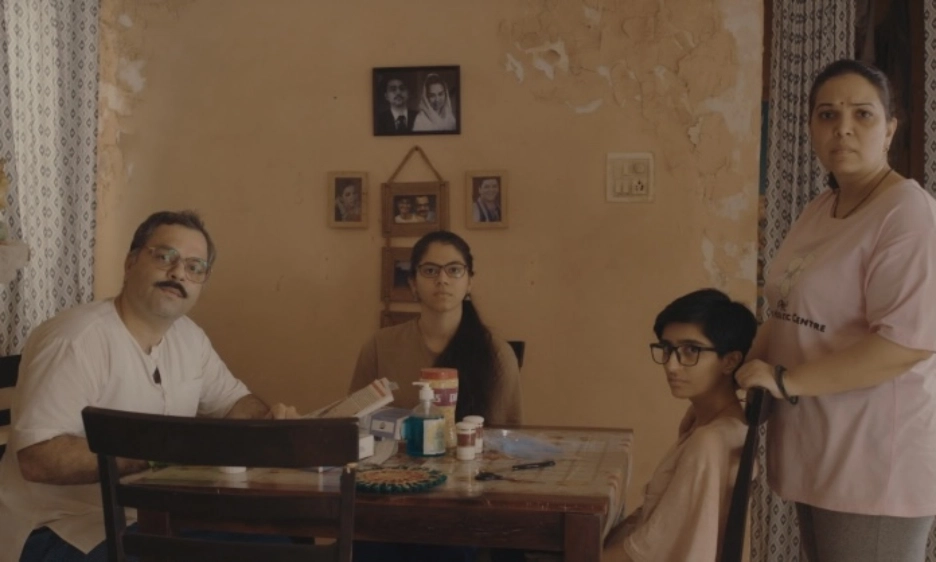
Kamya’s Lailaa Manju sets itself apart with its nuanced take on depicting queer relationships and related complexities on the Indian screen. She portrays the tightrope walk that is being your authentic self and managing family expectations, with finesse. Familial expectations and the guilt that comes with unmet obligations are a near-universal experience in this part of the world. Through the lens of Lailaa and Manju’s relationship, the film confronts deep-rooted prejudices and societal norms, challenging viewers to confront their own biases and misconceptions.
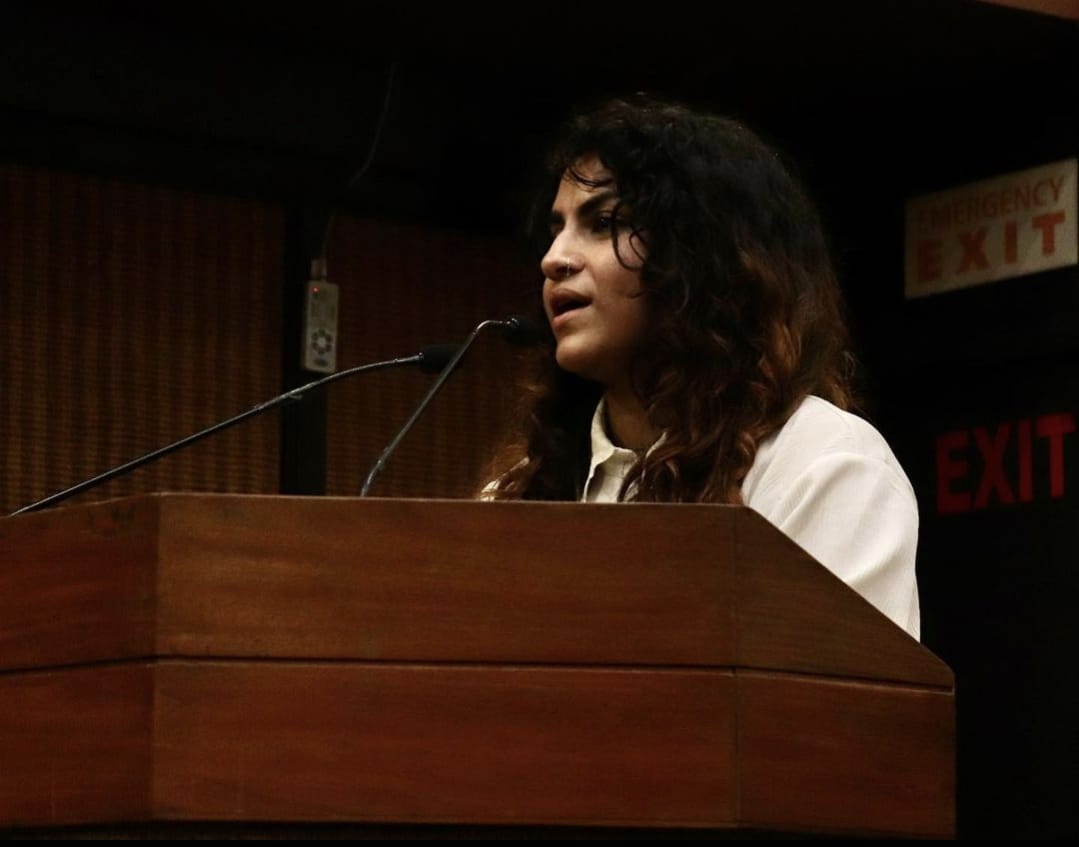
Mansi, who plays Lailaa, spoke to Gaysi about her working association with Kamya. “The story is very close to Kamya, and everything I did for prep was sourced around her, rather than the text/script being the primary material. For every word, and every line in the script, I would ask about the character’s intention and their context to understand what we were working with. There are certain things that exist as context outside the screen and script, to develop it and then create layers surrounding it.”
With its subtle depiction of internalized hetero-patriarchal traditions: from restricting women from visiting the shamshan-ghat to eventually letting go of their identity for the sake of fitting in. The story brings out a sense of empathy and a sense of relatability through the little things we do.
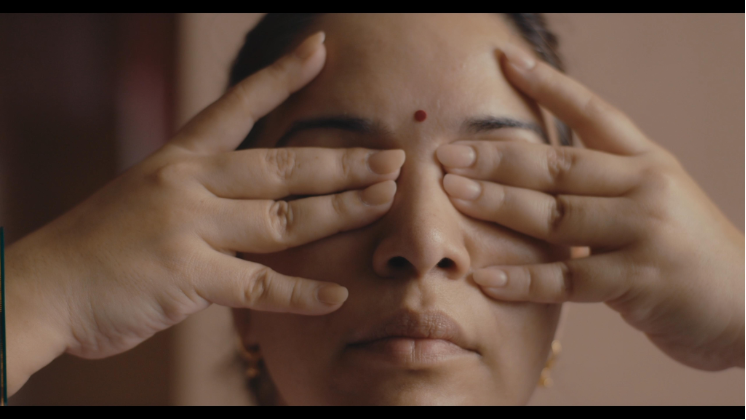
“We wanted to tell a multigenerational story about women [and queerness] in various spaces. Ajji and Devi’s story is a proto-queer relationship. If they probably had a chance to understand their friendship better, it’s possible that they would have had a queer relationship.[..] What might have been if Ajji had not been married off? Ajji’s dementia brings her back to this unexplored, unresolved territory.” says Kamya, when asked about the ailing grandmother’s character.
Also read: Movie Theatres: A Safe Space for Expression of Queer Identity in R. Raj Rao’s Novel Hostel Room 131
Whether it’s our hearts aching for all the long-lost loves, and Lailaa-Manjus or Lalit-Majnus (another adaptation?) who existed before us. Kamya’s depiction of homophobic parents was not just limited to their problems with homophobia, but also fleshing them out as real people who have reasons for behaving the way they do. Not in any way excusing the behavior, but rather adding layers to the dynamic.
The film depicts a form of vulnerability that does not shy away from being authentic. The passion for storytelling translates on screen such that the audience too understands the context that the characters come from. Who they were, how their relationship matured and what led to their current mind space.
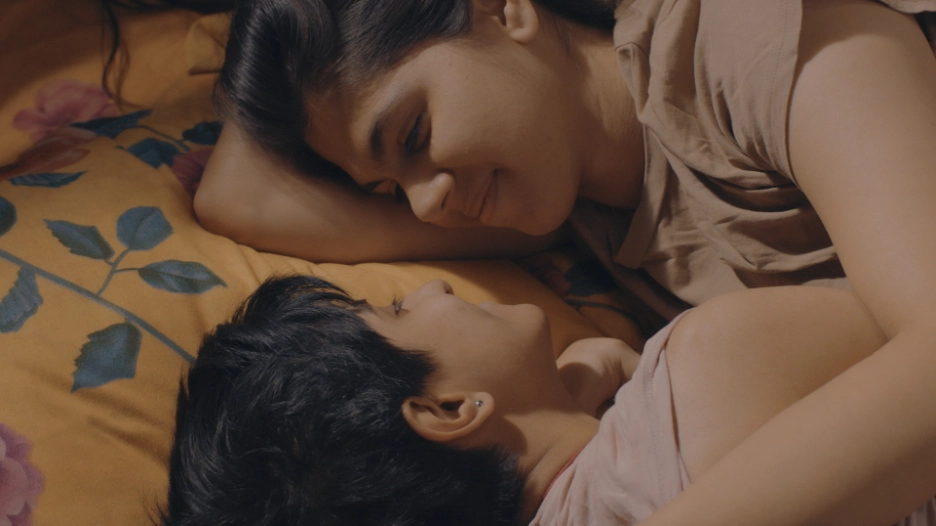
Mansi expands on how safe she and Tanvi, who plays our Manju, felt on the set. With behind-the-scenes being not just physically, but emotionally safe space. “With Lailaa Manju, the safety I felt around the set, the safety to be emotionally vulnerable, [was] a prerequisite for playing this character. [As an actor, I] expose [myself] to the vulnerabilities of the character and the world they come from. There was a kind of security in doing that, in the process of not just making the film but even [in terms of collaborative storytelling].”
“Lailaa Manju” is a triumph for indie cinema—a poignant and thought-provoking exploration of queer identity in contemporary India. With its compelling narrative, stellar performances, and exquisite cinematography, Kamya Nair has crafted a film that demands to be seen and celebrated. It is a testament to the power of storytelling to challenge perceptions, spark conversation, and inspire change.
Co-writer – Yashaswiny Dinkar
