


What is Drag?
Beyond the sequins and lip-syncs, drag is a battleground for visibility, identity, and power, whether in the clubs of Mumbai or the queer collectives of Delhi.
It is a subversive art form that challenges, entertains, and redefines what it means to be seen. Drag is an art form, a mode of self-expression, and a deeply political act. Historically, drag has served as both a form of resistance and a celebration of fluidity.
Now, however, it’s seen as a source of entertainment. It could very well be said that drag has now become a commercial enterprise. In the last few decades alone, it has transformed into a billion-dollar spectacle, proving that capitalism can repackage even the most radical forms of self-expression for mass consumption.
But, this change has brought about an important question: has drag lost its radical edge, or is it just turning into new forms of resistance within the structures of capitalism?
What Has Drag Exactly Been Through the Time?
If we were to look at history, drag has been rooted in philosophical inquiries about gender, performance, and identity.
In Classical Greece, Plato imagined humans as androgynous beings in the symposium. Ovid’s Metamorphoses also contains myths of gods and mortals who undergo gender transformations. This suggests an early exploration of gender.
In China, the Daoist philosopher Zhuangzi also suggested that identity, including gender, is fluid and ever-changing.
During the medieval era, binary was reinforced by religious doctrine. Figures like Thomas Aquinas advocated for strict laws for gender roles. Drag did find expression in theatrical performances, particularly in Shakespearean England, where young men played female roles on stage due to societal restrictions on women’s participation in theater.
In Eastern traditions, Buddhist philosopher Nāgārjuna’s concept of emptiness (śūnyatā) rejected fixed identities. Shankara’s Advaita Vedanta said that illusions contribute to a philosophical lineage that supports the performative nature of identity.
Here in the subcontinent, there has been a long and layered relationship with gender performance. Traditional art forms like Kathakali and Yakshagana have featured male performers playing female roles for centuries. The mythological epic, Mahabharata also mentions gender fluidity, when Arjuna lives as Brihannala, a female-presenting dance teacher, during his exile.
With these philosophical roots in place, drag re-emerged in modern history as a performative resistance to gender binaries.
Drag as a Countercultural Movement
In the 20th century, existentialists like Simone de Beauvoir laid the foundation for contemporary gender theory. In The Second Sex, she famously stated, “One is not born, but rather becomes, a woman.” Beauvoir argued that gender is constructed through socialization. This idea was later expanded by Judith Butler in Gender Trouble, where she introduced the idea of gender performativity.
In the 19th and early 20th centuries, laws against cross-dressing forced drag performers underground, where they developed covert communities centered around self-expression and defiance.
By the mid-20th century, drag became a central figure in LGBTQ+ resistance. The drag ball culture of Harlem in the 1920s and 1930s provided a safe space for Black and Latinx queer individuals, while drag queens played a pivotal role in the 1969 Stonewall Riots. Drag became more than performance… it became a protest.
Around the same time, philosophers such as Michel Foucault and Gayle Rubin explored the ways in which power structures enforce gender norms. Foucault’s work on sexuality and surveillance talked about how societal institutions regulate identity. Rubin’s analysis of the sex/gender system provides a framework for understanding how gender roles are culturally produced and policed.
Here at home, the presence of Hijra communities (now recognized as third gender) shaped South Asia’s understanding of gender as non-binary. While not drag, it still echoes fluidity and theatricality that drag embodies.
Drag’s Acceptance and the Rise of the Spectacle
As drag moved from underground ballrooms to mainstream visibility, it saw a huge transformation. This led to both progress and tension. Increased acceptance allowed drag artists greater opportunities and recognition, but it also brought commercialization.
The 1990s marked a turning point for drag in popular culture:
1. Madonna’s ‘Vogue’ music video, inspired by ballroom culture, brought underground drag aesthetics into the mainstream.
2. The documentary Paris Is Burning (1990) shed light on the struggles and artistry of Black and Latinx queer communities in New York’s drag ball scene.
3. The Adventures of Priscilla, Queen of the Desert (1994) and To Wong Foo, Thanks for Everything! Julie Newmar (1995) introduced drag queens in major motion pictures.
By the early 2000s, drag’s presence in mainstream media continued to expand:
1. Shows like Project Runway featuring drag-inspired challenges and reality TV showcasing drag queens in talent competitions.
2. Despite this, drag largely remained a niche subculture, with mainstream society still viewing it as an eccentric or comedic art form rather than an expression of identity.
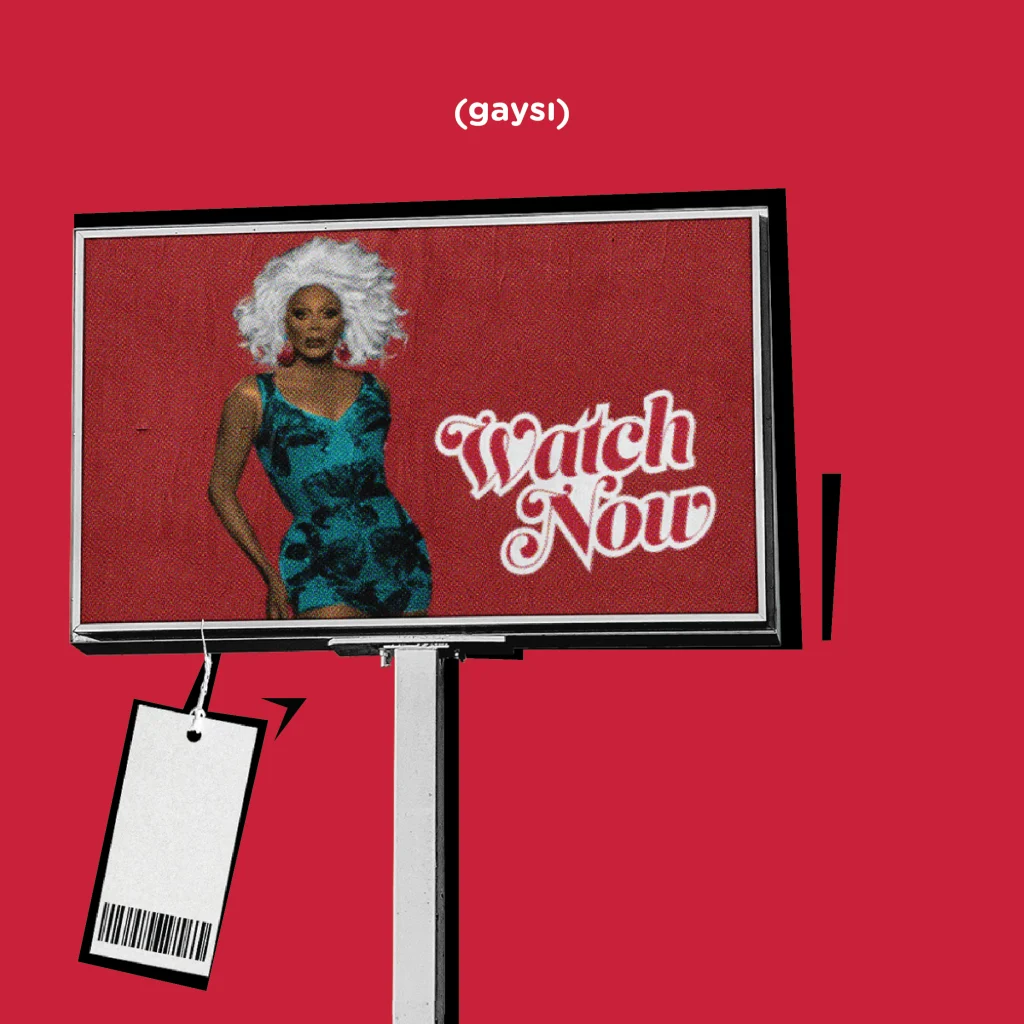
3. The launch of RuPaul’s Drag Race in 2009 marked the beginning of a new era for drag. It initially started as a low-budget reality competition but quickly became a cultural phenomenon.
4. Around this time in India, queer representation was limited due to laws like Section 377. As a result, drag in India remained mostly underground, thriving quietly within pride events, art festivals, and queer house parties. Bollywood occasionally flirted with gender-bending performances but usually for comic effect or caricature.
By the 2010s, drag queens became celebrities, securing sponsorships, launching makeup lines, and headlining international tours. Social media platforms like Instagram and TikTok allowed performers to get global followings and monetize their art. However, this resulted in the commercialization and commodification of drag. It prioritized polished, marketable queens who fit a certain aesthetic. People started looking for typically glamorous, thin, and conventionally attractive drag performers, probably at the cost of the radical, messy, and diverse roots of drag’s underground origins.
In India, a more visible drag scene emerged only in the late 2000s and early 2010s, mostly in urban queer movements. Sushant Divgikar, also known by their drag persona Rani KoHEnur, became one of the first Indian drag artists to gain national fame after having appeared on many reality shows. Their blend of classical Indian music, pop culture, and drag performance opened new doors for queer expression. More artists continued to push drag into the mainstream, appearing in brand campaigns, fashion editorials, and Pride parades.
Platforms like Dragvanti, India’s first drag-centric digital space, didn’t just document drag, they legitimised it. By archiving performances, spotlighting artists across regions, and creating vocabulary around Indian drag, they helped the art form move from underground rooms into India’s cultural mainstream.
At the same time, queer collectives like It Events and Haus of Rage began hosting regular drag performances and themed nights at some of the country’s most popular venues. From upscale bars to cultural hubs. Their events didn’t just entertain; they built a sustainable ecosystem. Young queer performers suddenly had stages, audiences, and most importantly, paid opportunities to pursue drag as a viable profession.
What makes this wave distinct is the balance — drag becoming mainstream without being diluted. These platforms and collectives kept the art rooted in queer history, politics, and self-expression, even as they brought it to wider audiences. By doing so, they created a system where authenticity thrives, visibility expands, and a whole new generation of queer artists can step into the spotlight not just to perform, but to shine, grow, and earn a living with dignity.
The Tension Between Rebellion and Commodification
As drag evolves from an underground subculture into a mainstream industry, it faces an inherent contradiction: Can an art form rooted in rebellion maintain its radical edge when it becomes a profitable commodity?
Drag was once a direct challenge to heteronormativity. It defied societal expectations of gender and performance. It was a space where individuals rejected traditional gender roles, critiquing dominant power structures. It created a world where self-expression was the most important thing.
However, as drag has become a global industry, it has been stripped of its subversive power. The mainstreaming of drag through platforms like RuPaul’s Drag Race, has created a specific standard of drag performance: polished, high-budget, and media-friendly.
The rise of corporate sponsorships, brand endorsements, and commercial tours has also blurred the line between artistic resistance and capitalist assimilation. That said, mainstream success has also brought unprecedented visibility to drag and LGBTQ+ communities.
Perhaps the true power of drag lies in its ability to exist in both spaces simultaneously. Perhaps it can disrupt norms even as it is embraced by the mainstream. Drag may wear new costumes now, but its core remains the same whether in Delhi or New York. It still asks us… who gets to be seen, and on whose terms?
