


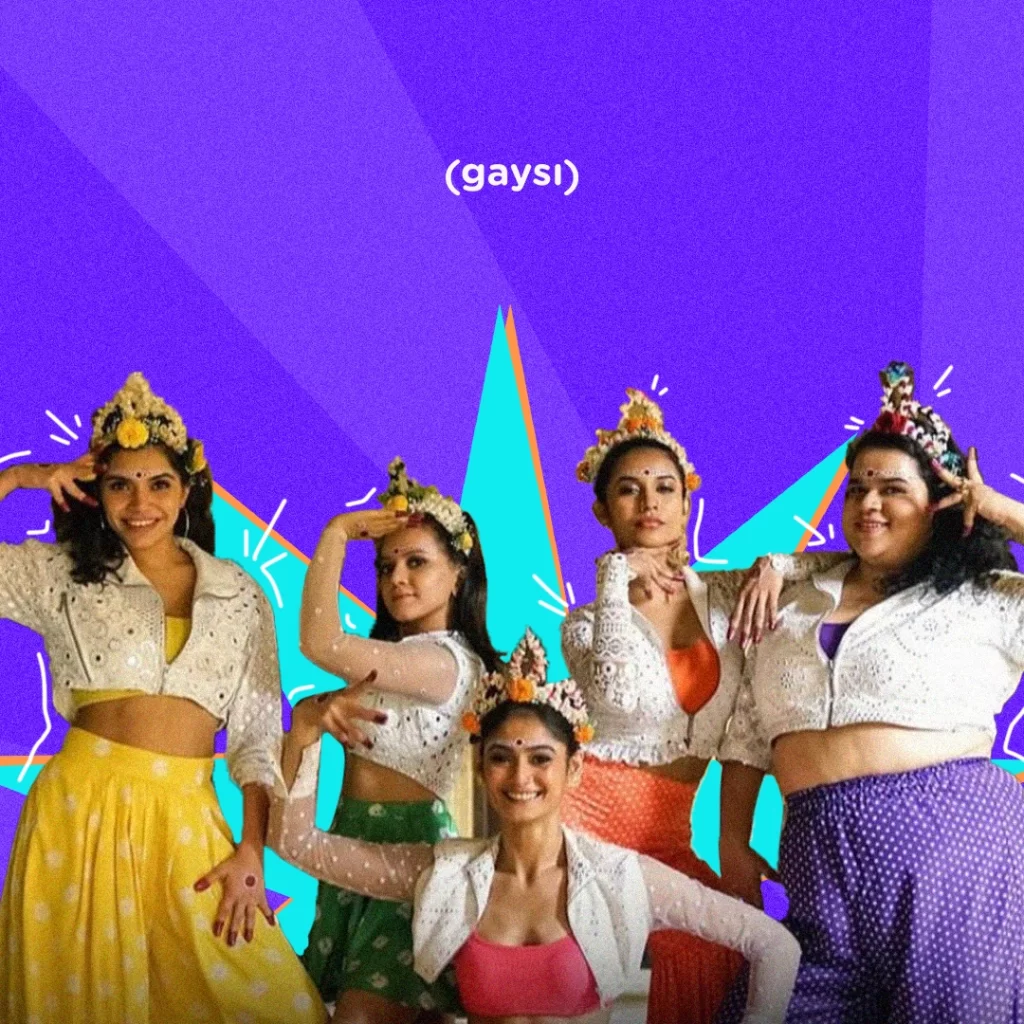
Teen media has been MIA for the past 5 years or so, at least I believe the early 2000s kids to be the last few who got to experience real TV shows and teen media. And I mean shows that were centred around original plotlines like Disney’s Ishaan, Kya Mast Hai Life and even Hungama TV’s Vicky and Betal. We got to look forward to and could relate to these fictional teens not because they were going around dealing with supernatural things or even balancing music careers with studies, but real teen problems. Things we could relate to, like friend group conflicts, adults not understanding us (cue emo music), having hobbies and academic pressure.
A Real Teen At Last
And just when I was sure that we’re through with shows about teenagers that real teenagers can relate to or look up to–I discovered Waack Girls. Its marketing, and promotional imagery on Prime Video made me think about amateur costuming, fashion real teens wear and the actual pressures of being a teen in the digital age. Not everything felt relatable, because I’m now in my mid-20s unsure of how teens now deal with technology.
A fresh and unexpected perspective of Gen Z’s resourcefulness, and at last an opposing view on the reality of many real gen Z young adults. Multiple individuals of this generation face economic crises and conflicting environments. And they’ve shown the struggles one faces on being thrust into the real world when adults around you are supposed to hold your hand and ease you into it–and what it feels to be left alone to “figure it out” and balance your ambitions at the same time. Ishani (played by Mekhola Bose) is one such character who is shown having real adult level responsibilities while still being a student. It doesn’t shy away from showing a mature side of the present generation, who don’t just go around speaking in cryptic meme lingo that makes them seem out of touch with reality.
Ishani masterfully portrays a nuanced and confident young woman, who I found my younger self in. While my parents were very much supportive and present during tough financial times and ill grandparent(s), dealing with these troubles when you’re under 20 is a trouble that can be hard to understand and share because you don’t know how to talk about these things yet. What Sooni Taraporevala gets right is the push anxiety gives you. You have no option but to stay afloat and there’s nothing else but survival and making something of yourself. It’s one of the few things you can control. And of course, Lopa, the other lead (played by Rytasha Rathore) queerness added to the survival instinct that made her extremely relatable as well.
Lackluster Is GOOD!
It’s an effortless attempt at showing diversity in teen groups without trying too hard to solve all of their problems like a woke checklist from twitter. The highlight for me, was that the costumes are lackluster, making them so much more believable as literal costumes only college students can crack. They make them look crafty, there’s very little perfection and loads of creative vision involved.
This is not director Sooni Taraporevala’s first dance adjacent show, the first one being Yeh Ballet (2020) which was released on Netflix. A lot of the reviews I read about the Waack Girls spoke of the show slowing down or losing its emotional momentum in the middle, but what stood out to me was that it was a realistic aspect of it. Life does unexpectedly slow down, things that consume most of our time probably don’t deserve that much attention but they end up getting most of the screentime.
The most remarkable thing about this show is that it doesn’t force diversity, it doesn’t promote it as that either. It takes pride in its diverse narratives and inclusive approach but doesn’t boast the attempt at diversity. Instead Taraporevala has invested in creating plausible timelines and emotions for each character. It’s very clear that the aim is to make sure waacking is the highlight of the show.
Queerified Moves
Waacking as a dance style has been around for the last 5-ish decades, developed on the western coast of America. Just as disco was beginning to get criminalised for being popular amongst queer POC folx, it was originally dubbed as punking (derogatory). Which was soon reclaimed and changed to waacking or whaacking. This was similar to the moves that were developing as voguing towards the end of the decade on the east coast, NYC.
Staying true to the resistance side of waacking, the show depicts it as a means for the girls to find themselves, a tool for its coming of age story. And the layers of platonic bond just feels very validating as a queer AFAB with a bunch of female friends. Fortunately it skips past the corny and outdated conversation about “I hope you’re not into me since you like girls” conversation. The show is co-written by Iyannah Bativala and Ronny Sen, fostering a majority of female writers in the room, fills my heart with nothing but joy. They pack in a good chunk of sub-plots that do not necessarily add to the central plotline directly, but ensure it’s enough for us to understand each character’s personality in a way that we know how each contributes to the group.
