


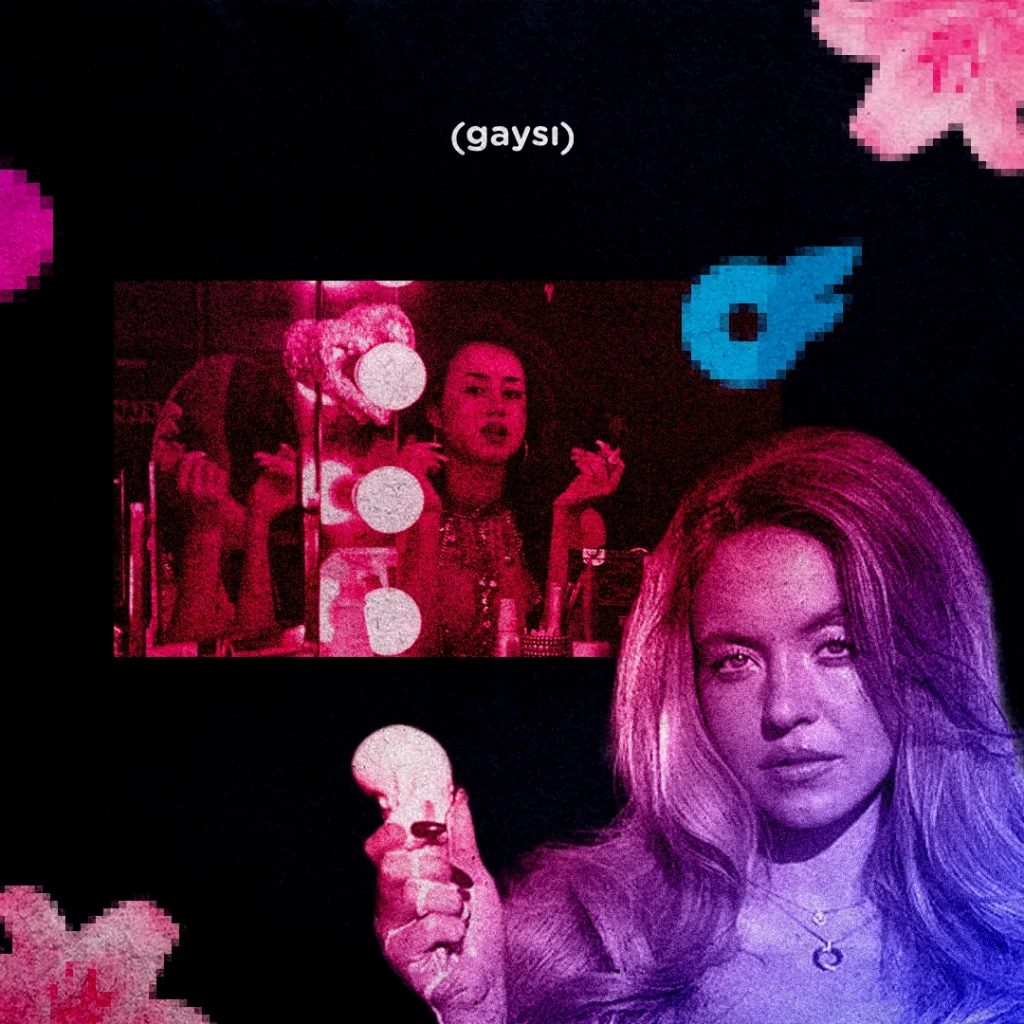
I used to love Euphoria in college: the quotes, edits, makeup, all of it. But somewhere along the way, I fell out of it. Season 3 made it click: not darker, just repetitive. Every storyline felt like the same message: if a girl is sexual, she must be spiralling. And the more I watched, the more it felt off, especially knowing real sex workers and OnlyFans creators already get reduced to that exact stereotype. Season 3 pushes it further, framing sex work as spectacle, not labour. In real life, sex workers have boundaries, strategy, and autonomy. Turning them into the “sad sexy girl” doesn’t just flatten the reality, it erases it.
This isn’t what Sex Work actually looks like
The problem isn’t just the drama, it’s the framing. In reality, sex workers aren’t living in constant emotional collapse. Many enter the profession for practical reasons: better pay, financial independence, or more control over their time and labour. A pan-India survey even found that many had prior jobs and chose this work for improved income.
But none of that makes it to the screen. Instead, what we get is a loop of sexualisation tied to shame and instability. That matters because, outside fiction, sex workers already navigate a world that sees them as immoral or socially inferior. In India, this stigma is deeply tied to gender, caste, and respectability politics, affecting not just workers, but their families too. Real sex workers and advocacy organisations have also called out the show for portraying the industry as “inaccurate and potentially harmful”. One sex worker quoted by Pedestrian TV said: “Sam Levinson has a tendency to use women’s plights as a cheap plot point without actually fleshing out any real analysis of how that affects them.”
Cassie’s OnlyFans arc isn’t Reality, and the Creators are calling it out
Cassie’s OnlyFans arc doesn’t just feel exaggerated; it feels weirdly humiliating in a way that’s hard to ignore. Instead of showing content creation as actual labour, the show leans into shock value: dog costumes, infantilised imagery, and performances that feel designed to go viral rather than feel real. Even Chloe Cherry (a former adult film actress), who plays Faye, has questioned the direction of Cassie’s storyline, pointing out how “OnlyFans and sex work have become more normalised. But it’s literally only because of capitalism and the economy getting worse.” (Also, who does it for $50,000 flowers?) OnlyFans creator Sophie Rain has also called out the series for portraying the arc unrealistically, referring to Cassie’s dog scene and how she or anyone else never does that.
When Euphoria frames digital sex work as embarrassing or desperate, it turns an entire profession into a punchline. Cassie might be written to fall apart, but the stigma that follows lands on people who don’t get to log off.
Jules is Exploring, Others are Surviving
Jules’ sugar baby storyline gestures towards something real, but ultimately flattens it. Because while Euphoria frames it as desire and experimentation, the reality for many queer and trans people is far more complex. Digital intimacy and transactional relationships don’t just come from curiosity. They’re often about survival in a world that limits safety, jobs, and acceptance. In India, especially, queer and trans sex workers deal with multiple layers of stigma at once: queerness, gender identity, and sex work all colliding. UC Berkeley professor Juana María Rodríguez even mentions that sex workers have always been part of queer communities. Personal accounts make it even clearer: one trans sex worker described how the job doesn’t involve just labour, it involves constant negotiations of safety, boundaries, and risk, including stalking and clients who blur personal and professional lines. That’s the reality Euphoria doesn’t show.
Read More: Sex Work And Stalking, My Experience
The Reality Behind The Neon
Euphoria makes strip clubs look like chaos dressed in neon: messy, dramatic, a little dangerous, in a way that feels aesthetic. But for queer sex workers and strippers, especially trans women, these spaces are far less cinematic and more complicated. Strip clubs aren’t neutral; they’re often structured around straight male desire, which means queer performers can face discrimination from management, fewer bookings, or even outright exclusion.
At the same time, queer sex workers have always been central to queer survival and culture, something activists keep reminding us with “no pride without sex workers”.
The reality is constant negotiation: reading clients, setting boundaries, managing risk, and dealing with homophobia or transphobia while trying to earn. None of that makes it to Euphoria. Instead, the work gets flattened into a spectacle, reinforcing the idea that it’s chaotic and degrading, when in reality it’s skilled and necessary for some.
