


American country music hasn’t always been conservative, but the global perception of it has long been that it is strictly white, male and heterosexual, mirroring the perception of the American South as largely far-right.
The truth is that country music has always been a melting pot of cultures, blending British Folk traditions with Gospel and Blues influences. More than anything, country music was originally associated with the left-leaning working class, and was critical of dominant power structures.
However, in the 1960s, following the anger from lower middle class white Southerners over the civil rights movement and the aftermath of the Vietnam war, country music quickly became a political tool for the conservative Right to co-opt and take over. Despite the continued influence of Native American and African music on the genre, the dominant voices in country music were white conservatives.
Pushing Back
This wasn’t to say that country music became 100% white and heterosexual. In fact, there were some groundbreaking changes taking place in country music during this era.
- In 1966, Charley Pride, often thought of as the first Black country music superstar, emerged on the country music scene with his hit single ‘Snake Crawl at Night.’
- Linda Martell became the first Black woman to perform at the Grand Ole Opry in 1969.
- Lavender Country made history when they released the first openly gay country album in 1973.
So then, did this mean that the audience for country music had diversified, becoming more sympathetic to non-white and non-conservative artists and music? Not quite.
Following Your Arrow
This push and pull between conservative and diverse voices continued well into the 2010s, but by then, the country music scene had more global eyes on it than ever before.
So in 2013, when Kacey Musgraves released her song ‘Follow Your Arrow’, advocating for personal freedom to do whatever you feel like—including kissing lots of boys, or lots of girls, if that’s something you’re into—the criticism of its queer-supportive lyrics from conservatives was mostly drowned out by support from progressive audiences, both within as well as outside the United States. In fact, it even went on to win Song Of The Year at the 2014 Country Music Association Awards, signalling a slow shift towards embracing narratives that had long been considered non-normative in the country music industry. But the battle was far from over.
While queerness in mainstream country music was seeing a positive shift, racial segregation on country music charts was still very much an issue. When Lil Nas X released ‘Old Town Road’ in 2018, it quickly went viral and became a worldwide sensation. But despite it being a fusion of country, rap and trap music, Billboard refused to recognise it as a country song and quietly removed it from their Hot Country Songs chart, which it would’ve topped if not for the disqualification. This decision received worldwide attention and backlash, with audiences pointing out that the song was disqualified not because it wasn’t country, but because its singer is black.
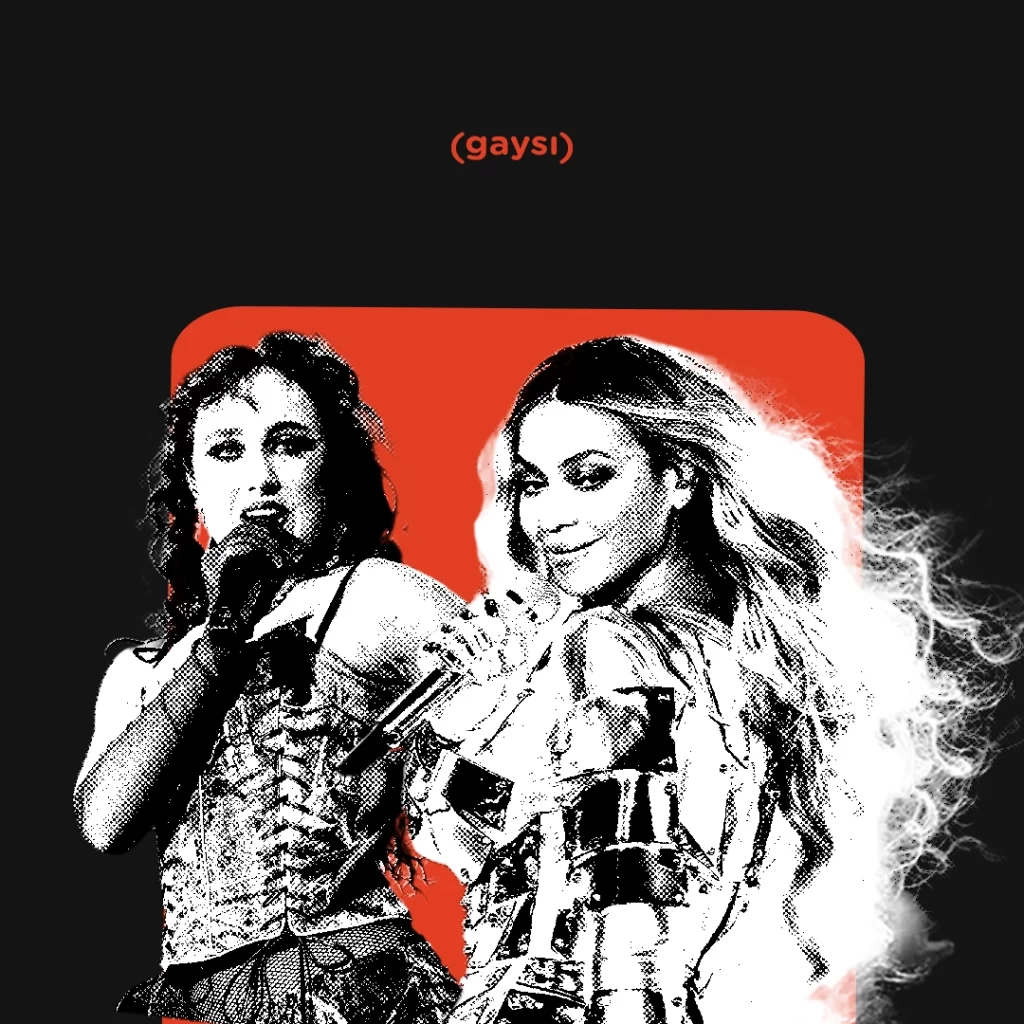
So, what’s the state of black and queer artists in country music today? Well, let’s just say that things are taking an interesting turn, with global sensations like Beyoncé and Chappell Roan entering the playing field.
Beyoncé
If you’re even slightly acquainted with Western pop culture, there’s a non-zero chance you’re aware of the impact Beyoncé has had on mainstream American music for the better part of her musical career.
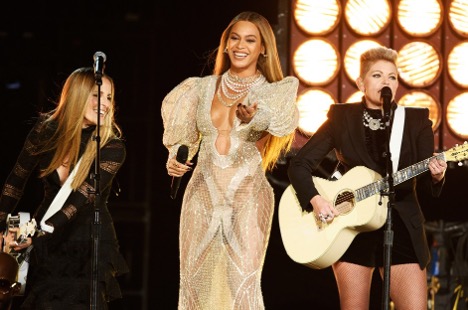
Miss Knowles-Carter’s first shot at making a full-fledged country song was with ‘Daddy Lessons’ on her 2016 album ‘Lemonade’. While the song as well as its performance with the Chicks at the 2016 CMA Awards were heavily praised—even giving the CMA Awards their highest viewership ever—conservative and racist country music fans were quick to express their disdain, claiming that Beyoncé did not belong in the genre, and the Country Music Association promptly deleted all promotional material about the performance. The song was also allegedly rejected by the Recording Academy for consideration for a Grammy Award in the country category.
Now look. Beyoncé doesn’t need any more Grammys to prove her worth. She’s doing just fine. But this move was a clear fuck you from organisations and voting committees that were continuing to pander to the loudest, most racist voices among country fans and critics.
So, what does Beyoncé do? She records a country album—no, wait… a BEYONCE album!
Cowboy Carter: Not Just Country
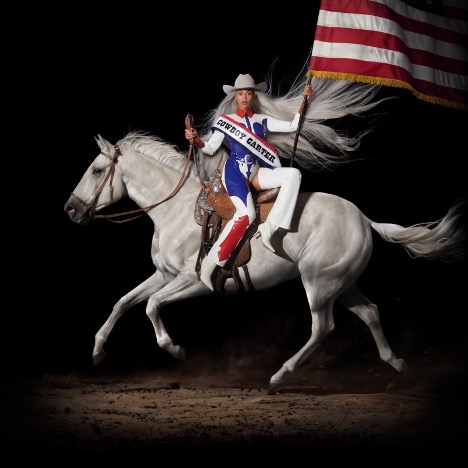
Beyoncé released ‘Cowboy Carter’ in 2024, but the project was over five years in the making, and was originally supposed to drop before the ‘Renaissance’ album (until the pandemic happened). As she describes in a lengthy Instagram post, the album was inspired by an incident years ago when she didn’t feel fully welcomed in the country music space, which led her to do a deeper dive into the origins of country music. “The criticisms I faced when I first entered this genre forced me to propel past the limitations that were put on me. act ii is a result of challenging myself, and taking my time to bend and blend genres together to create this body of work.”, she explains.
And Queen B is right. This isn’t just a country album—it’s a bit of everything. ‘Cowboy Carter’ blends together various genres and styles of music that Beyoncé grew up listening to, from folk, soul, R&B, zydeco, to funk, opera, rock and so much more. To me, this album is an amalgamation of different pieces of Beyoncé’s soul.
There are a number of collaborations on the album, but a personal favourite of mine is ‘II MOST WANTED’ with Miley Cyrus. Miley had already written the song before Beyoncé reached out to her for a collaboration, and the song went on to win a Grammy for Best Country Duo/Group Performance. And speaking of the Grammys…
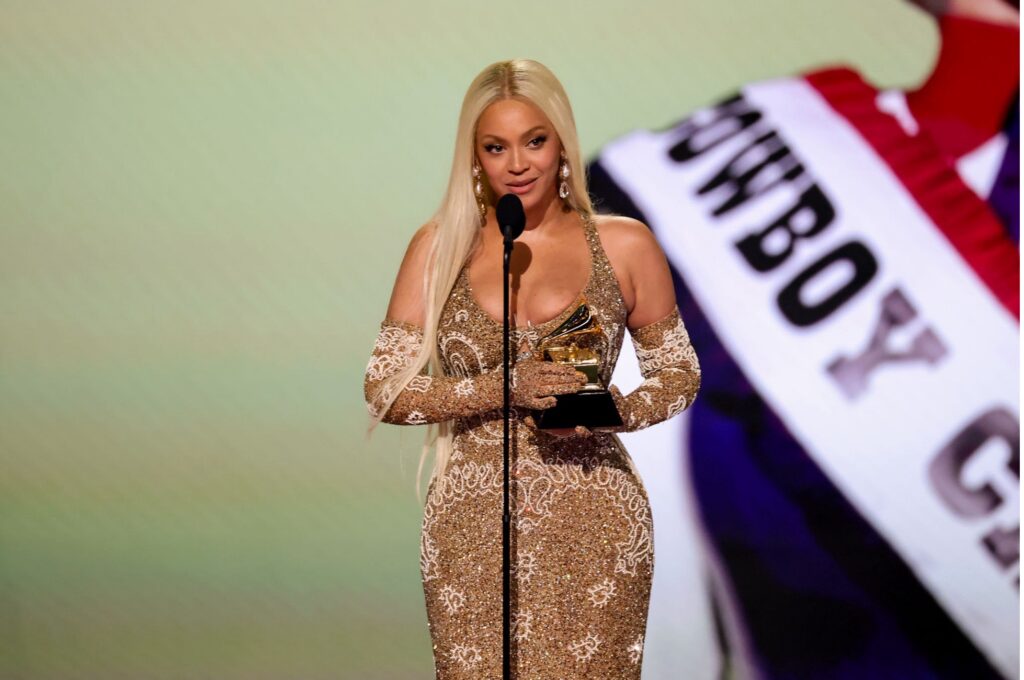
‘Cowboy Carter’ made big moves. The Recording Academy couldn’t ignore the impact it had on country music, and the album went on to win Best Country Album as well as Album Of The Year, the latter award being a first for Beyoncé after losing in that category four times over a period of 15 years.
Like I said before, Beyoncé doesn’t need any more awards to prove her worth, but both of these wins were significant for similar reasons. Beyoncé is the first black artist to receive the Best Country Album award since it was first introduced in 1965, and the first black woman to win Album Of The Year in the 21st century. And honestly, it’s ridiculous that it took this long.
Even though the Country Music Association continued their conservative streak by completely shutting out ‘Cowboy Carter’ from any nominations, it didn’t matter anymore. With ‘Cowboy Carter’, Beyoncé had made it slightly harder for conservative country music fans to gatekeep the genre from black artists.
Now, let’s talk about…
Chappell Roan, a Lesbian Midwest Princess
Chappell Roan is an out and proud lesbian popstar. This may seem like common knowledge if you’re a young queer person heavily into pop culture, but the bigger picture matters.
For some context, Chappell’s breakout album, ‘The Rise and Fall of a Midwest Princess’, was written over a few years. Alongside songs about sex and relationships with women, the album also includes a few songs that were originally written about relationships she had with men before realising she’s a lesbian. While the album is extremely queer as a whole, I’d argue that most songs on it weren’t explicitly lesbian in the same way her more recent music has been: ‘Good Luck, Babe’ and ‘The Giver’.
‘Good Luck, Babe’ speaks to a past partner that continues to kiss boys, and only has sexual relationships with women (including Chappell) behind closed doors— it’s about them denying their lesbianism. ‘The Giver’ is even more explicitly lesbian—Chappell believes that she as a woman can pleasure another woman better than any country boy could.
‘The Giver’ is meant to be as cheeky and playful as it sounds, and Chappell herself has spoken about the conception of the song in a lighthearted way. The song isn’t meant to be revolutionary, or meant to bait country music fans into listening to her music—she just finds the idea of a lesbian country song really funny. Chappell says that she wrote ‘The Giver’ to capture the essence of what country music is for her—the nostalgia, the fiddle and banjo. The song makes her feel a certain type of freedom that pop music doesn’t let her feel.
Chappell didn’t name herself a Midwest Princess for no reason—she has spoken about growing up in Missouri, listening to country music every morning and afternoon on the school bus and at bon fires, grocery stores and karaoke bars.
And while she may have not intended for this song to do anything revolutionary, that doesn’t make it any less iconic.
Chappell Ain’t No Country Boy Quitter
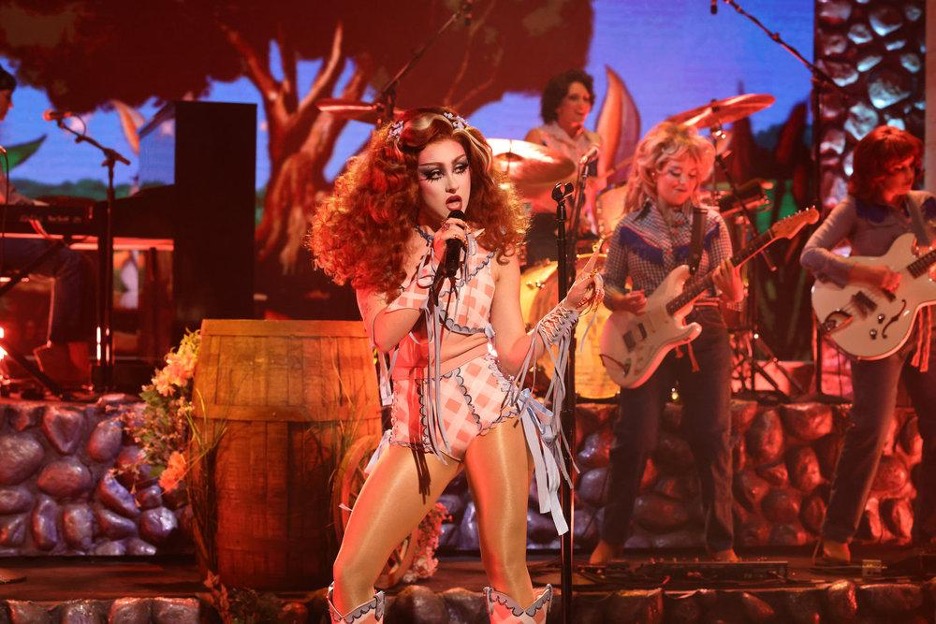
Chappell first introduced ‘The Giver’ when she performed it for the first time on Saturday Night Live back in November 2024. The performance included her usual drag makeup, with a country-glam aesthetic, backed by an all-woman band, including a fiddle, banjo, and other instruments.
Closer to its official release, the promotional material for the single included different vinyl covers and billboards with Chappell dressed as a lawyer, a construction worker, a detective, a plumber and a nurse.
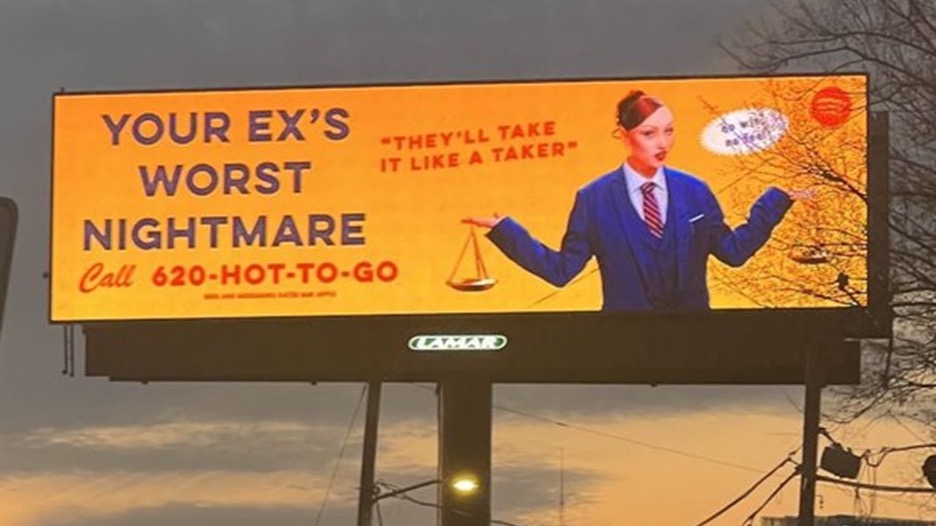
The song’s lyrics revolve around one central idea: Chappell as a lesbian woman can sexually pleasure a woman better than any man could. As she says, she isn’t a “country boy quitter”; she “gets the job done”. Chappell tells the listener that being a “giver” is in her nature, so the listener should “take it like a taker”. These lyrics poke fun at the orgasm gap between straight men and women. Referring to how tops “give” pleasure and bottoms “take” it, Chappell’s basically saying: I’m a top who knows how to pleasure women, you’re a bottom who needs saving from mediocre straight sex, and I’m gonna get you wetter than any straight man ever has.
The SNL performance of ‘The Giver’ included a spoken word section during the instrumental bridge that isn’t included in the studio version of the song, which really drives this point home:
All you country boys think you know how to treat a woman right. Well, only a woman knows how to treat a woman right.
Like I’ve mentioned already, country music has been queer, and country music has always had black artists. But how much of this music and how many of these artists were suppressed before reaching the mainstream? How much of this music was ignored by the more conservative fans and critics within the country music scene? How much of it was completely kept off country radio, and country music charts?
Even with the queer country music that broke through these barriers, how much of it was this explicit about queerness, and more specifically, lesbianism?
Conclusion
As established earlier, this article isn’t just about black and queer representation in country music—because there’s plenty of it. But artists that are black or queer, or explicitly make music about being black or queer, have to break through several barriers before reaching an audience that’s not just receptive but also appreciative.
Beyoncé and Chappell Roan broke through these barriers because they were never bound by the walls of the country music industry in the first place—they already had mainstream success and millions of eyes on them before even attempting to make country music.
Beyoncé had a harder time gaining acceptance within country circles as a black woman, but ultimately it didn’t matter if the conservative side of the industry didn’t accept her, because millions of other listeners and critics had taken note of the genre-bending nature of her art and celebrated it.
And while ‘The Giver’ was never about lesbian representation, it still challenged conservative and heterosexual narratives within country music—and I’m sure Chappell finds it extremely funny that a song about lesbian sex debuted at No. 1 on Billboard’s Hot Country Songs chart.
