


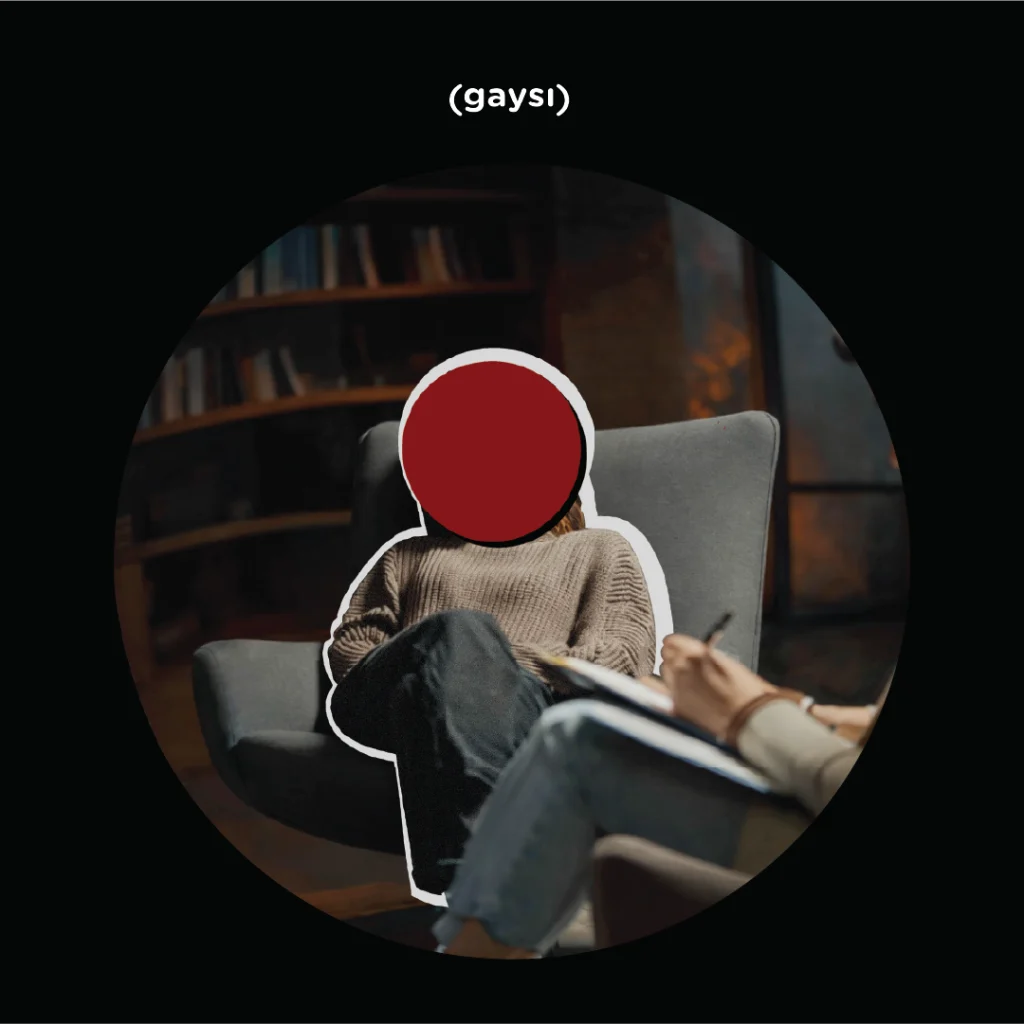
In a quiet counseling room in Bengaluru, a young man lowers his voice as he talks about living two lives – one for his family and one for himself. Across from him, his counselor listens patiently, understanding that silence can be both a wound and a defense for many queer people. Inside that room, truth is allowed to breathe, if only for an hour.
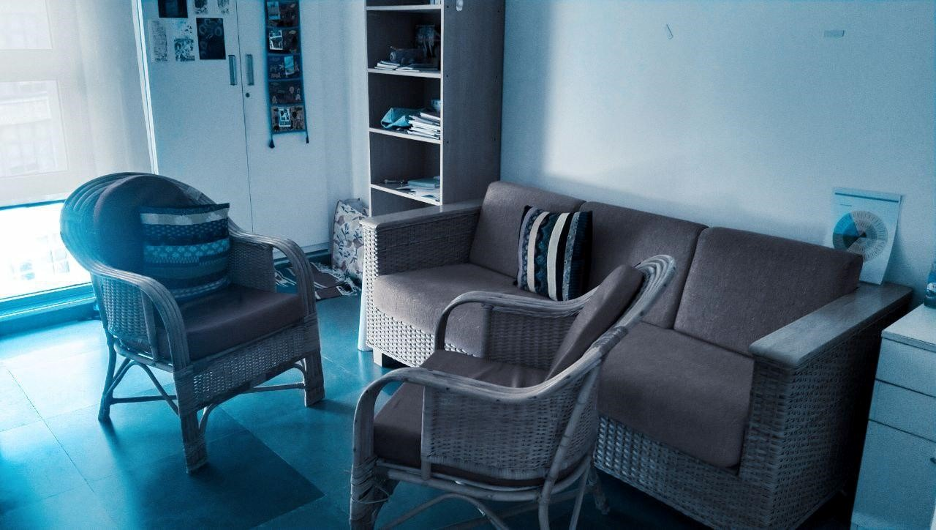
The Hidden Weight of Everyday Life
Bengaluru is often described as modern, liberal, and inclusive — a city that celebrates freedom and diversity. Nevertheless, there are still people who live with secrets too heavy to mention behind the city’s rainbow-lit cafes and corporate diversity posters.
“I often meet clients who act straight around their families and constantly monitor how they speak or dress,” says Veda Dandamudi, a queer-affirmative counselor who has worked with young adults and queer individuals for several years. “They are not ashamed of who they are; they are terrified of losing love and belonging.”
This is a common fear. Due to stigma and invisibility, LGBTQIA+ youth across the region have higher rates of depression and social disengagement, according to a 2022 UNESCO South Asia report. The counselor says it is not just social pressure – it is emotional conditioning that begins in childhood. “People grow up hearing that being queer is wrong or abnormal. By the time they accept themselves, they have learned to hide.”
“Why Aren’t You Married Yet?”
For one of my respondents, a 29-year-old corporate professional, that question arises in almost every family gathering. “They ask it casually, but for me it is painful,” he says. “I laugh and change the topic, but later I feel like I’m betraying myself.”
The counselor refers to this as the “performance of normalcy.” “Many clients spend their lives acting,” she explained. “They adjust their body language, avoid certain words, and even change their voice tone. It is constant emotional labor.”
52% of LGBTQIA+ Indians have not told their families about their sexual identity because they are afraid of being rejected, according to a 2021 survey conducted by The Humsafar Trust. For the majority, the danger of being exposed surpasses the comfort of being truthful.“Even educated families link queerness with failure,” the counselor adds. “They think it is a phase, or worse, a disease.”

The Loneliness of Hiding
In my conversations, loneliness emerged as a quiet but constant companion. One respondent informed me that only his queer friends make him feel fully seen. “When I’m with them,” he says, “I can talk normally, laugh freely. Outside that, I become someone else.”
Queer life is shaped by invisibility, even in urban India. According to the National Institute of Mental Health and Neurosciences (NIMHANS) study, the fear of discrimination and exposure causes nearly twice as many cases of depression in LGBTQIA+ individuals as in the general population.
“Keeping my identity hidden is like living with a weight on my chest. I breathe, but never fully.” Says a master’s student from Bengaluru. According to the counselor, loneliness turns into a coping strategy.“ You isolate yourself so that no one can hurt you. But that safety comes at the cost of connection. You start to believe that solitude is your only home.”
Home Isn’t Always Safe
For many people, home is considered a safe space. It may feel like a stage to queer people. “One respondent told me he rehearses how to talk at home so his parents don’t suspect anything,”. “He avoids eye contact, avoids topics about marriage, and never uses words like ‘partner.’ It’s exhausting.”
Another respondent, who works in Bengaluru as an HR professional, said he pretends to have a girlfriend just to stop the questions. “I show her pictures from the internet,” he admits. “It is easier than explaining something they will never accept.”
The counselor calls this “the second burden”– the constant alertness that comes with managing every gesture and sentence.“You are not only hiding your identity, you are censoring your emotions,” she says. “That takes a heavy toll on their self-esteem.”
India has seen important legal progress. In 2018, the Supreme Court’s Navtej Singh Johar vs. Union of India ruling decriminalized same-sex relationships, calling it “a step toward equality and dignity.” Yet, as the counselor points out, “laws can change behavior, but they can’t change belief.”
One respondent, a student in Bengaluru, emphasizes education as the foundation for acceptance. “If schools taught about gender and sexuality early on, we wouldn’t grow up fearing difference,” she says. “Diversity shouldn’t be an adult revelation.”
Public health experts echo this. The World Health Organization (WHO) notes that stigma and exclusion remain major barriers to mental-health access for the LGBTQIA+ population worldwide. The counselor believes India needs more inclusive mental-health training.“Counselors themselves must be sensitized. If therapy is judgmental, it can do more harm than good.”
Every respondent I interacted with expressed the same longing- not necessarily to “come out,” but simply to live without fear. “I don’t want to be brave,” one of them said quietly. “I just want to be normal.”
The counselor pauses when I repeat that line. “That sentence captures everything,” Veda says. “For many queer people, freedom isn’t about being loud or visible. It’s about being able to exist without hiding.”
Their stories serve as a reminder that, in a city that takes pride in its advancement, true modernity is about empathy and acknowledging the silent bravery of those who still have to speak their truth.
To preserve respondents’ privacy, their personal information has been kept private, and all photographs were taken with consent.

I despise certain CIS straight males and females. They believe they are entitled to say whatever they want and walk away not giving a shit about what they’ve done. Hey CIS straight women, just because you have big tits and eyelashes means nothing. As for CIS straight males, your status symbols mean as much as your CIS wife’s big heteroBOREative fatty lumps of tissue.