


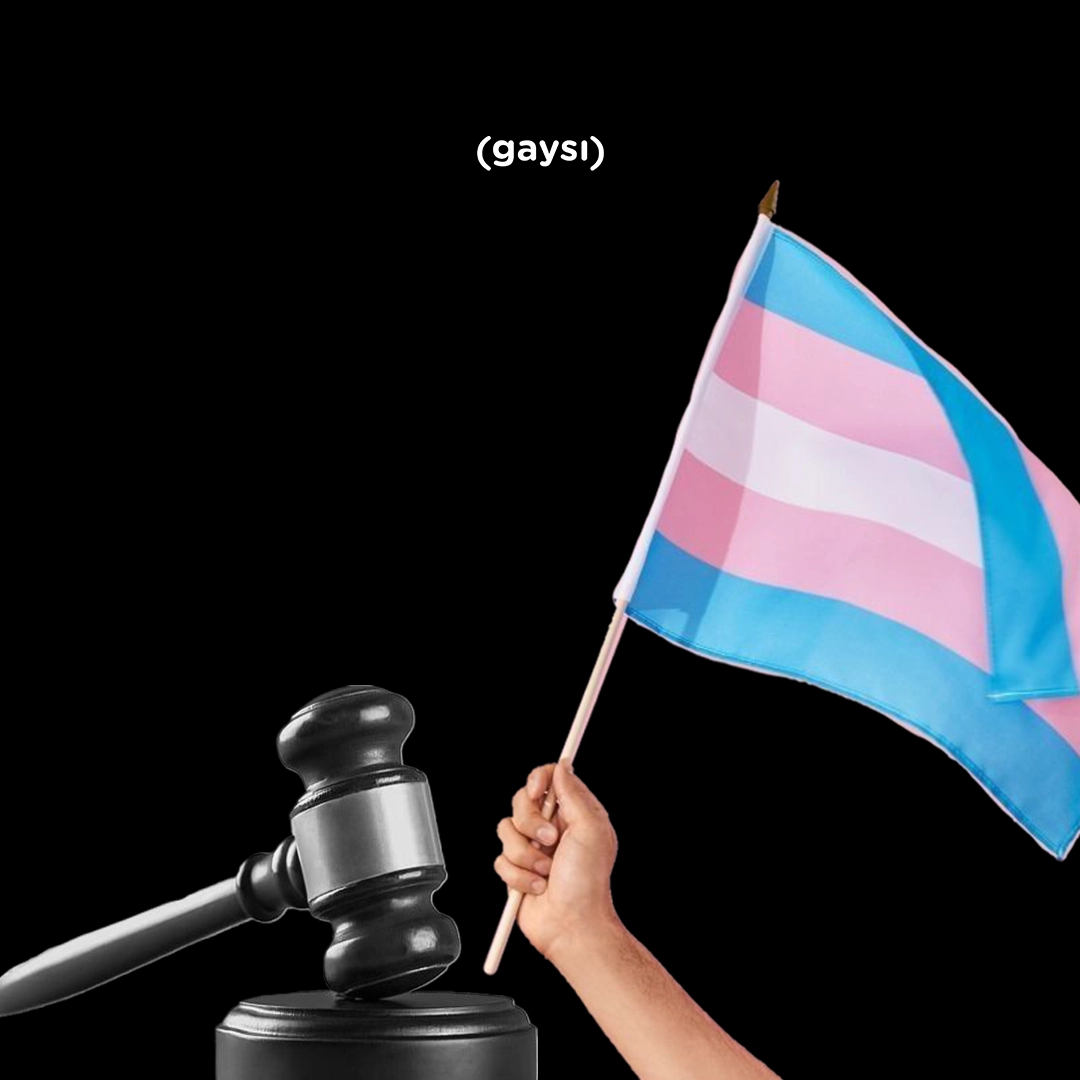
Days before the Lok Sabha passed this Bill, on March 20, 2026, a Supreme Court–constituted committee led by Justice Asha Menon met and resolved to urge the government to withdraw it, warning that denying self-identification violates the NALSA judgment and raises serious concerns around privacy and exclusion. The advisory has now come to light. Which makes it urgent to ask: how did we get here?
When the Transgender Persons (Protection of Rights) Amendment Bill, 2026 passed in the Lok Sabha on March 24, it didn’t just roll back gender rights, but built on the gaps of the Transgender Persons (Protection of Rights) Act, 2019. That law was never fully protective to begin with. It criminalised violence against transgender persons, but with weaker penalties than those applied in cases involving cisgender people, signalling that harm against trans lives is somehow less serious. It also failed to recognise where much of this violence actually occurs: within families, where many trans people face rejection, abuse, or are forced to leave. The chosen kinship systems that have historically offered safety, like gharanas and guru-chela networks, were ignored, replaced instead by a vague reliance on state-run rehabilitation.
Now, instead of fixing these structural gaps, the amendment tightens a framework that was already restrictive. The Transgender Persons (Protection of Rights) Act, 2019 claimed to recognise self-identification, but in practice made it conditional, requiring certification from a District Magistrate, with little transparency or recourse if denied, and linking legal gender change to medical validation in certain cases. Even then, autonomy was never fully in the hands of transgender persons.
The new amendment pushes this further. What was earlier an implicit screening process is now being made more explicit, layered, and central to recognition itself. Passed after a divided debate and an Opposition walkout, the Transgender Persons (Protection of Rights) Amendment Bill, 2026 normalises and expands control over a person’s gender identity.
The shift from partial autonomy to deeper surveillance is palpable, and what was already unequal is now being formalised. Even before it was tabled, the bill had already sparked protests, with activists pointing to what it removes as much as what it adds, diluting self-identification while expanding medical and administrative scrutiny.
Also read: What it means to be a Minority: CAA-NRC from the Lens of an LGBTQ Person
But the amendment doesn’t just change how identity is recognised. It also reshapes what gets criminalised under the Transgender Persons (Protection of Rights) Act, 2019. It introduces offences around “inducing” someone to dress or present as transgender, or forcing a transgender identity. Framed as protection, it instead reveals a fundamental disconnect from how gender identity actually takes shape.
In India, trans identities are often discovered through community, language, friendship, and small, affirming moments where someone realises they are not alone. This law collapses that process into suspicion. Support begins to look like coercion, and care itself starts to be perceived like it could be a crime. The language is broad enough that allies, friends, even chosen family could be implicated. With children, it goes further by removing the question of consent altogether. A young person exploring who they are, and anyone supporting them, could be at risk.
Meanwhile, serious harms like forced medical procedures are already punishable under the Bharatiya Nyaya Sanhita, 2023. Bringing them into this law doesn’t just strengthen protection, but reframes transgender identity itself as something that can be imposed, manufactured, or controlled, which can carry serious consequences for those who identify as allies, let alone as transgender persons.
Also read: Being Queer in India Just Got Tougher
What the amendment makes worse
The shift is that now there is a law that is structurally anti-trans, that builds directly on the ideological weaknesses of the Transgender Persons (Protection of Rights) Act, 2019.
First, the definition itself becomes narrower. The 2019 Act, despite its flaws, left room for self-identification across a spectrum of identities. The amendment replaces this with a more technical, biologically-anchored definition, that risks excluding many who would have previously been recognised.
Second, the gap between identity and access widens. What was already a certification-based process under the Transgender Persons (Protection of Rights) Act, 2019 becomes more restrictive in practice.
The amendment adds layers of verification, making identity something that must be approved rather than asserted. Each step becomes a potential point of delay or denial, dependent on documentation, discretion, and unclear criteria. For many, especially those without stable support or access to healthcare, this pushes recognition further out of reach.
Third, the focus of the law shifts. Instead of expanding protections against everyday discrimination, such as employment, housing, healthcare, the amendment turns inward, toward regulating identity and expression itself!
Also read: How to be a Transgender Ally
Fourth, it introduces new offences in ways that blur the line between harm and support, creating ambiguity around community, care, and allyship.
And finally, it raises the stakes of exclusion. When recognition itself becomes harder to access, and everything tied to it, such as documentation, jobs, healthcare, safety, is now more difficult to come by in an affirming way.
Taken together, the amendment doesn’t correct the 2019 Act, but deepens its most contested features, while narrowing who the law is willing to see.
Voices Against the Bill
MPs across opposition parties strongly criticised the bill, raising concerns about rights, privacy, and exclusion.
S. Jothimani, MP from Indian National Congress party, said the bill was introduced without proper consultation with transgender persons and undermines dignity. She argued that identity cannot be reduced to paperwork and warned that bureaucracy could turn rights into permissions. And that makes us think too: if the government hasn’t even fully delivered welfare, why is it suddenly so invested in controlling identity?
Also read: India’s New Transgender Bill and the Global Rise of Anti-Authoritarianism
Anand Bhadauria, an MP from the Samajwadi party, highlighted the historical marginalisation of transgender persons and warned that vague criminal provisions could be misused. He said such clauses risk “criminalising the entire community, along with families and support systems”.
He also shared his concern about how recognition once given can now be taken away and the impact on individuals who had already obtained legal identity under the 2019 Act, stating that the proposed amendments could create legal and social uncertainty and even risk reversing their recognised identity. He warned that this could affect their jobs, documentation, and access to basic services.
Dr T. Sumathy, an MP from DMK, argued that the amendment gives the state power over a person’s identity. She said, “This is not a technical correction, but a constitutional regression,” and opposed the idea that dignity depends on certification. She keeps returning to the absurdity of it… no cis person is ever asked to prove who they are, so why this scrutiny here? She also strongly criticized the lack of consultation. Her speech warned against a creeping normalisation of state control over personal existence.
June Maliah, from the All India Trinamool Congress, said the bill dismantles earlier protections and narrows recognition. She argued that the changes restrict rather than expand rights and pointed out the contradiction about how a community already excluded from education, jobs, housing is now being further narrowed in definition instead of being supported. She emphasized that the bill narrows the definition of transgender persons and conflates intersex and transgender identities, warning that “we are not just amending a law, but erasing people from it.”
Also read: Of Ropes and Borders: Being Queer in the Anti-NRC, Anti-CAA, Anti-NPR Protests
Supriya Sule of the Nationalist Congress Party, questioned the need for administrative oversight in personal decisions. She criticised provisions requiring reporting of medical procedures, asking, “why should a magistrate or a collector need to know?” Also, she asks, there’s no urgency, so why now? Her discomfort is real: why should the state be involved in something as personal as medical decisions or identity?
Arvind Ganpat Sawant, belonging to Shiv Sena (Uddhav Balasaheb Thackeray), leaned heavily on the Constitution and existing law and asked, ‘What problem are we even solving?’ He raised concerns about urgency and necessity. He questioned the timing of the bill, asking, “What is the necessity or urgency” to pass it now, and warned it could undermine constitutional rights.
Gowaal Kagada Padavi of the Indian National Congress, widened the lens by bringing in mythology, culture, and constitutional law to say this: gender diversity has always existed, and the Constitution already protects it. He argued that the bill reverses constitutional guarantees. He said it transforms fundamental rights into “an administrative privilege” through verification processes.
Abhay Kumar Sinha of Rashtriya Janata Dal, described the bill as an “attack on constitutional values” and said it could further marginalise an already vulnerable community. His focus is less on identity theory and more on how this creates a new layer of bureaucracy that could be misused, how it ignores real issues like jobs and welfare, and how it risks pushing an already excluded community even further out.
Shyamkumar Daulat Barve, an MP from Indian National Congress, said the amendments restrict freedoms instead of promoting equality. He argued they “impose restrictions on the freedom of transgender persons”. He points out that by narrowing definitions and excluding self-perceived identity, the bill doesn’t expand rights; it redraws their boundaries. He showed the difference between what the bill claims to do and what it actually changes.
Balwant Wankhade, also an MP from the Indian National Congress, echoed these concerns, stating the bill places “controls on their autonomy rather than addressing their needs”. His concern is that the law is looking in the wrong direction: inward, toward regulation, instead of outward, toward inclusion.
Indian National Congress’ K. Sudha R’s argument cuts through with a kind of disbelief: how can something so internal be evaluated externally? She exposed the gap between lived experience and institutional thinking. She questioned, “Which medical degree teaches these doctors to identify feelings?” She questions the practicality too: overburdened systems, delays, barriers.
Across these interventions, MPs repeatedly referred to the Supreme Court’s ruling in NALSA v. Union of India, which recognised self-identification as a fundamental right. Many argued the amendment departs from this principle and risks rolling back existing protections.
Voices in Support of the Bill
MPs supporting the bill argued that it brings structure, accountability, and stronger safeguards.
Dr. Byreddy Shabari from Telugu Desam Party approached the bill with a sense of reassurance, presenting it in a maneer that seemed like the opposition had misunderstood it. She described it as “a historic bill that gives identity and justice”. She supported the need for a formal identification system and raised concerns about misuse of benefits. For her, structure equals legitimacy. Identification systems, medical boards are not barriers but ways to formalise recognition. She also introduces a concern that others don’t: misuse by people falsely claiming identity. But is it? What benefits have transgender persons secured by the government that would entice a cisgender person?
Pratap Chandra Sarang of the Bharatiya Janata Party,i framed the bill as scientific and necessary. Identity, in his view, is not a matter of personal declaration but something that should be verified objectively. He called it “a revolutionary amendment” based on a “very scientific approach”. He argued that medical verification is necessary to ensure fairness and prevent misuse. His support rests heavily on the idea that without scrutiny, systems can be exploited.
Alok Kumar Suman from Janata Dal (United) said a structured certification system would improve transparency and ensure benefits reach genuine beneficiaries. He questioned why verification should be treated differently from other categories that require certification. Many groups require certification for benefits, so why not here? He claimed that it was more procedural, focusing on delivery gaps and the need for structured systems so as to ensure benefits reach the right people. He treats identity as a governance category over a lived experience.
Naresh Ganpat Mhaske from Shiv Sena said the amendments strengthen protections and improve access to welfare. He described the bill as a step toward providing “a secure and dignified identity” to transgender persons. For him, the bill strengthens what already exists, filling gaps in the system and making protections more enforceable.
Closing the debate, Dr. Virendra Kumar, the Minister of the bill and MP belonging to the Bharatiya Janata Party, framed it as refinement, not restriction. The intent, he says, is to focus on those facing the most severe exclusion and ensure they receive protection. There’s a consistent emphasis on inclusion, dignity, and welfare, but always tied to identifying the “right” beneficiaries.
But that raises a deeper question. If the intent is to prioritise those most marginalised, why has there been no movement on long-standing demands like horizontal reservation for transgender persons, especially those from Dalit, Bahujan, and Adivasi communities?
Also read: Why are DBA Transgender Folx Demanding Horizontal Reservation: All You Need to Know
Because exclusion within the transgender community is not uniform. A Dalit trans woman, for instance, navigates both caste and gender-based marginalisation. Horizontal reservation, already used for groups like women and persons with disabilities, exists precisely to account for such overlapping inequalities, ensuring representation across caste categories rather than flattening them into one.
Without that lens, “targeting the most excluded” risks remaining rhetorical. It identifies vulnerability, but stops short of redistributing access in ways that actually reach those living at its sharpest edges.
Here are 3 flawed assumptions driving support for the bill
“Misuse” is the biggest risk
The debate focuses on “misuse”. But it ignores a bigger, more real risk: exclusion. Because when a trans person is denied recognition, they lose access to identity, work, healthcare, and dignity. The risks aren’t equal. Supporters also assume people will fake being trans for benefits. But what benefits are so easy, so rewarding, that someone would choose stigma, violence, and exclusion?
Identity works like a welfare category
“Other groups need certification, so why not here?” Because identity isn’t something you qualify for, but who you are, whether the system recognizes it or not. And is there a test for identity? What exactly is being verified? Who decides who is “trans enough”? Medical boards? Administrative approvals? They’re treated as objective. But systems reflect society, which inherently carries biases and generational, internalized trauma. So what happens when bias becomes a gatekeeper for access to affirmative action and rights?
Rights are treated as something to be granted, not recognised
The framework assumes identity is something the State can approve, not recognise. But trans people are already navigating daily scrutiny, rejection, and barriers. This adds another layer, forcing people to prove who they are, often by revisiting deeply personal and painful experiences.
That process isn’t neutral, but exhausting and retraumatising. What gets called “verification” ends up pushing the most vulnerable further out.
What Lies Ahead
With the bill now moving to the Rajya Sabha, it is expected to face further debate. Several MPs have called for the bill to be referred to a parliamentary committee for wider consultation, particularly with the transgender community.
The discussion so far has highlighted a fundamental divide over whether identity should remain a matter of self-declaration or be subject to state verification, a question that is likely to shape the debate as the bill comes up in the upper house.
Source material for this article was compiled by Hyderabad Against Trans Erasure. Special thanks to Picnic (any pronouns).
