


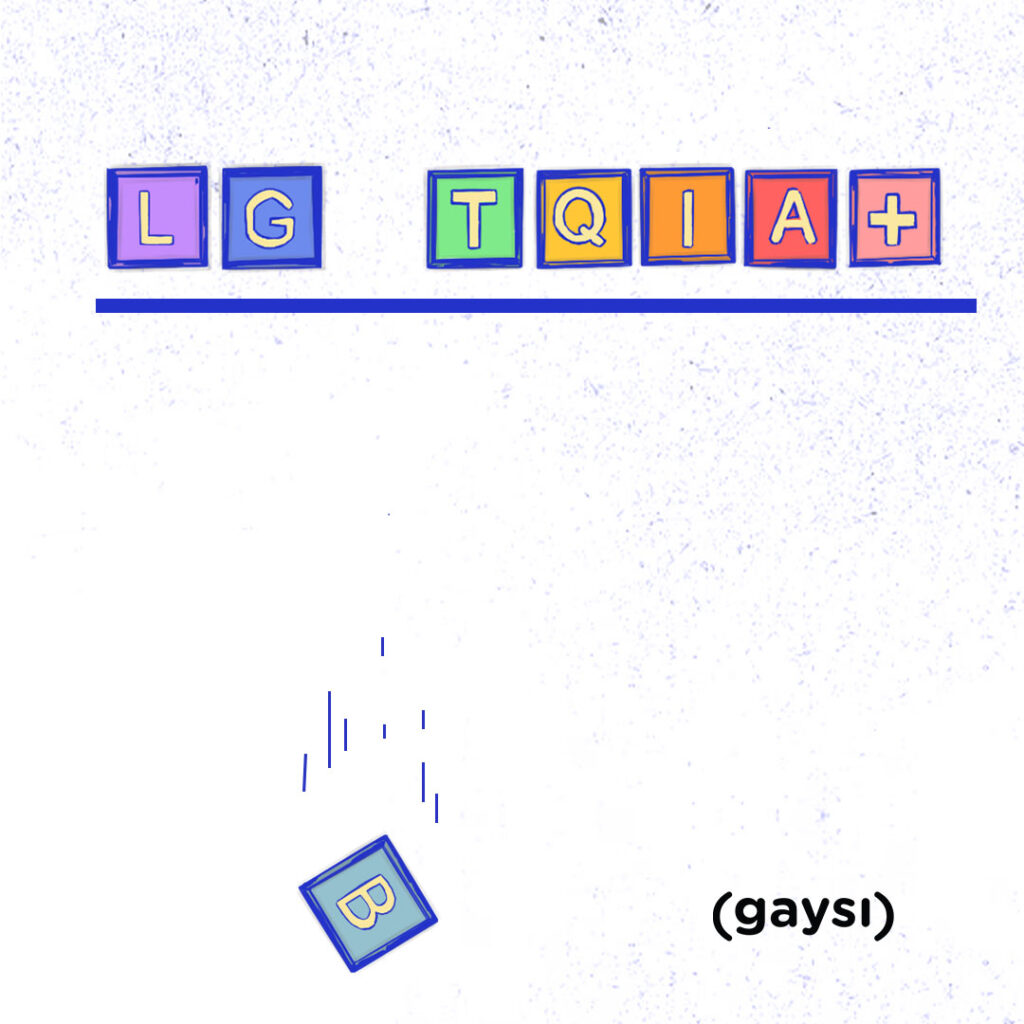
The B in LGBTQIA+ is, in my personal opinion as a bisexual woman, one of the most misunderstood identities out there. There’s just something about the ambiguity surrounding the sliding of attraction experienced by this community that makes it difficult to understand, thanks to a near-universal love for binaries. Categorisation makes life easy, and by denying that easy categorisation, bisexual people are often misunderstood, erased or downright rejected by heterosexual individuals and members of the queer community alike. There is an assumption that this dual attraction means that one either hasn’t abandoned straightness or, conversely, fully embraced queerness. Things get even more complicated when you add gender dynamics to the mix because the attitudes towards bisexual women versus bisexual men (forgive me for falling back on those binaries here) are drastically different.
Bisexuality amongst women is not only more commonly admitted to but also more accepted. However, there is an insidiousness to this acceptance that is hard to shake. I’m talking about the portrayal of bisexual women as hot, sexy and fun. Their expression of female-on-female sexuality is titillating and non-threatening to the social norm, which stands in stark contrast to the subliminal feelings of discomfort and disgust experienced when witnessing male-on-male sexual expression by bisexual men. Why?
The simple answer? Patriarchy, and all the nonsense that comes with it.
You see, the patriarchal societal structure has created static definitions of what it means to be a man and a woman. Moreover, it has constructed a framework to view the female body as an object of desire and consumption. In the context of women, while bisexuality implies attraction to members of the same sex, it is an identity that never wholly shuts the door to attraction to the opposite sex. This open door means that there is still potential for the penis to be privileged and be given a central position during sexual intercourse. As seen through the fantasies of bisexual threesomes featured in pornographic and mainstream media, when faced with the presentation of this alternative identity, the patriarchal structure expands to create a situation where a man is, once again, at the centre of pleasure experienced by women, both of whom dedicate their attention to servicing him first and foremost. The bisexuality of women, therefore, becomes a performance, something to be done for the pleasure of men. And as long as men can find ways to enjoy themselves, it is acceptable.
The same cannot be said for the expression of bisexuality amongst men, for this is an identity that even bisexual women sometimes reject. The definition of masculinity is not only simultaneously obscure and hyper-specific, but it is also heavily policed-a confluence that encourages the denial of sexual fluidity amongst men (something scientists are working to prove is more prevalent than initially believed). The gendered behaviours expected from men are so ingrained, and the possibility of deviance so threatening, that those who see themselves as embodying more conventionally masculine traits often refrain from examining their sexual fluidity closely. Even if they openly admit to embracing that identity, they are commonly subjected to harsh judgement by men and women alike-both of whom assume that male bisexuality is simply a stepping stone to a fully queer lifestyle that the man is yet too afraid to commit to. This is an assumption that not only belies a proper understanding of bisexuality as an alternative sexual identity but also places men at the centre of the argument once again.
In a previous article, “Questioning the Ick”, I touched on disgust, as defined by leading scholar Pierre Bourdieu. What emerged in that examination was a reframing of disgust as a “paradoxical experience of enjoyment extorted by violence”. While the focus of that piece was on cross-gender revulsion, I believe the same concept comes into play when we think about homosexual behaviour amongst men, at least bisexual men. The aversion towards men who feel attraction to men (as well as women) amongst men who profess to be straight may mask a desire for a “forbidden pleasure” that society denies them. The revulsion experienced by women, however, may have less to do with secret sources of arousal and more to do with toxic narratives surrounding gay sex and people who engage in it-because, let us not forget, internalised misogyny is an issue for women as well.
So where does that leave us? Honestly, I don’t know. As I mentioned at the beginning of this article, bisexuality is a complex identity to contend with. It’s easily misunderstood and even more easily dismissed. It’s fetishised and erased. It’s fickle and finicky. Despite all the conversations about it, bisexuality is rarely openly admitted to. Hell, it’s so complicated that even those committed to contending with the complexities of gender and sexual identity don’t want to deal with it. All I can say is we’re not your fantasy, so stop reducing us to one. Don’t try to put us in boxes. I assure you, if bisexual people wanted to place themselves in one category or another, it wouldn’t take much effort to do so. Engage with your preconceived notions on attraction and what it means to you and those around you. And, for the love of all things holy, check your biases! Get to the root of your discomfort and work on unravelling those threads because people don’t deserve to be judged for who they are. Don’t make your unresolved issues other people’s problems. Be better.
