


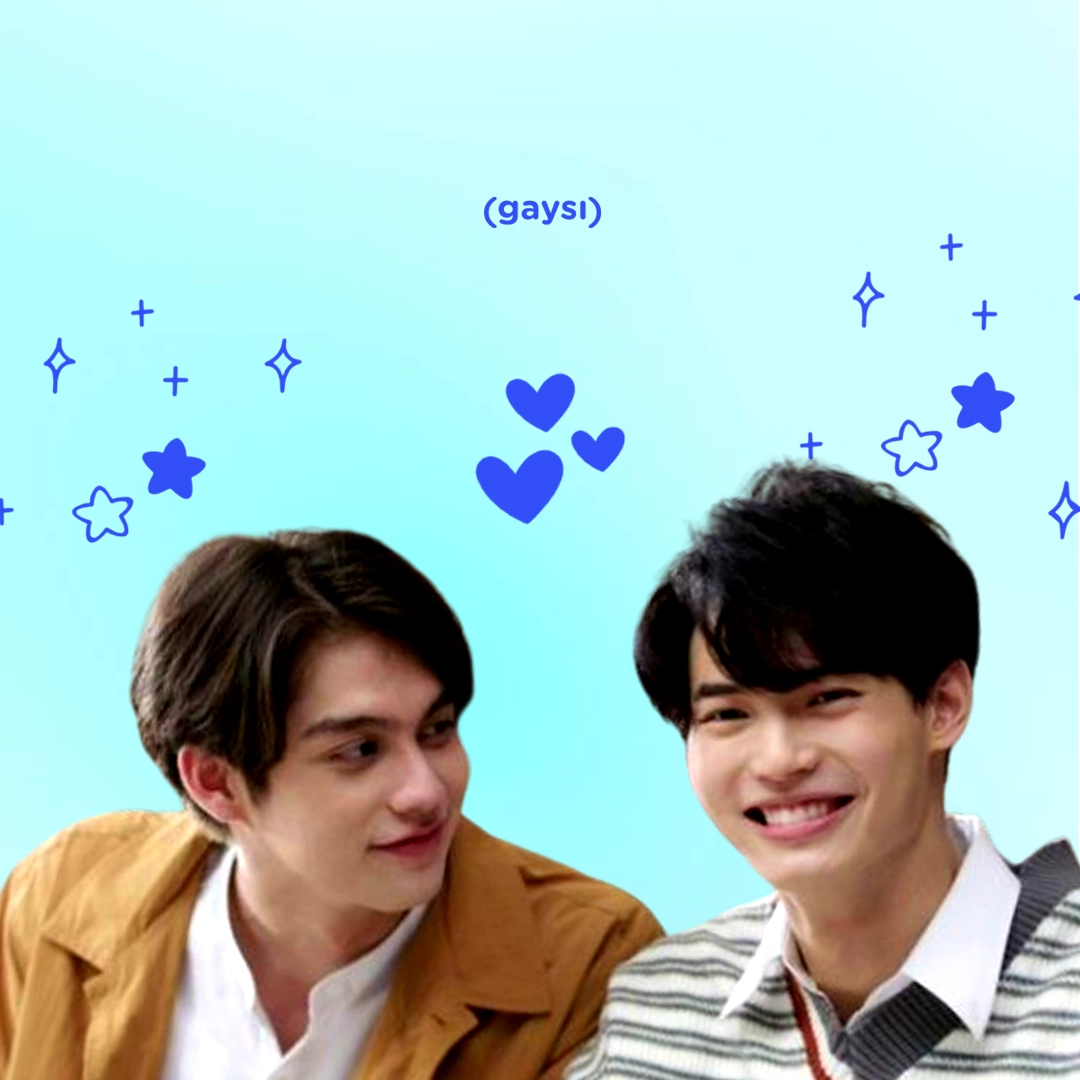
I did not wake up one morning and decide to become a fujoshi. It began, as many contemporary obsessions do, with a compilation promising “unmatched chemistry” from HIStory 4. After seeing clips of Li-cheng and Mu-ren, I told myself I would watch only one episode. 12 episodes on Viki and an overflowing watchlist later, I was fully invested. At the moment, I am watching Pit Babe. But beneath the butterflies and beautifully lit yearning sits a question that follows many fans around: when does enjoying stories about men loving men become fetishising them?
The word fujoshi, commonly translated as “rotten woman” or “rotten girl”, began as an insult before being reclaimed by women who loved male-male romance.The word fujoshi, commonly translated as “rotten woman” or “rotten girl”, began as an insult before being reclaimed by women who loved male-male romance. BL itself grew from Japanese shojo traditions and later expanded into manga, anime, novels and live action dramas across Asia. Its history has never been politically simple. It has offered fantasy, sexual experimentation and community, while queer critics have also challenged its distance from the ordinary realities of gay men.
That contradiction is precisely why I am drawn to it. For some women, heterosexual romance arrives burdened with memories of how women’s bodies are treated on screen. BL can temporarily remove the female character from that script. Desire becomes something we can observe without automatically imagining ourselves as the person expected to be beautiful, submissive, available or endangered.
For queer and questioning viewers, BL may also create a sideways route into recognising the tenderness we want. Not every person categorised as a “female BL fan” is necessarily straight or cisgender. Some of us are still figuring things out, using fiction to explore possibilities that feel intimidating in real life. Research on BL fandom has similarly described it as a space where audiences negotiate gender, sexuality and identity rather than merely consume erotic spectacle.
However, understanding why BL feels freeing does not make every fandom practice harmless. The ethical line is crossed when fictional pleasure becomes an entitlement to real queer men.
A fictional character cannot be made uncomfortable by my headcanon. An actor can. Shipping characters is one thing; insisting that their actors are secretly dating, analysing every touch as proof, confronting them with explicit fan art or attacking their real partners is another. Real person shipping becomes especially invasive when fans treat privacy as an obstacle to the love story they had invented.
The same distinction applies to “top” and “bottom” discourse. These can be playful labels inside fiction or consensual queer sexual vocabulary. The problem begins when they become complete personality types: the top must be more masculine, while the bottom must be feminised. This does not escape heterosexual gender roles so much as recast them with two men.
It can encourage fans to look at real gay men and ask invasive questions based on their bodies, voices or clothing.
Fetishisation is not simply finding queer men attractive or enjoying explicit fiction. Attraction is not automatically dehumanisation. The more useful question is: do I recognise the people represented by my fantasy as full human beings when they are no longer entertaining me?
Would I still support a gay man who is not conventionally attractive? Do I care about queer rights when there is no ship, kiss or attractive actor attached? Do I listen when queer viewers criticise a trope or do I respond as though my enjoyment is being unfairly confiscated?
There is also an uncomfortable misogyny within parts of BL fandom. Women who play girlfriends, co-stars or love interests are sometimes treated as threats contaminating a male-male fantasy. Calling them homewreckers reproduces the same patriarchal hostility many women may have entered BL to escape. A genre cannot be feminist merely because its central romance excludes women.
Ethical fandom, then, is less about passing a purity test and more about practising boundaries. I can enjoy explicit fanfiction while refusing to confuse it with sociology. I can support queer actors, writers and directors without declaring that only queer creators are permitted to tell queer stories. I can seek criticism from gay, bisexual and trans men without asking them to approve my entire watch history. I can support LGBTQIA+ organisations and political struggles, not as payment for enjoying BL, but because queer lives matter beyond representation.
Perhaps, being an ethical fujoshi means replacing guilt with curiosity. Guilt asks, “Am I a bad person for liking this?” Curiosity asks, “What has this taught me to desire, and whom might that desire erase?” The first question centres my innocence. The second asks me to remain accountable.
I still plan to finish Pit Babe. BL has given me comfort. Loving it critically does not make that pleasure less sincere. It may be the most respectful way to keep loving it: remembering that queer men are not characters waiting to complete our fantasy, but people whose lives continue after the edit ends.
