


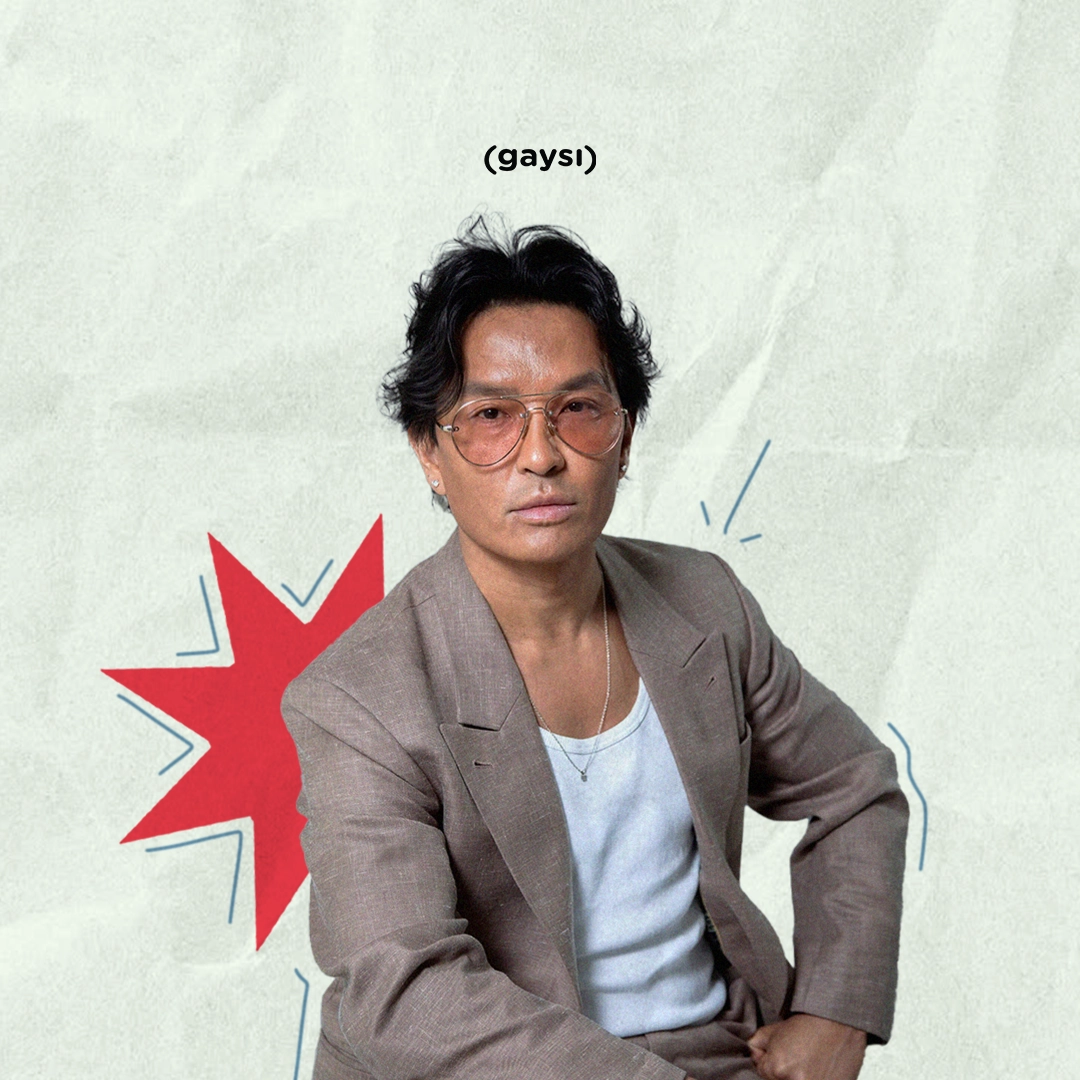
Walk Like A Girl is a 2025 memoir by the Nepali-American designer Prabal Gurung. Right from his journey as a young queer boy, who spent his childhood trying to fit into the pre-destined mould of queer boys, to breaking out of it and consistently refusing to honour the expectations that others put on him. Whether it’s about being the scapegoat queer or being a fashion designer in a white-dominated fashion industry, he’s always going to subvert expectations.
Walk Like A Girl
I remember when I first realised the gravitas of Prabal Gurung as a fashion designer, it was as recent as 2022 when I was just a young fashion world enthusiast. I was learning designer names, fashion history, and interning for one as well. So when in May, I followed the Met Gala more closely than ever, I noticed the name Prabal Gurung pop up. It’s always more fun to hear names you’ve heard your entire life, dressing so many well-known celebs. He had dressed Mindy Kaling, and the most memorable one was Ashley Park’s pink dress. It scratched some part of my Indian/South Asian brain to see a queer, POC fashion designer making his impact on the Met Gala like that–little did I know that Prabal had been making waves for a while already.
Prabal Gurung has the ability to tell his story alongside the community he identifies with. He doesn’t separate his story from his community and ensures to credit every single soul that has helped him come where he is. Be it his team members, the master Anna Wintour (the Global Chief Content Officer at Conde Nast–parent company of publications like Vogue, GQ, The New Yorker, etc.), or even his mum. He remains accountable for his shortcomings and is transparent enough to show us how he works to rectify or work through the problem.
Think Like A Businessman
Prabal’s memoir teaches you about history, fashion history, community history, and even a bit of Nepali history. He’s seen racism in the New York queer circles, racism and homophobia in fashion, and even how he’s impacted that history by simply existing. There’s a level of anticipation he’s able to build in his memoir. His strong sense of community and awareness of the context it lives in allows us to situate him in the last 3 decades he’s been working for. He creates mystery and takes us through a similar rollercoaster of emotions he went through while working through all of his designs.
He doesn’t reveal much about his processes, but he goes in-depth with his inspiration, recognising how much each part of himself inspires him to do more and be more. There’s intention behind every word he wants his work to be associated with. Despite us knowing he’s truly made it as a designer, who has both “style and substance,” he’s able to keep us readers on our toes as he walks us through the process of making his first collection.
“Will this work out? Will it not? Who is the imposter here?”
Another amusing detail that he includes is how the Met Gala works. We know that the tickets are expensive, but not everyone can purchase them–you’d still need a blessing from Anna Wintour. And as Indians praise all the Bollywood actors who have had the chance to walk the red carpet and attend the dinner (which we learn are separate invitations), we need to also know that it’s the designers who invite celebrities to the Met. So the only reason Alia Bhatt attended the Met Gala, where Karl Lagerfeld was honoured, was because Prabal Gurung wanted to dress her. A milestone for her for sure, but it’s also right to credit the Nepali-American, queer man (who would otherwise be bullied here) as the one who put her in that landscape.
Work Like An Artist
He pointed out the biggest flaw that COVID years showed us–when it comes to creativity, it became relaxed and art-centric during these two years. Now, we’re back to the norm and worse than ever, constantly churning out new clothes, new materials, and new “content.” Unfortunately, Prabal’s prediction was right. Expecting to go into full creation mode in capitalism requires you to keep churning out uninspired work. Coincidentally, as I’m writing this on the 10th of March, creative director Francesco Risso said in a BoF interview that, “fashion should slow down to find its magic again.”
He doesn’t shy away from confronting the racism, classism, and queerphobia that’s prevalent in the back curtains of the fashion industry–but there’s also so much appreciation for the artisans and craftspeople who have been running the entire space on their passion for clothes. Prabal even shows us not just how hard things were for him but also how much his class privilege opened doors for him when the time came.
Be Like Prabal
Walk Like A Girl feels like a breath of fresh air in the sea of celebrity memoirs and is one of the only few that I’ve enjoyed. This is totally not because of my interest in the fashion industry, but also because of Gurung’s way of storytelling. You’ll find yourself laughing with him A LOT, his wit combined with his compelling manner of retelling his experiences with nuance. It’s going to feel like you’re talking to a close friend about their life.
One of the other reasons why it separates itself from a lot of other non-fiction is the queerness of it. There’s humbleness, confidence, and a lot of resilience that we understand. There’s empathy for everyone who has ever come into Gurung’s life, and he remains grateful to not just the ones who pushed him to become who he is, but also this understanding that he owes something back to the community that got him there.
