


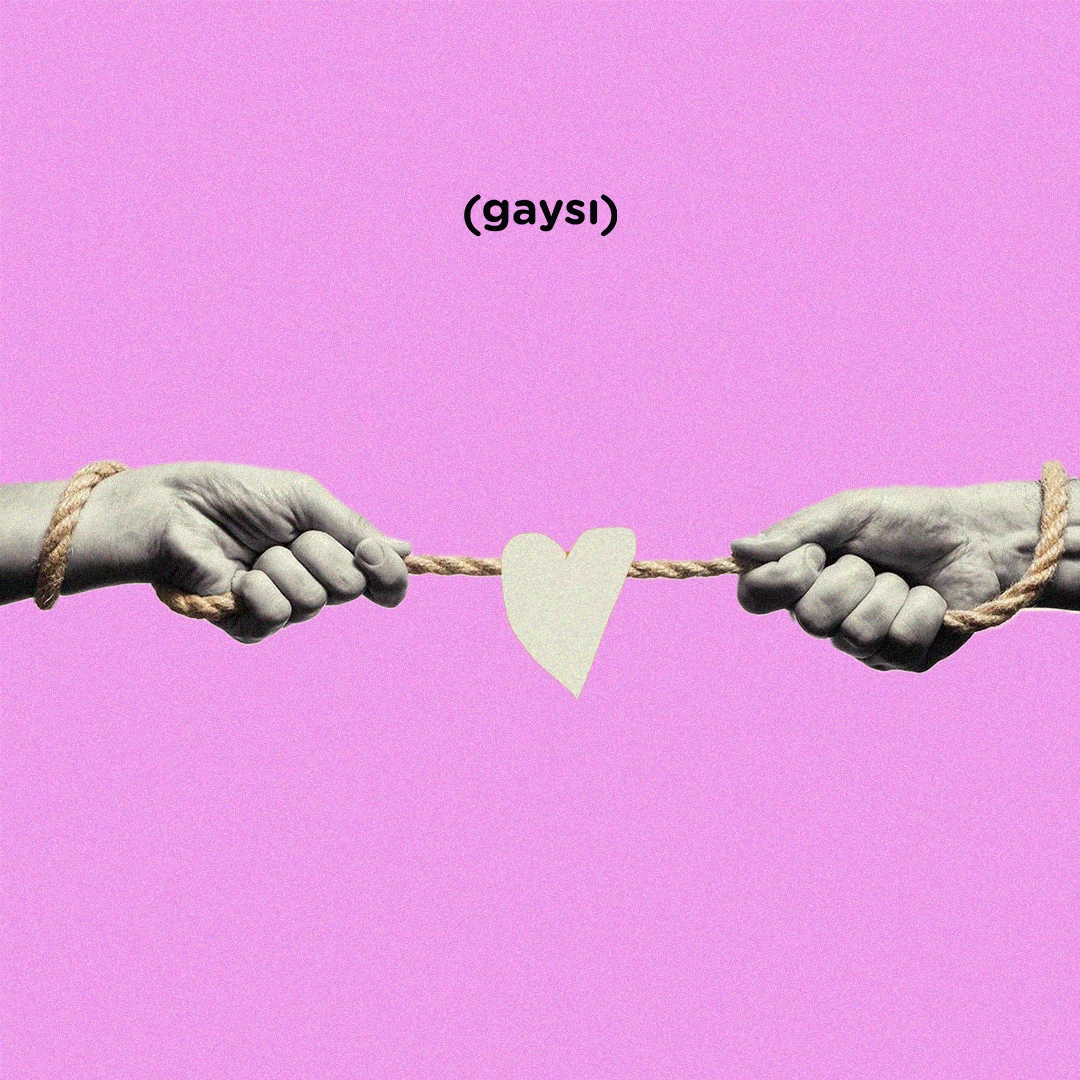
Political lesbianism, a concept born out of the radical feminist movements of the 1970s, is the intellectual equivalent of showing up to a heteronormative party with a flamethrower. It isn’t just about sexual attraction, but about blowing up the very foundations of a system that has kept women firmly planted under the boot of the patriarchy.
For supporters of political lesbianism, relationships with cis-men were seen as a form of cultural conditioning, where women, shaped by societal norms, unknowingly surrendered their autonomy to maintain conformity. A situation where even love was actually a sinister mechanism reinforcing male dominance. The idea pioneered by the Leeds Revolutionary Feminist Group’s pamphlet, ‘The Case Against Heterosexuality’, proposed that lesbianism was less about who you wanted to kiss and more about which system you wanted to destroy.
Also read: Love Bombs, U-Hauls, And Lesbians
The interesting thing is political lesbianism didn’t just challenge the personal—it challenged the political, the social, and maybe even your last few Tinder swipes. The radical stance that all relationships with cis-men were inherently patriarchal drew sharp lines dividing, on one side, women who saw this as the only way to escape male dominance, and those who still wanted to believe that some men could help in dismantling the patriarchy, on the other. In a lot of ways, it wasn’t just a declaration of independence from men—it was a full-on secession. The feminists who embraced this movement were essentially telling those they considered agents of patriarchy (i.e., cis-men), “It’s not me, it’s you,” and then ghosting half the population.
But of course, not everyone saw this as a love story gone wrong. Many lesbians who had arrived at their identity through attraction, rather than politics, felt that political lesbianism turned something deeply personal into a campaign slogan. It’s like if someone said, “You don’t love hiking, you just hate cars!” The conflation of lesbianism with an ideological tool made it most uncomfortable for them. But political lesbianism isn’t exactly a cozy concept; it was supposed to shake the foundations of what we thought of sex, power, and relationships.
Criticism aside, the concept of political lesbianism is still relevant today, though often framed differently. Adrienne Rich’s idea of “compulsory heterosexuality” dovetails with political lesbianism’s critique of straight/straight-passing relationships. The idea is that society pushes cis-women into relationships with cis-men because it’s what’s expected. But today, with the rise of queer theory and the celebration of fluid sexual identities, we might just say that political lesbianism was ahead of its time, shaking us out of our default mode of compulsory-heterosexuality. Even if you’re not signing up for the full political lesbianism package, the movement has made a lasting impact on how we think about sexuality as a praxis—and one that can be political.
Let’s pivot to pop culture for a moment, because you can’t talk about radical ideas without bringing in the Hollywood machinery (or really any industry that manufactures entertainment and glamour). Take “Mrs. America”; While the series doesn’t dive into political lesbianism directly, it simmers in the background, reflecting how radical feminist ideas created rifts even within the feminist movement. In particular, through the character of Brenda Feign-Fasteau. The show offers a window into the tensions and complexities of the era and how radical feminism wasn’t just fighting the patriarchy, but was also sparking intense debates among feminists themselves.
Also read: Queerbaiting and Representation: Where do we Draw the Line?
Now, if you think political lesbianism was confined to the 1970s, think again. The concept has found a modern parallel in places like South Korea. Enter the “4B movement”—a catchy term for a group of women rejecting dating, sex, marriage, and childbirth. These women aren’t necessarily calling themselves political lesbians, but the spirit remains the same. They’ve basically told the patriarchal expectations of South Korean society, “Thanks, but no thanks.” South Korea’s patriarchy is a monster of it’s own making, and the women in the 4B movement are fighting it in their own way—by living their best life, minus the boyfriend.
In reflecting on political lesbianism, it’s clear that the idea still raises some deliciously provocative questions. Is who we choose to love or partner with ever really free of political context? The notion that personal relationships can serve as battlegrounds for larger systemic struggles forces us to take a good, hard look at how power operates in our lives. Sure, for some, the idea of using lesbianism as a political tool might feel like an oversimplification, like asking someone to choose between coffee and tea without acknowledging that some people really just want a margarita. But the core of political lesbianism is challenging how systems of power shape our intimate lives, and this has left a lasting mark on feminist thought.
What’s really intriguing is that political lesbianism doesn’t just apply to historical or niche movements. It’s a reminder that sexuality, like everything else, isn’t just personal—it’s deeply political. Even today, in conversations about gender roles, sexuality, and relationships, the echoes of political lesbianism challenge us to think more critically. Maybe it’s not just about who we love, but about how we love, and how the structures around us try to dictate what that love should look like.
Ultimately, political lesbianism wasn’t just about women saying “no” to men—it was about saying “yes” to autonomy and to the possibility of love and solidarity outside the traditional frameworks we’re handed. Whether or not you buy into the full ideology, political lesbianism invites us to question the most intimate aspects of our lives and imagine new ways of living, loving, and resisting. In a world that’s always telling us how to be and whom to love, there’s something undeniably radical—and a little bit freeing—about taking a step back and saying, “Maybe I’ll do it my way.”

What makes this author think the 4b movement has anything to do with sexuality? This author says she educated people about feminism, but claims 4b is related to political lesbianism. She avoids even addressing the 4bs. She doesn’t cite any 4b material to support her hypothesis. Everyone in the 4b movement is laughing at this article and the guardian article. 4b and political feminism have nothing to do with each other. Calling feminists lesbians is classic patriarchal attack. Nothing new. As old as burning witches.
I think you fundamentally misunderstood the message of this article. Firstly, it’s not calling feminists lesbians, it’s talking about a specific feminist theory in which feminists would practice lesbianism for political reasons. That’s a whole other set of discourses for another day. Secondly, this article isn’t claiming political lesbianism is in any way connected to the 4B movement. The author is simply saying that they share the same central idea, that being that feminists should abstain from sleeping with or having relationships with men. Read closer next time 🙂