


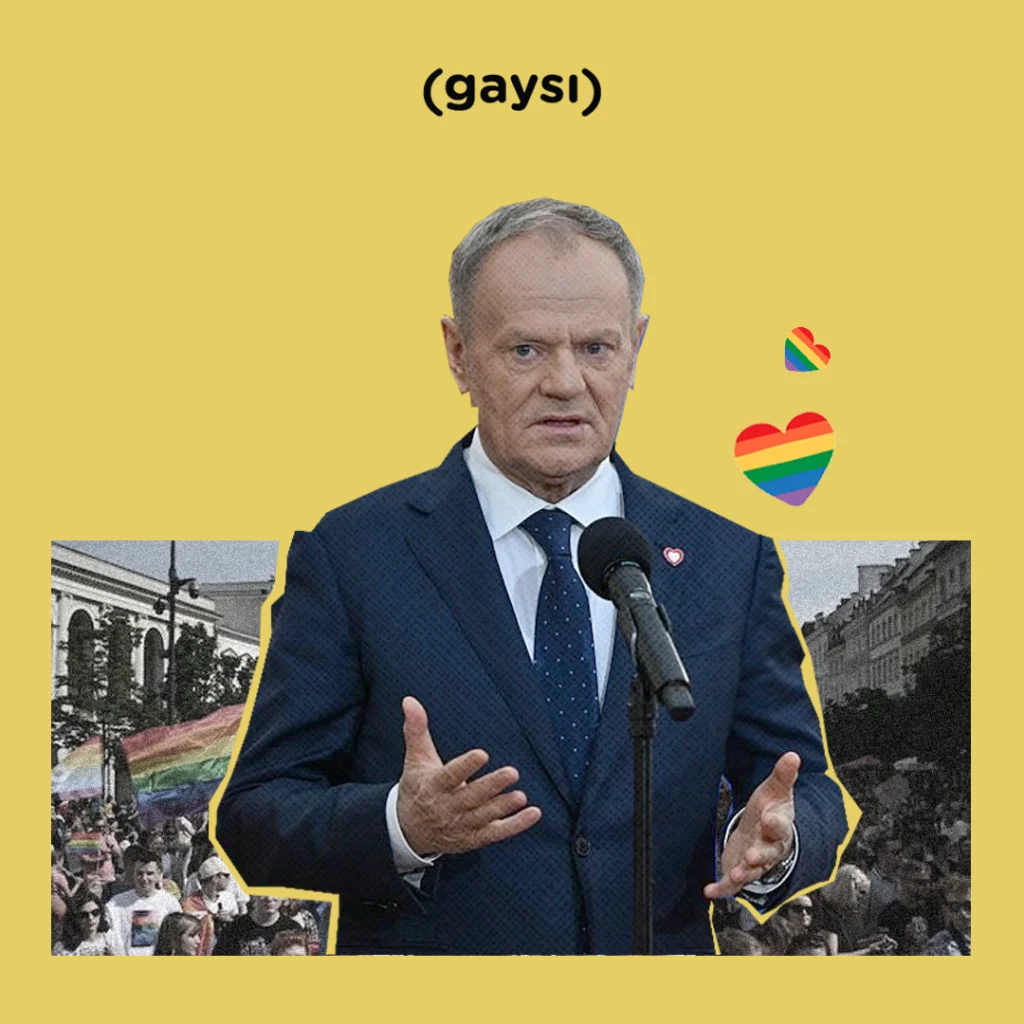
In a quietly historic move, Poland has begun recognising a same-sex union between two women, Alicja and Jolanta Prochowicz-Senkiewicz, not by legalising marriage, but by finally acknowledging that queer love exists within its borders.
In May 2026, Warsaw registered the country’s first same-sex marriage, a union that had originally taken place abroad. This wasn’t a sudden act of progressive generosity. It was the result of pressure from the European Union’s highest court, which ruled that member states must recognise same-sex marriages conducted in other EU countries, even if they don’t allow them domestically.
Poland’s own Supreme Administrative Court followed through, ordering authorities to enter such marriages into the national registry.
On paper, this might look like a win. And in many ways, it is. Recognition means access to residency rights, social security, and basic legal protections that queer couples have long been denied.
But let’s be clear: this is not marriage equality.
Same-sex couples in Poland still cannot marry within the country. The constitution continues to define marriage as a union between a man and a woman, and political resistance, particularly from conservative factions and the presidency, remains strong.
What Poland is doing right now is the bare minimum: recognising what already exists everywhere.
And yet, even this “bare minimum” matters. For decades, Poland has been one of the most conservative countries in the EU when it comes to LGBTQIA rights. The fact that recognition is being forced through legal frameworks rather than cultural consensus says a lot about how change is happening — not from the ground up, but from courts onwards.
Which brings us inevitably to India.
Because if Poland feels like it’s moving cautiously forward, India feels like it’s standing still — or worse, circling the same debate and not doing anything about it or not wanting to do anything about it at all. After the Supreme Court’s 2023 verdict declining to legalise same-sex marriage, queer couples here remain in a legal limbo. There is no framework for civil unions, no recognition of partnerships, and no structural protections that acknowledge queer relationships as families.
In that sense, Poland, despite its limitations, is technically ahead. It has been compelled to recognise queer unions, even if reluctantly. India hasn’t even reached that stage yet.
But the similarities are impossible to ignore. Both countries reveal a pattern: governments that acknowledge queer existence socially, but hesitate to legitimise it legally. Love is tolerated, but not validated.
The question, then, isn’t whether change is happening; it clearly is.
The real question is: why does it always arrive halfway?
