


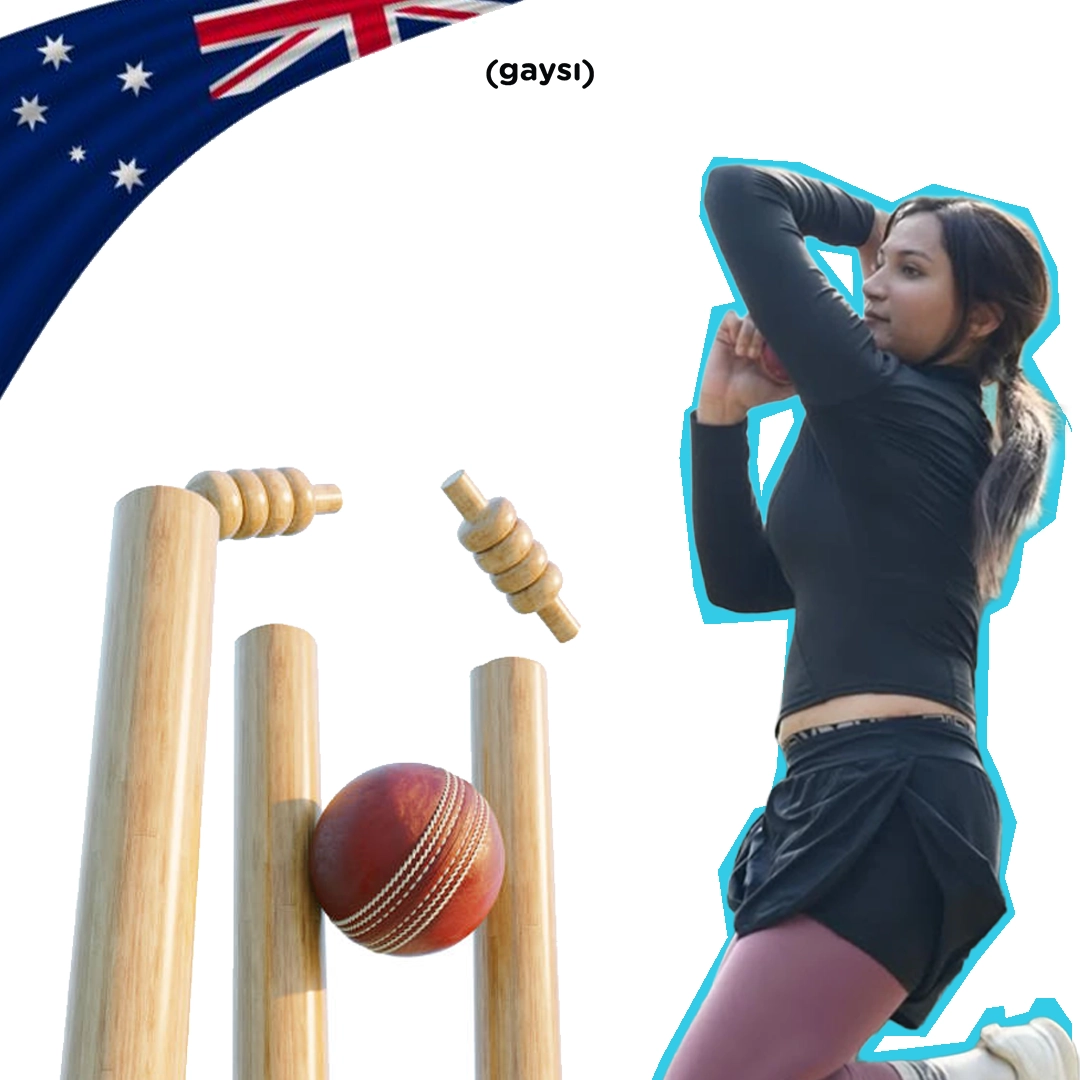
For Anaya Bangar, returning to cricket is less a triumphant finish than the beginning of another innings.
The 25-year-old cricketer, daughter of former Indian player and coach Sanjay Bangar, has been cleared by Cricket Australia to play women’s community and Premier Cricket, with a pathway towards elite women’s cricket from March 2027. The decision has put her back on a field she once feared she had lost for good, while placing her at the centre of one of contemporary sport’s most politically charged debates.
Bangar grew up within Mumbai’s competitive cricket ecosystem and played age-group cricket before her transition. She publicly announced her transition as a trans woman in 2024 and subsequently underwent hormone therapy and gender-affirming surgery. After seeking clarity from the BCCI about whether she could continue playing women’s cricket in India, Bangar said that she had received no response. Cricket Australia, meanwhile, has provided her with a defined route back into competition. Cricket Australia, meanwhile, has provided her with a defined route back into competition.
And perhaps the most important detail in this story is also the one most easily swallowed by the outrage surrounding it: Bangar has not been handed a Women’s Big Bash League contract.
Eligibility is not selection.
Until March 2027, she can participate in Premier Cricket, which Cricket Australia classifies as community cricket. Her future eligibility for elite competitions is conditional on continuing to meet the governing body’s requirements, including its testosterone threshold. Even after becoming eligible, Bangar would still need to regain match fitness, perform, attract attention, and ultimately be selected, just like other players chasing a professional career.
Yet the conversation around her can sometimes sound as though a trophy has always been awarded.
Former Indian women’s captain Sandhya Agarwal has argued that transition does not necessarily remove physical advantages developed during male puberty. Olympian Dutee Chand, who underwent a controversial gender-verification test in 2014 over naturally high testosterone levels and later successfully challenged athletics’ hyperandrogenism rules, backs the inclusion of trans women in women’s sport. “Those who have transitioned and changed their gender are no longer male, right? Thus, she has every right to play women’s cricket,” Chand says. On concerns around physical advantage, she notes that hormone levels can be tested for compliance, adding, “Strength is natural; you cannot tell someone, ‘your body is too strong, so you cannot compete with us.’” Chand, who came out publicly in 2019, was widely reported as India’s first openly gay athlete. Their disagreement reflects the wider question facing sport: how do governing bodies protect meaningful competition without automatically excluding transgender athletes from participating?how do governing bodies protect meaningful competition without automatically excluding transgender athletes from participating?
Cricket itself does not have one universal answer.
The ICC’s current international regulations exclude trans women who have experienced male puberty from women’s international cricket, regardless of subsequent surgery or gender-affirming treatment. Cricket Australia’s domestic system instead provides an eligibility pathway under its own criteria.
It creates a strange contradiction for Bangar. She may eventually be able to pursue elite domestic cricket in Australia while remaining unable, under current ICC rules, to represent India internationally. This is especially poignant considering that she has spoken about still dreaming of wearing the Indian jersey and winning a World Cup.
For queer and trans athletes, this policy patchwork matters far beyond one cricketer. Sport is not simply medals and rankings. It can also mean livelihood, routine, community and belonging. When regulations change dramatically across borders, an athlete’s future can depend not only on how well they play, but on which governing body happens to control the pitch beneath their feet.
Bangar’s story does not require us to pretend questions about competitive fairness don’t exist. Those questions deserve research, careful regulation and conversation.
But “fairness” should not become shorthand for treating a trans athlete’s very presence as scandalous.
Cricket Australia has given Anaya Bangar an opportunity to compete, not a guaranteed place in the team.
The rest still has to be earned with runs, wickets, fitness and form.
For now, all she is asking cricket to do is let her try.
