


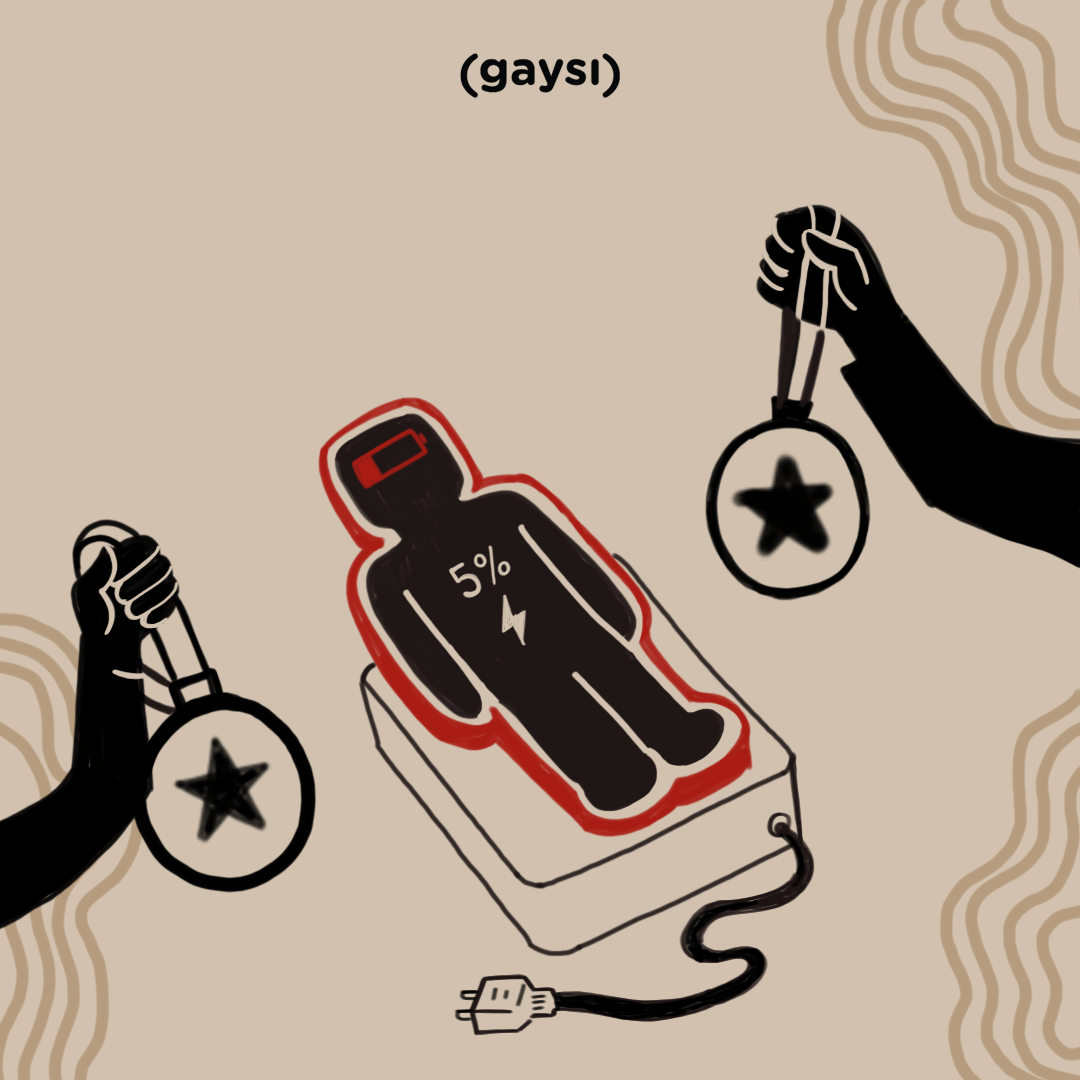
There is a particular kind of guilt that comes with being in your 20s and needing a nap.
Not a cute, self-care nap. I mean the kind where your laptop is still open, your inbox is full, and your body quietly decides it is done for the day. You lie down for ten minutes and immediately feel like you have sabotaged your future.
Because somehow, in your 20s, rest is never just rest. It becomes evidence, evidence that you are lazy, evidence that you are falling behind, evidence that someone else is more productive, more successful, more disciplined, more everything.
And honestly? I am tired of pretending this is normal.
We keep being told that our twenties are our “building years”. Build a career, build confidence, build a network, build a personal brand, build savings, build a life. The problem is that most of us are trying to build all of this while juggling economic uncertainty, burnout, family expectations and the constant feeling that we are somehow already late.
No wonder lying down feels illegal.
What makes productivity guilt so sneaky is that it disguises itself as ambition. It tells us that we are just being responsible when it is turning every moment of our lives into a performance review. According to Verywell Mind, productivity guilt is the shame people feel when they are not being productive, particularly in cultures that tie personal worth to achievement and output. The result? Even rest has to justify itself. Sleep so you can work better. Take breaks so that you can avoid burnout. Meditate so you can become more efficient. We have somehow managed to turn lying down into another item on the to-do list.
The irony is that our bodies are usually pretty honest. They tell us when we are tired. They send headaches, brain fogs, irritability, random crying sessions, and the overwhelming urge to stare blankly into space. But instead of listening, we negotiate.
“Just one more task.”
“Just one more application.”
“Just one more email.”
Eventually, we do stop, but not because we chose to rest. We stop because we crash. There is a difference between rest and collapse.
Rest is stepping away before your body forces you to. Collapse is what happens when you ignore every warning sign. Practo describes guilt around resting as a learned response shaped by cultural expectations and stress, rather than evidence that someone is lazy. Many of us learned of this guilt at home. In plenty of South Asian households, rest is something you earn after every responsibility has been completed. There is always another exam, another task, another goal. Our parents often survived by pushing through difficult circumstances, so stopping can look irresponsible from their perspective.
But inherited survival strategies are not always healthy coping mechanisms.
Then there’s the internet, which has made feeling “behind” into a full-time emotional state. Every time you open social media, somebody your age is moving countries, launching a business, publishing a book, getting engaged, or somehow maintaining perfect skin while doing all of the above.
You know it’s curated. You know it is not the whole story. And yet, part of your brain still whispers: why not me?
For queer and questioning people, this pressure can feel heavier. The feeling of being behind is not always about careers. Sometimes it is about relationships, community, visibility, healthcare or simply being able to live authentically. When so much energy is spent navigating identity, safety, and acceptance, exhaustion is not a personal failing. It is often the cost of carrying more than people can see.
Money anxiety does not help either.
According to Deloitte’s Gen Z and Millennial research, financial security remains one of the biggest concerns for young adults, with many delaying major life decisions because of economic uncertainty. That context matters. A lot of us are not afraid of resting because we love work. We are afraid because we are scared about the future.
Scared about rent, finding stable employment, disappointing families, whether we will ever catch up.
So when we rest, it can feel like we are taking our foot off the gas while everyone else keeps moving.
PsychCentral notes that productivity guilt often stems from feeling that there is always something more important to do. That perfectly captures what many of us experience. Even during downtime, our brains are busy auditing unfinished tasks.
Maybe this is why we need to become more rebellious about rest. Not because rest makes us more productive later, but because we are human beings. Rest should not have to improve our workflow to be valid. Sometimes it is watching a comfort show, cancelling plans, taking a nap. Sometimes it is doing absolutely nothing and refusing to apologise for it.
Most importantly, we need to stop treating rest like a reward for perfect behaviour. You do not need to earn sleep, food and softness. You do not need to complete every task before you are allowed to stop.
Your twenties are not supposed to feel like a punishment for not being exceptional enough. They are messy, expensive, confusing and full of uncertainty. Nobody has it figured out as much as they pretend to.
You are allowed to rest before you break. You are allowed to pause without turning the pause into another self-improvement project. Because rest feels like a crime only when we confuse exhaustion with virtue. And despite what hustle culture keeps trying to tell us, being tired is not a badge of honour. It is usually just a sign that you need a break. So take a nap. The emails can wait for an hour. The world will survive. And chances are, so will you.
