


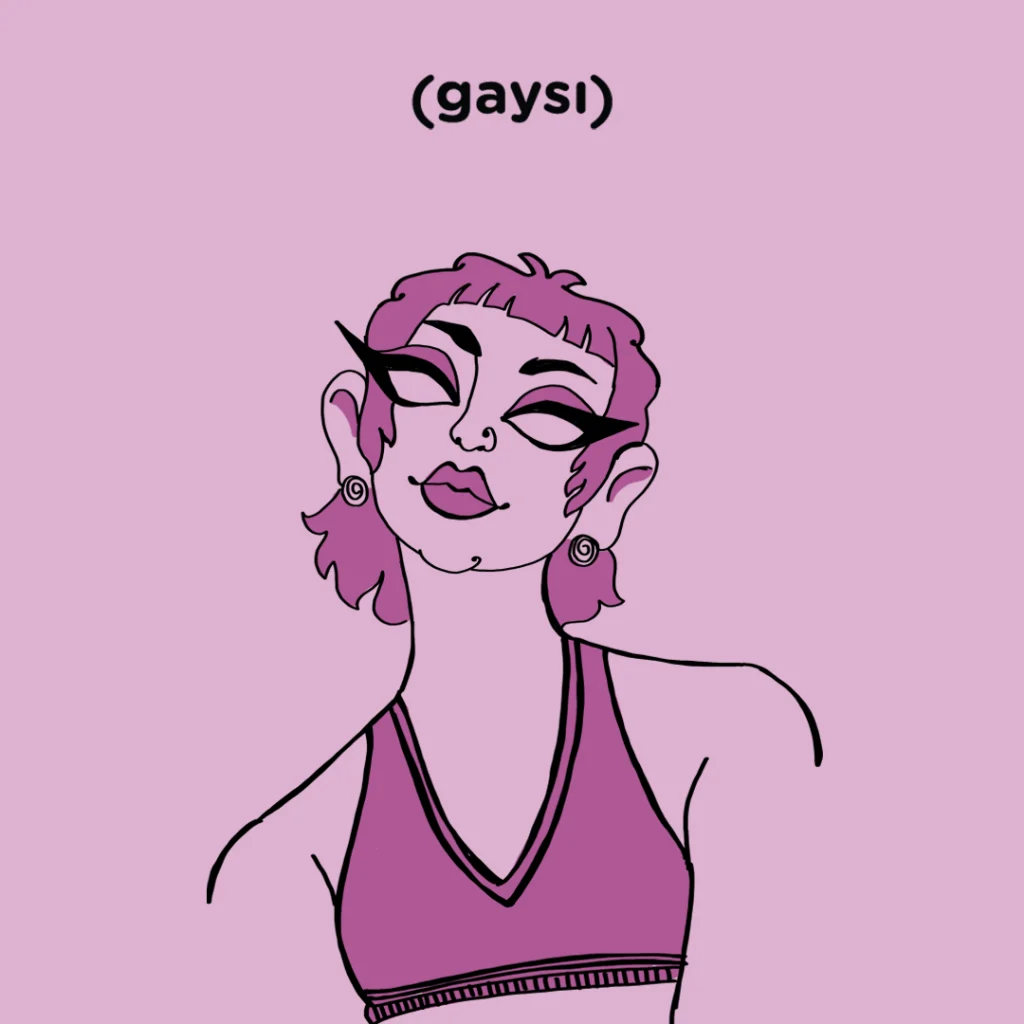
At queer parties, I find myself staring in quiet amazement at people who look effortlessly put together, and most of all, who “look” queer as a dazzling pride flag at sea. While that thought lingers on, another one quietly interrupts it: Will I have enough money to get back home after this?
What does it mean to look queer?
Queer presentation is often understood through physical appearance: dyed hair, cropped tops, bold androgynous looks, and make-up that can compete with drag artists. To “look queer” is framed as expressive, even joyful, and it is. But that lens also assumes one has access to money, safety, time, and social permission.
For many desi queer folks, especially those living with family or navigating working-class realities, presenting as yourself can be tricky. A person may have to choose between going to the lesbian club they’ve thought about all month or buying groceries for the next two weeks. And even when money isn’t the concern, it can mean toning things down at home or in your neighbourhood, because safety takes priority. Looking queer can be a luxury for some.
For me, accepting that I was queer didn’t immediately translate into expressing it outwardly. If anything, it made things more complicated. I was still living with a queerphobic family member while secretly learning how to drop the straight mask. This was years ago, but only recently did I realise that even “plain” clothes from non-branded shops don’t read as straight by default. The key is the way you style the “straight” outfit. After this realisation, my understanding of what queerness can look like began to shift.
Read more: How Fake Is The ‘Queer’ Aesthetic?
However, this makes me wonder: where does this image (that queerness must look polished, stylish, even expensive) come from?
There’s a widely circulated idea of queerness, visibly expressive, confident, aesthetically distinct. Someone who articulates their identity, experiments with fashion, and is unapologetically visible. While that image does exist for many, it often reflects a smaller, more privileged section within an already marginalised community.
So, what does the rest of the queer community look like?
It looks like a range of lives that are often less visible, sometimes deliberately so. From a closeted trans person navigating a hostile home, to someone struggling to afford their next meal. People whose queerness exists in negotiation with their circumstances, not outside them.
While I agree that clothes play an important role in announcing your queerness, I also remember that it’s not an available option to everyone. This read isn’t about dismissing visible queerness or discouraging anyone from embracing it. It’s about widening the frame. About recognising that the ability to “look queer” in ways that are celebrated and legible is often shaped by access. The quiet side of presenting queerness looks like negotiating with the hands dealt to you. In creating art, writing stories, or finding ways to connect with others who understand. In building a chosen family in whatever spaces are accessible to you.
Queerness also exists in that quiet, intense need to be yourself even when it isn’t easy or affordable.
