


There’s something deeply funny about the fact that queer fandom — a demographic constantly accused of “romanticising toxic women” — is also one of the only spaces willing to admit that female rage can be ugly, embarrassing, manipulative, horny, pathetic, theatrical, and sometimes just straight-up evil.
Because the truth is: the internet’s favourite women are rarely well adjusted.
They’re eating their classmates. Faking pregnancies. Starting cults. Manipulating friends. Smiling while ruining lives. Wearing lip gloss while committing psychological warfare. And queer fandom? We are in the corner making fancams, either set to Charli XCX or Sabrina Carpenter.
Look at the women people obsess over online:
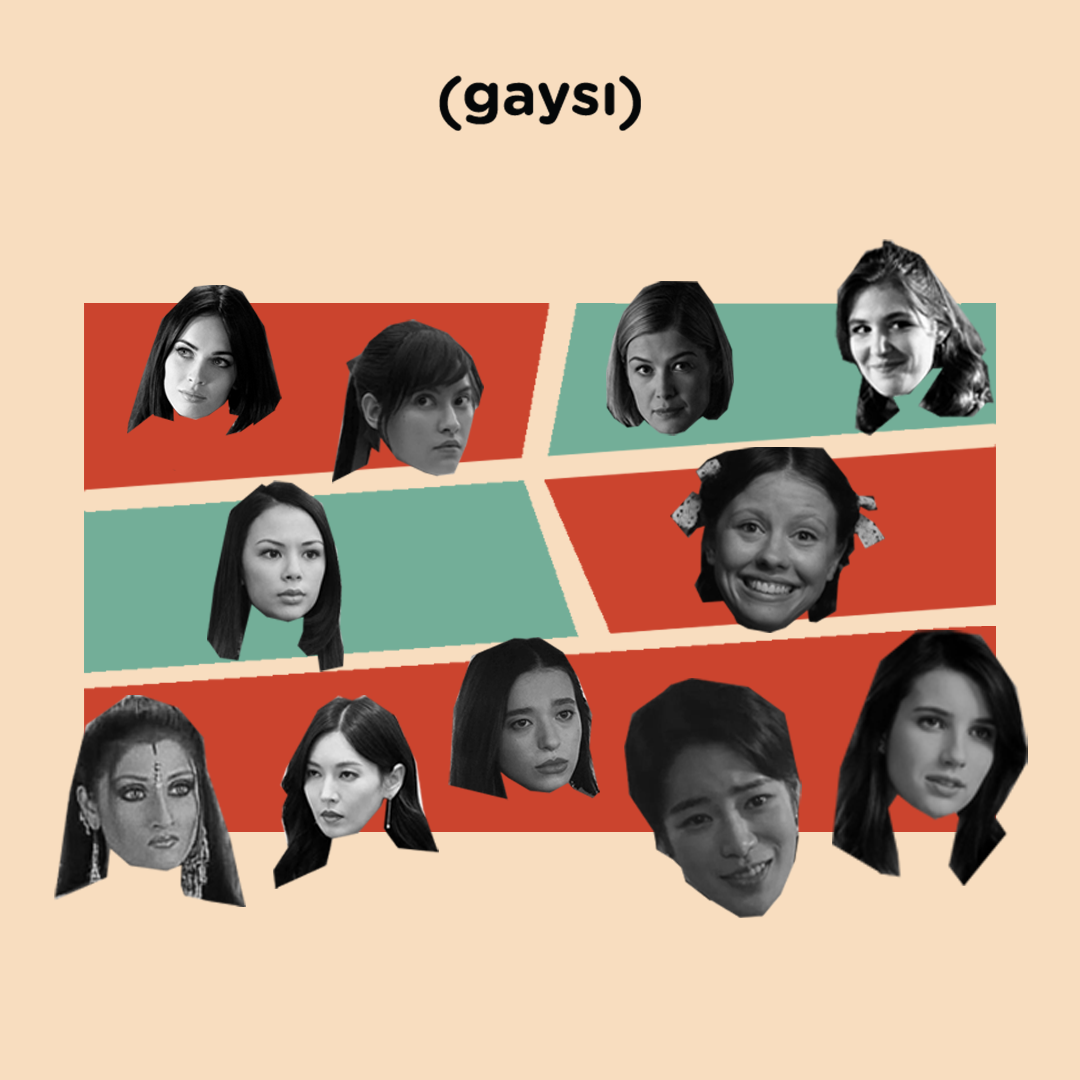
Jennifer Check. Shauna Shipman. Amy Dunne. Yuri. Jill Roberts. Amber Freeman. Mona Vanderwaal. Cheon Seo-jin. Park Yeon-jin. Pearl Douglas.
None of these women are “good representation.” Some are barely good people. But queer fandom gravitates towards them anyway, because they represent something women, especially queer women, are rarely allowed to be on screen: difficult.
And honestly? Sometimes they’re just more fun than the morally pure protagonist standing next to them.
And there are times I adore them too. Jennifer Check from Jennifer’s Body is one of my all-time favourite female villains, especially considering I cosplayed her twice in her famous pink hearts hoodie.
The interesting thing is that half these women were made by circumstance. The other half are basically evil because they woke up one day and thought, “This sounds fun.”
The aforementioned Jennifer Check is a perfect example of this first category. She becomes a monstrous succubus after surviving male violence and exploitation, turning into something terrifying because the world already treated her body like an object long before the demon possession kicked in. The film eventually became a queer feminist cult classic because audiences, especially sapphic viewers, connected to its messy mix of desire, friendship, body horror, and revenge.
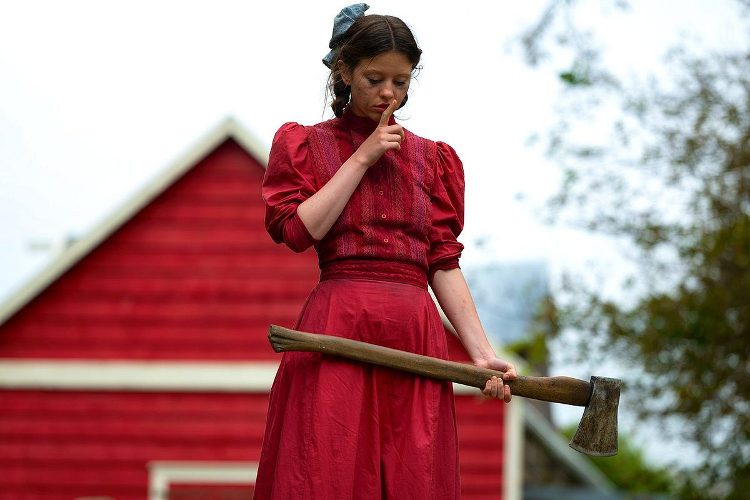
Same with Pearl Douglas from the X trilogy. Pearl is horrifying, yes, but she’s also trapped. Trapped by isolation, repression, failed dreams, and suffocating expectations of femininity. You don’t watch Pearl and think “slay queen.” You watch her and think, “Oh. This is what happens when a woman is forced to bury every ugly feeling until it starts leaking out of her skin.”
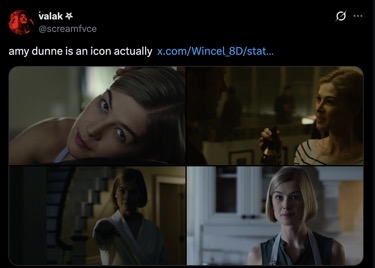
And honestly, Amy Dunne from Gone Girl remains one of the greatest female villain performances ever, because she weaponises the exact system that objectifies women. Amy understands that society only cares about women when they perform victimhood correctly. So she turns herself into the perfect victim with terrifying precision.
Then there’s Mona Vanderwaal from Pretty Little Liars — arguably one of the blueprints for queer fandom female villains. Mona starts off as the bullied outcast, desperate to reinvent herself into someone untouchable. And once she gains power, she never wants to feel powerless again. The tragedy of Mona is that underneath the genius manipulation and psychological warfare is someone who fundamentally believes love must be earned through performance.
And as someone who was an outsider during my school years, I get what it feels like to be barred from friend groups and underappreciated when you do get in. I wouldn’t do what Mona did, though.
But then you have the second category of evil women. The women who aren’t tragic cautionary tales. The women who simply enjoy being awful.
Yuri from Girl From Nowhere is probably one of the clearest examples. Unlike Nanno, who at least pretends to operate on some twisted moral code, Yuri often feels driven by pure chaos, ego, envy, and hunger for power. She doesn’t want justice. She simply wants sadistic control.
The same applies to Jill Roberts and Amber Freeman from the Scream universe. These girls are not misunderstood victims crushed by the patriarchy. They’re deeply unserious psychopaths. Jill wants fame. Amber kills because she’s obsessed with the fandom narrative. Their violence feels distinctly zillennial in the worst possible way: ironic, performative, online-brained.
And somehow, that makes them even more compelling.
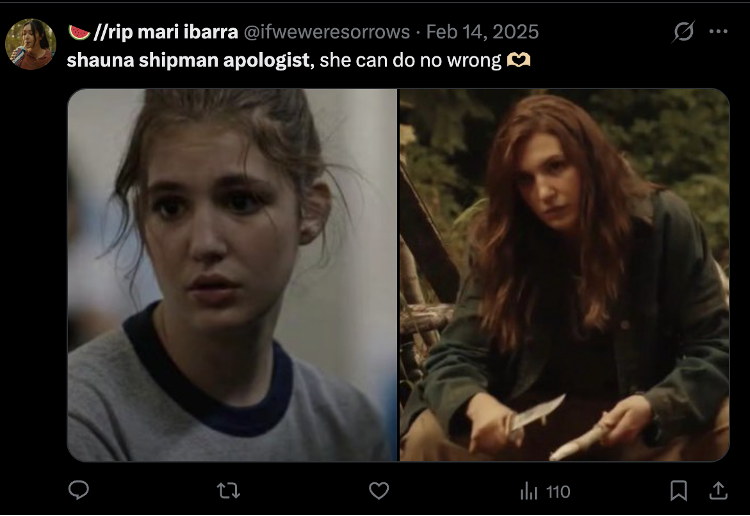
Shauna from Yellowjackets exists in this blurry middle ground between tragedy and appetite. Yes, she’s traumatised by everything that happens in the Wilderness. Yes, she’s shaped by repression and jealousy and years of swallowing resentment. But there’s also something terrifying about how Shauna not only quickly adapts to violence but enjoys it, takes pleasure in making others suffer. Like some dark, hidden part of her was waiting for permission.
That’s what makes queer fandom so drawn to her. Shauna doesn’t feel like a “strong female character” manufactured for empowerment discourse. She feels human in the ugliest possible way.
And honestly, I think queer audiences are especially receptive to female villains because queer identity already involves a complicated relationship with performance.
A lot of queer people grow up performing acceptability. Performing normalcy. Performing likability. So when a woman on screen completely rejects the need to be respectable? It feels oddly liberating.
That’s why characters like Cheon Seo-jin from The Penthouse: War in Life become icons despite being objectively terrible people. She’s excessive. Camp. Operatic. She screams, cries, destroys lives, has mental breakdowns in couture, and enters scenes like she’s arriving at the Met Gala of evil.
And queer fandom understands camp instinctively.
Which is also why I, someone who generally cannot stand more than 10 minutes of Indian soap operas (because most of them are outdated and at times misogynistic!), still understand the appeal of Komolika from Kasauti Zindagi Kay. The dramatic eye makeup. The absurd plotting. The confidence of a woman who walks into a room knowing she’s about to ruin someone’s life. That’s drag. That’s theatre.
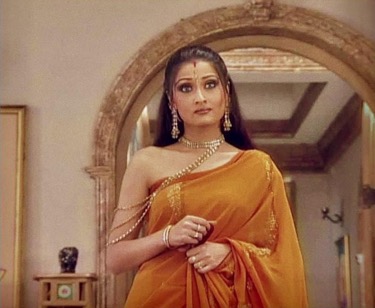
Looking back, Indian TV accidentally trained an entire generation to appreciate camp villainy. I remember being genuinely frightened of women like Komolika as a kid while also thinking they were the coolest people in the room. The dramatic makeup. The absurd confidence. The way they treated everyday family conflict like a Shakespearean war. They weren’t realistic women. They were performance art.
The point is not that queer fandom thinks these women are role models. The point is that they’re allowed to be complicated.
Not “girlbosses.” Not empowerment TED Talks with good lighting. Not perfectly digestible feminist icons designed for brand-safe social media graphics.
Just messy women.
Women who want too much. Feel too much. Destroy too much.
And maybe that’s why queer audiences keep returning to them. Because queer people know what it feels like to be called “too much” simply for existing. And there’s something cathartic about watching a woman stop apologising for it entirely.
