


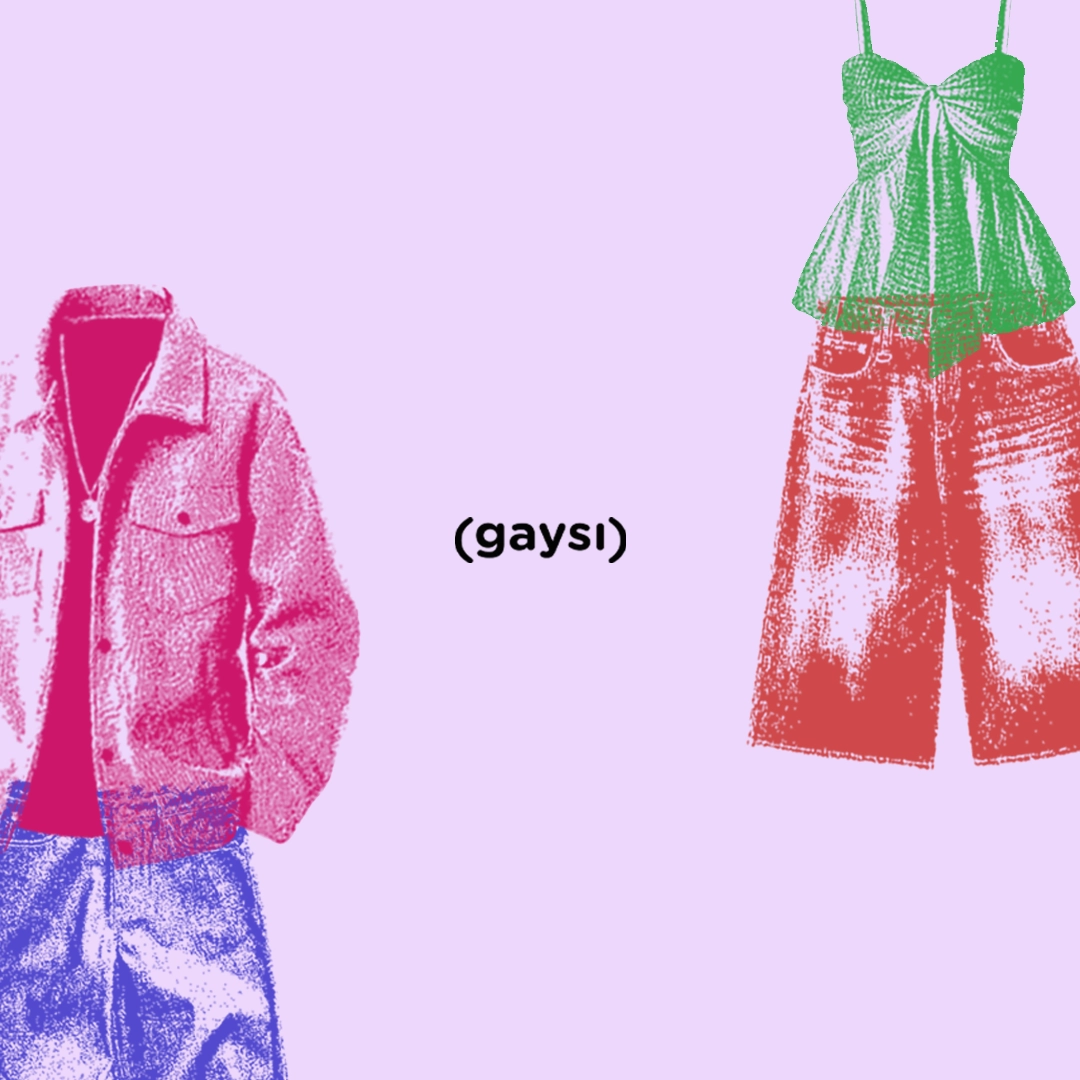
Over ten years of sharing a wardrobe. Back at the beginning we never really discussed our gender identities with each other, but simply found it convenient and exciting, in the way siblings borrow from each other. Prince was a thin creature and I a plump one. Out of love, they’d readily buy clothes in my size, and often the pants (easily four sizes larger, as I generally prefer baggy clothing) would nearly fall off their patli kamar (resonating with the initials PK).
As they shared a wardrobe with their father and brother back then, one was also excited with this newer reality of having access to more masculine clothing (my own father being 6 ft 3 had always posed barriers of length).
Over the years, we met each other halfway in terms of size. As we grew as individuals and discovered and accepted newer parts of ourselves, the colours grew brighter and more diverse. Thrift shopping in Delhi had its advantages of offering quirky, often unique finds (the 100 ka 3 Sarojini piles back then will forever be missed). Now the Rs. 50 clothes thelas in Fancy Bazaar provide some solace.
It must be said here that living in Tezpur makes dressing authentically easier. Delhi, Punjab, Panipat, Jammu, or even Guwahati (among the places we have inhabited separately or together) were not quite as accommodating. These ranged from violating gazes to homophobic comments to the palpable threat of bodily harm as policing, encountered in different degrees.
There have also been times when not just family, but friends (whether close or middling) too have made one feel out of place (perhaps unintentionally). Even in the accepting diversity of Pride Walks, the feeling of othering would not disappear. One’s insecurity about not being aesthetically feminine enough or masculine enough to be complimented would linger. Alok Vaid-Menon and their non-binary style, which has always defied normative ideas of pretty/cool/stunning, helped overcome a lot of this insecurity or feeling out-of-place.
Even when most of us affirm that clothes have no gender, the socio-historical formations of the gender binary, gender presentation, and acceptance/censoring cannot be easily sidelined. Even now, wearing a mekhela chador for an occasion will get me more compliments than my colourfully mismatched shirts or baggy pants. On such days, the sting undoes the self-acceptance. Additionally, having a cis, relatively feminine twin sister does not help matters. In the past, queer masc women in our overlapping social circles would interact virtually, with interest. But often, after learning the answer to “So which one are you?”, they would express disappointment that I was not she. Masc for masc is apparently rare in our dating world.
However, since the past year, coming out more, in terms of sexuality and more so gender identity, has helped strengthen the sense of self. Prince and I have learnt to be more us. I have learnt to be more me.
Future goals: to grow old in a queer commune where the other residents would love sharing a wardrobe too.
