


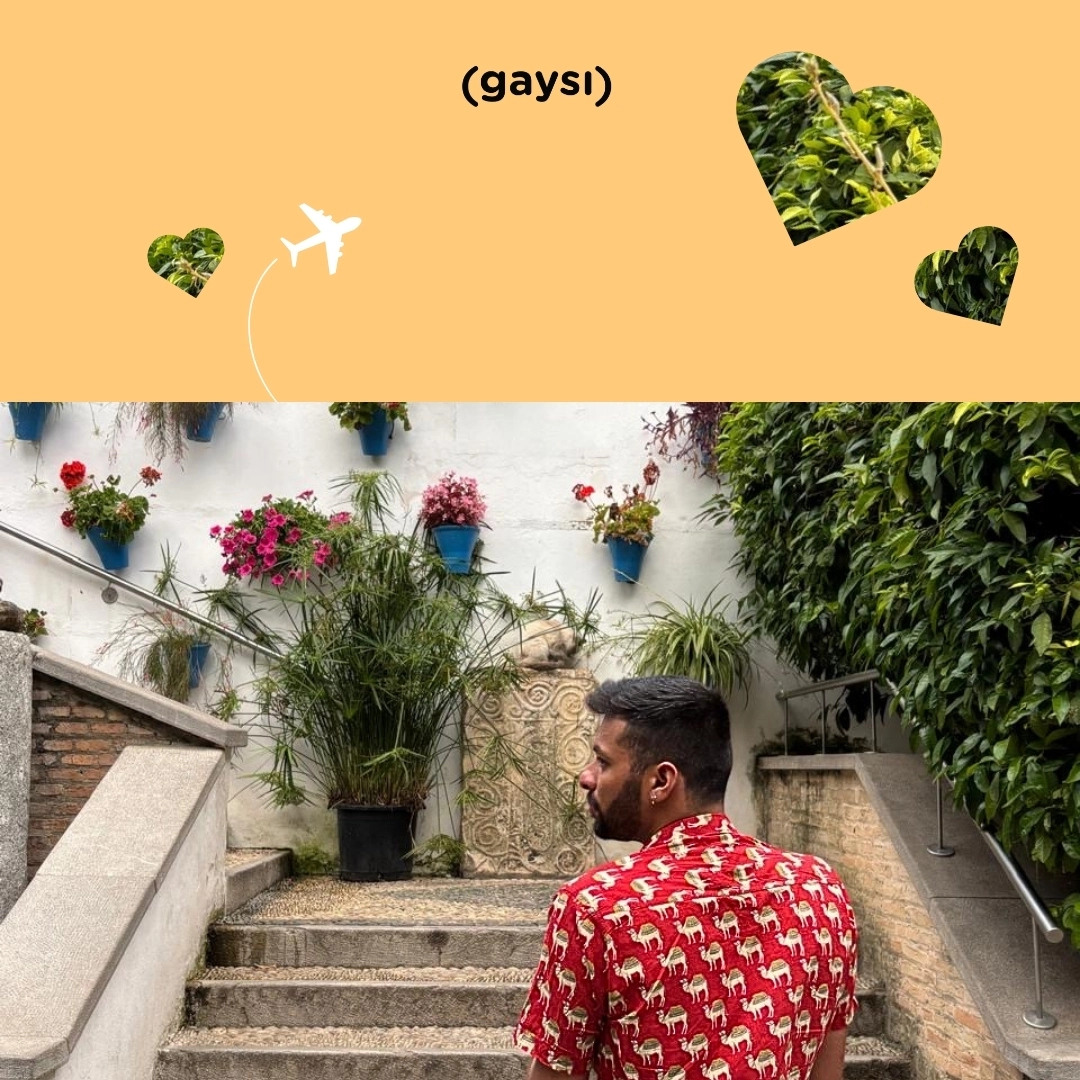
I vividly remember walking through Plaza de las Tendillas in the city of Córdoba, my hand tucked under the arm of the man who holds a piece of my heart. As we passed through a bustling street, we shared a kiss and realised that we were not being gawked at, mocked, or smirked at. It was in that very moment that I was overcome with gratitude, satisfaction, and a deep sense of anxiety.
Gratitude and satisfaction for what this exquisite city and the beautiful human being by my side had conferred upon me: the mundanity of expressing my love, free from the purview of hatred, mockery, or even the perception of unconventionality. Anxiety for the farewell I would soon bid to this state of queer normalcy, which had brought profound comfort to my defensive and apologetic self, as I prepared to return to a place where I remained hidden, yet constantly conscious of the eyes scrutinising me.
The more I reflect on it, the more convinced I become that my yearning to return to Spain cannot be attributed solely to my desire to reunite with my partner. It is also a yearning to exist in my queerness without standing out, without perceiving my identity and its expression as something niche.
So, beyond being a place of quiet acceptance and unremarkable love, what is it that made Spain a queer cultural haven for me?
Like many of us who move to Spain, I looked forward to immersing myself in the pulse of the country’s queer life. Unlike those drawn to the better-known queer destinations such as Barcelona, Madrid, and Sitges, I was more eager to explore life in the smaller cities and towns of the south, particularly in the autonomous community of Andalusia, where I was residing. That said, it must be acknowledged that Madrid’s neighbourhood of Chueca more than lives up to its reputation for vibrancy, diversity, and its delectable gastronomic offerings. A simple stroll through its streets is enough to immerse you in its alternative atmosphere and discover its cosy little corners.
One of my favourite discoveries in Spain’s nightlife in the south was a bi-bollera (bisexual–lesbian) club in Granada that was absolutely petao—packed to the brim—and, as a friend described it, smelled of “perfume and vegan farts.” What made the place memorable, however, was not simply its atmosphere but the sense of solidarity between the bisexuals and the lesbians that animated it, the significance of which found its way into one of my favourite reads from Spain: Resistencia Bisexual: Mapas para una disidencia habitable by Elisa Coll, a book that has since become my own bisexual bible. Here’s hoping an English translation arrives soon because this is one manifesto that deserves to travel! Another unforgettable first that Granada gifted me was experiencing my first live drag performance in an intimate underground club, buzzing with anticipation for one of Spain’s most celebrated drag queens, Kika Lorace.
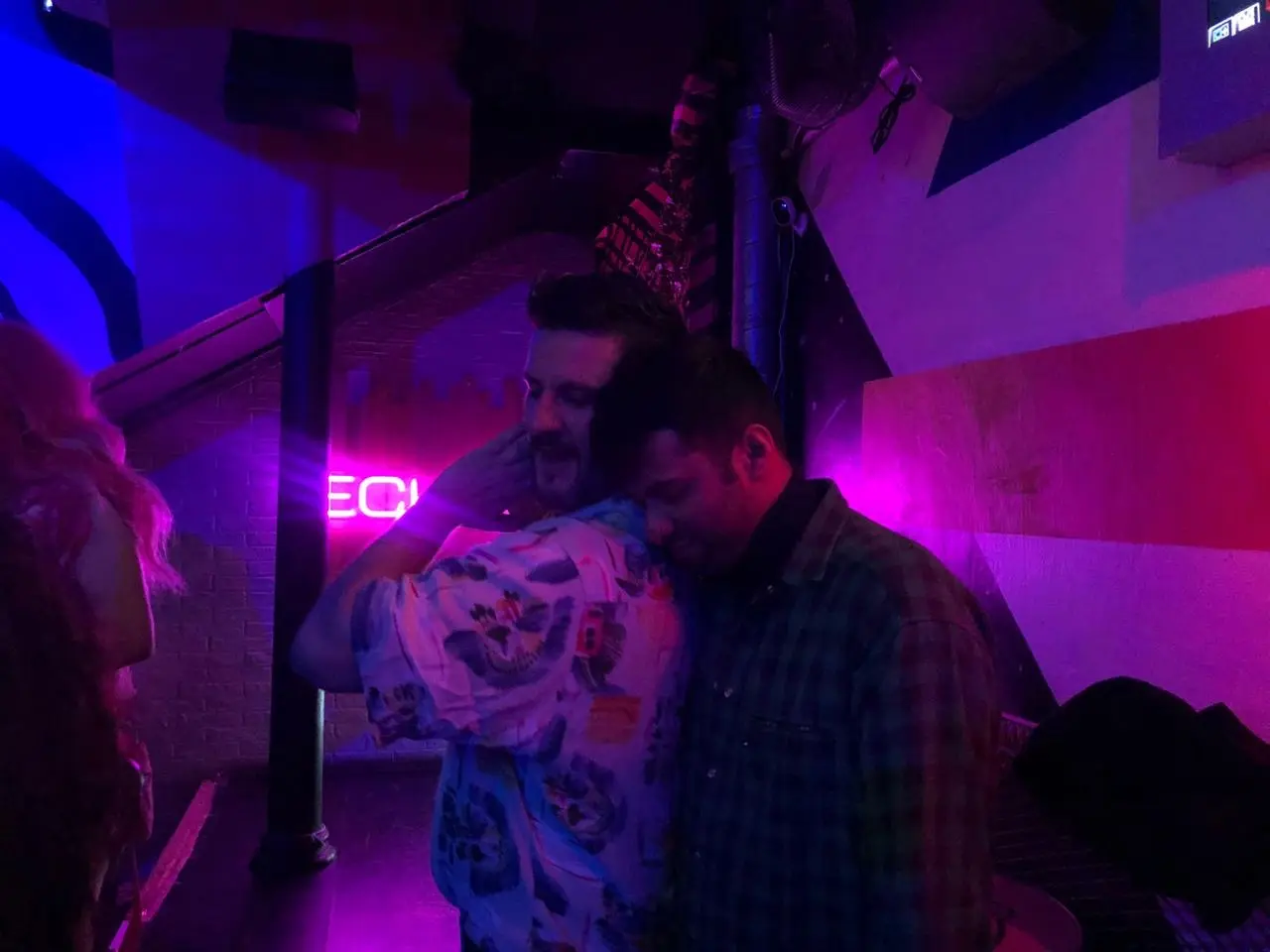
The confluence of cultures in the multifaceted city of Granada, coupled with its flourishing and unapologetically vibrant queer scene, reveals a city whose soul is rooted in inclusivity. It is endowed not only with breathtaking architecture but also with bohemian neighbourhoods, an abundance of quaint little bookshops, eclectic thrift stores brimming with effortlessly chic finds, and electrifying gay nightclubs, all of which make Granada a living testament to self-expression and diversity. I wondered how the same spirit extends to its culinary landscape as well, as I sat in Papas Elvira, a tiny, unassuming eatery tucked away in the heart of the city serving some of the most inventive and comforting vegan food I have had in Europe.
This captivating exuberance of Granada was preceded by the sun-drenched patios, the flower-laden balconies, the winding streets and the utterly hospitable people of the city of Córdoba; an Andalusian city that quietly claimed my heart, a transformation which, in hindsight, I owe primarily to the person I fell in love with, whose lens transformed the city from a mere destination into my safe space. I was introduced to a side of Córdoba that exists beyond its postcard image: its fiercely compassionate, grassroots queer community.
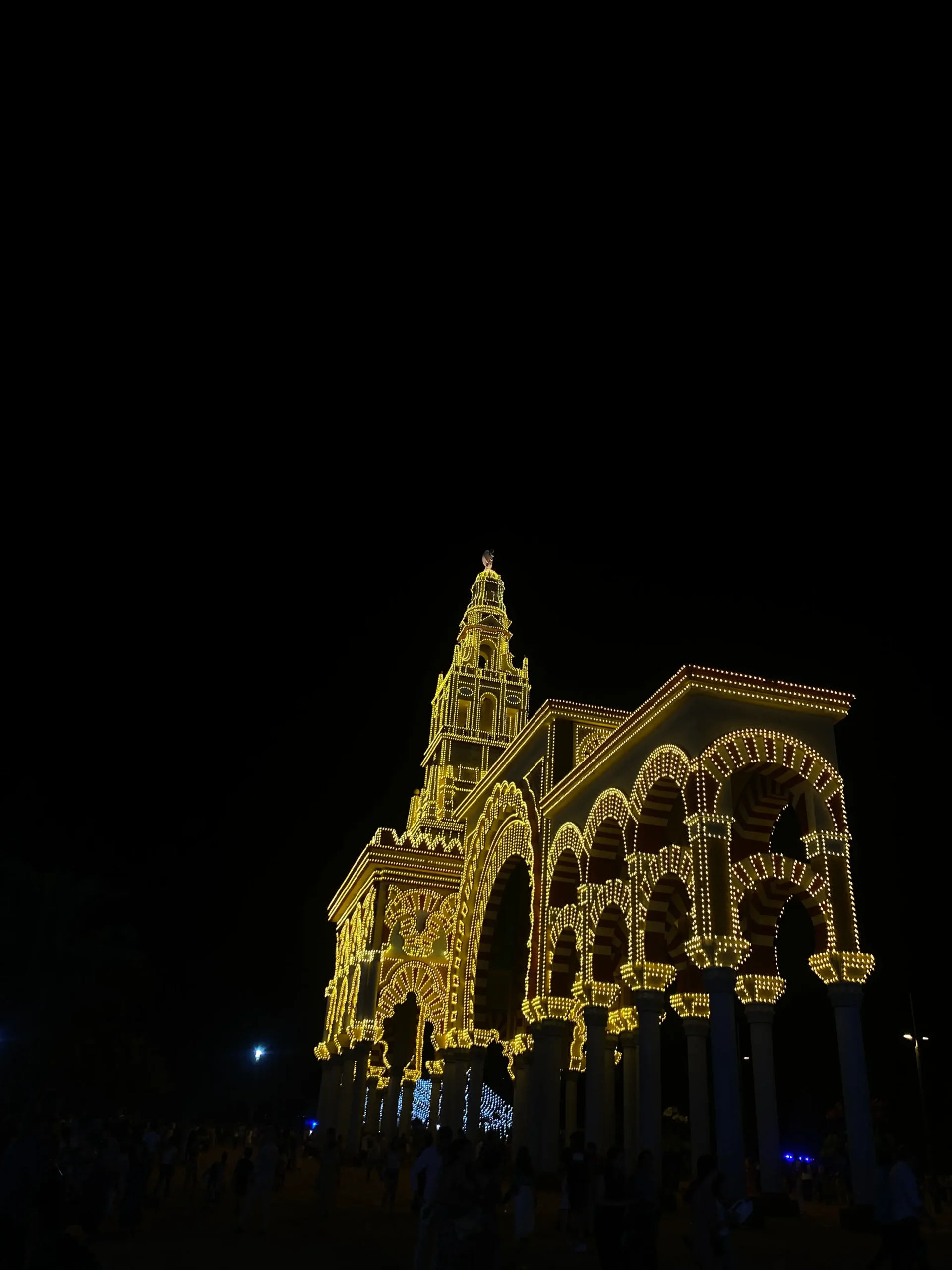
The musical bingo organised by the queer and trans collective La Rata in an abandoned school, repurposed as a shelter for immigrants and a space for celebrating queer joy, together with the alternative and inclusive perol held during the local festival of Las Cruces at Juan XXIII, made me realise that these were not merely communal spaces but living embodiments of solidarity, where queer activism intertwined effortlessly with everyday life. Similarly, at the city’s Feria, a spectacle not to be missed, their queer casetas became vibrant refuges where identity, community and festivity converged. In Córdoba I came to understand that joy itself is the most enduring form of resistance and does not exist in opposition to activism.
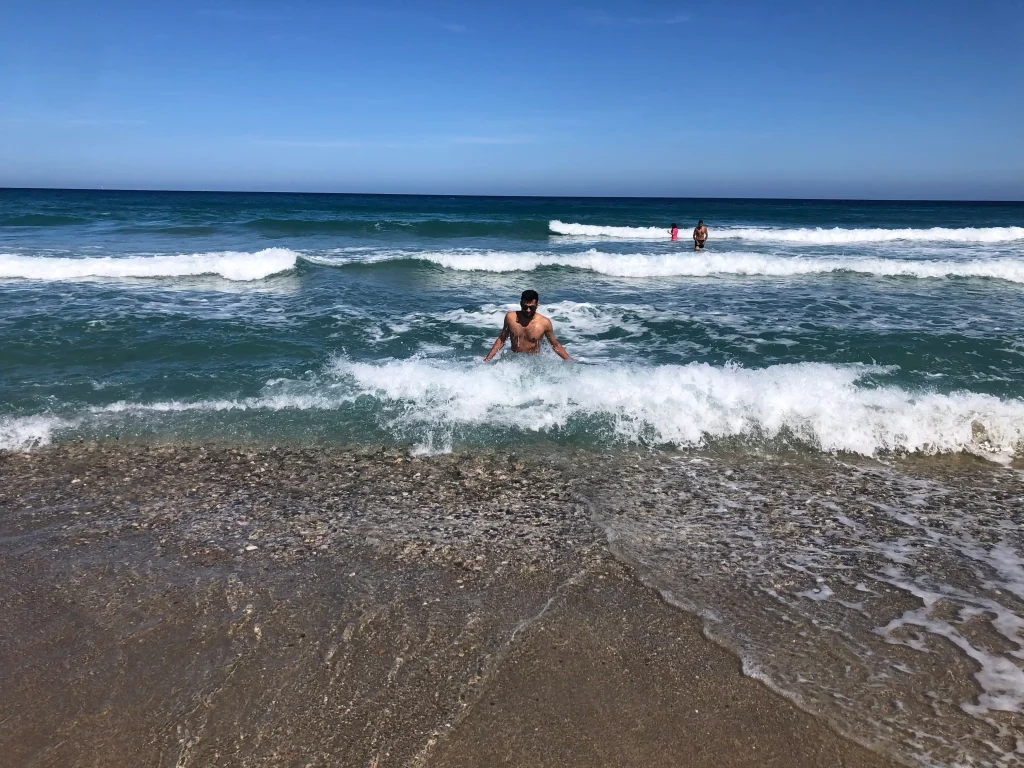
If Córdoba taught me that love could transform a city, the dramatic volcanic landscapes and crystalline waters of Cabo de Gata invited me to inhabit my body without apology as I found myself living in the nudist neighbourhood of Vera. Walking through the neighbourhood and the beaches unclothed as the only non-white person, stopping for a drink at the local chiringuitos, lingering over lunch with the sea breeze on my skin, and sharing those unguarded moments with my partner felt strangely ordinary in the most extraordinary way. As cliché as it may sound, there was something deeply liberating about shedding my quiet self-consciousness I had unknowingly been carrying along with my vestments.
Looking back, I would not describe Spain as a journey of self-discovery but rather as one where my self-expression found a worthy abode of belongingness and left me with an insatiable desire to replicate that reality in my home country. To me, Spain was queer utopia through and through—not merely because of its celebrated Pride parades or the glittering queer districts of its largest cities, but because queerness had quietly seeped into the fabric of everyday life. It is there, beyond the mainstream, that I found the Spain I long to return to.
[Read more about: Spain, Where Diversity Lives: Why It’s One of the World’s Most LGBTQ+-Friendly Destinations]
