


As a fat girl, I grew up learning a very specific lesson from television and movies: girls who looked like me were not supposed to be desired.
We could be funny, helpful, nurturing and the best friend who gives relationship advice, or the creepy villain. But sexy? Desired? The object of someone’s genuine romantic obsession? That was reserved for other women. The fat girl existed on screen, but rarely as a full human being. Instead, she was a punchline.
Think about characters like “Fat Amy” from the Pitch Perfect franchise. Rebel Wilson is undeniably funny, but the joke often felt inseparable from her body. Her size became part of the comedy package itself. Even later projects like The Hustle continued Hollywood’s long tradition of positioning large women as eccentric comic relief rather than fully realised romantic or sexual beings. For decades, fat women were expected to compensate for not fitting conventional beauty standards by becoming entertaining.
And if they weren’t funny, they were monstrous.
One of the most uncomfortable examples I remember is Janice from one of my all time fave series Mr. Robot. She isn’t villainous because she is fat, but Hollywood has a long history of attaching larger bodies to unpleasant women, making fatness feel like visual shorthand for greed, excess, cruelty or social awkwardness. Fat women who were either embarrassing or terrifying but rarely ordinary.
Academic research has repeatedly found that television and film portray fat characters through stigma, ridicule and stereotypes rather than complexity. Fat characters are frequently used as the target of jokes, while fat women in particular are often denied romantic and sexual agency altogether.
This wasn’t limited to Hollywood either.
Indian cinema and K-dramas have their own gallery of the “funny fat friend” (like Sweetu in Kal Ho Naa Ho) or the “cautionary tale fat girl” characters, alongside countless stories where plus-sized women exist only to learn confidence, lose weight, or become lessons for thinner protagonists. As critics have noted, plus-sized characters are frequently depicted as unhealthy, undesirable, desexualised or reduced to comic relief.
The message is always the same: your body is the plot. Not your ambitions, your personality, your love life. Your body.
Growing up, I internalised more of that messaging than I realised. There is something uniquely exhausting about watching hundreds of stories where women who resemble you are treated as everyone’s friend, but nobody’s crush. Everyone’s therapist but nobody’s fantasy. Everyone’s comic relief but never the romantic lead.
The cultural imagination seemed unable to picture fat women experiencing desire without turning it into a joke. Which is why the shift happening right now feels so significant.
Not perfect or complete, but significant.
Take Natasha Rothwell. Her work on Insecure and later The White Lotus represents something that used to feel impossible: a plus-sized woman allowed emotional complexity. Rothwell has spoken about wanting to move beyond the cliched portrayals traditionally given to larger women. Her characters are funny, yes, but they’re also vulnerable, ambitious, frustrated, hopeful, lonely and deeply human.
Then there’s Megan Stalter in Hacks.
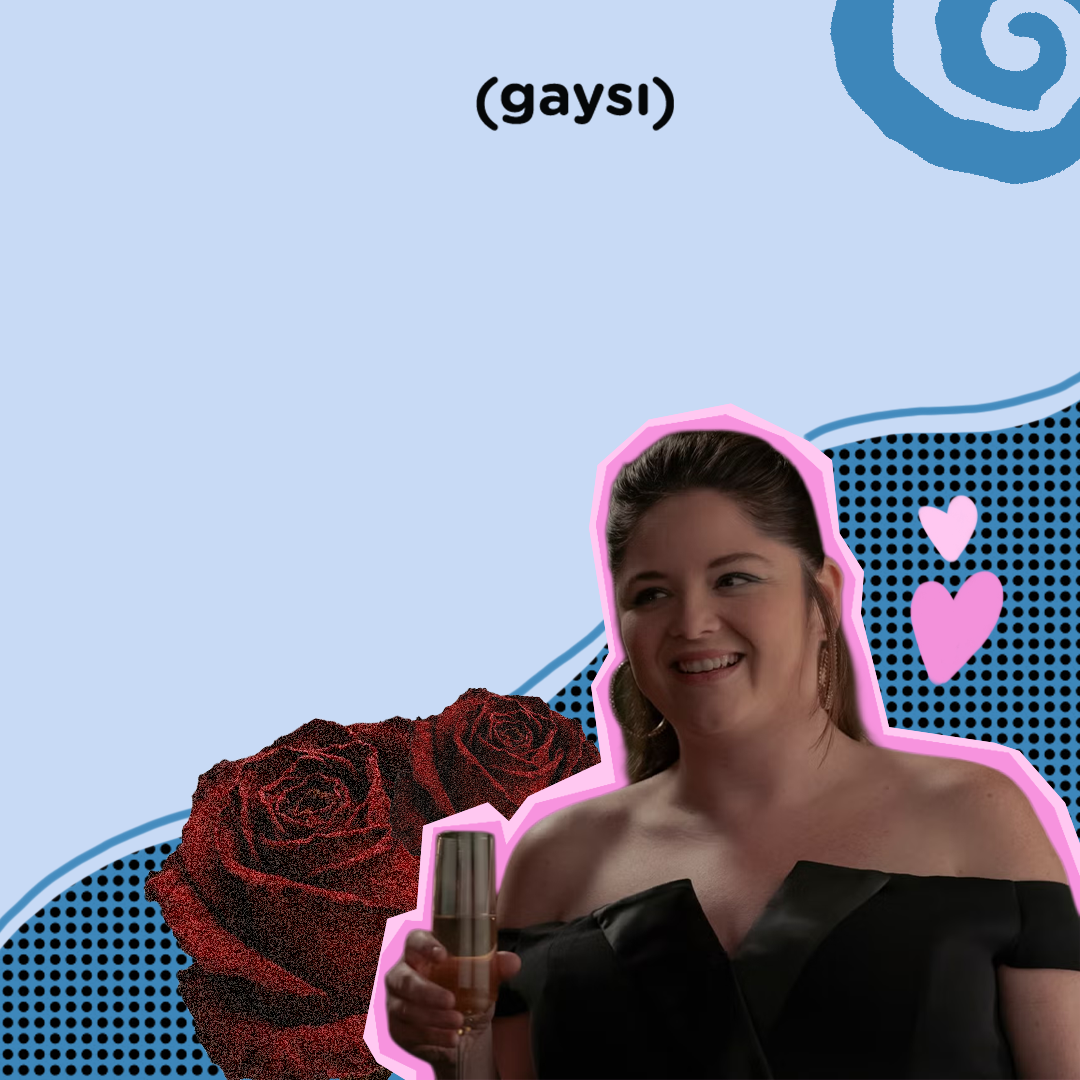
What makes her character Kayla refreshing isn’t that she’s a flawless role model. It’s that the show allows her to be messy, annoying, chaotic and weird without reducing her entire identity to her body. Thin women would have been allowed that freedom for decades. Fat women rarely have.
The same applies to Chrissy Metz in This is Us. While Kate’s story sometimes remained tied to her weight, the series also gave her relationships, family conflicts, ambitions, grief, joy and personal growth. It acknowledged that fat women have interior lives beyond their image.
And then there are women who simply exist while being fat. That sounds like a low bar, but historically it has been revolutionary.
Queen Latifah has spent years proving that plus-sized women can lead romantic stories. Barbie Ferreira brought a different kind of visibility to younger audiences through Kat Hernandez in Euphoria, a character whose confidence, sexuality and flaws existed simultaneously. Indian performers like Anjali Anand are also helping expand what audiences imagine when they think of a leading woman.
What connects these performances is not perfection, it’s permission. Permission for fat women to occupy the same narrative space that thin women have always enjoyed.
To be desired without the story acting shocked about it. To have sex without being framed as a punchline. To be attractive without undergoing a makeup montage. To be complicated without turning into a cautionary tale.
Research on media representation frequently points out that fat women are still vastly underrepresented on screen. When they do appear, they often remain trapped in old stereotypes. But those stereotypes are finally beginning to crack. And honestly? Good riddance.
Because the desexualised fat girl was never an accurate reflection of reality. She was the cultural invention. A story created by industries uncomfortable with the idea that beauty, attraction, intimacy and desire could exist outside narrow standards.
As a fat girl, I don’t need every plus size character to be confident all the time. I don’t need every story to be body positive. I don’t need every fat woman on screen to be likable.
I just want her to be allowed the same messy humanity as everyone else. For years, television and films asked fat women to settle for being jokes. Now, slowly, gloriously, that joke is dying.

Natalie Green on “The Facts Of Life” was a revelation to me. She was chubby. She also had a career as a writer and she was the first to lose her virginity. She had a fully developed storyline that was not centered on dieting.