


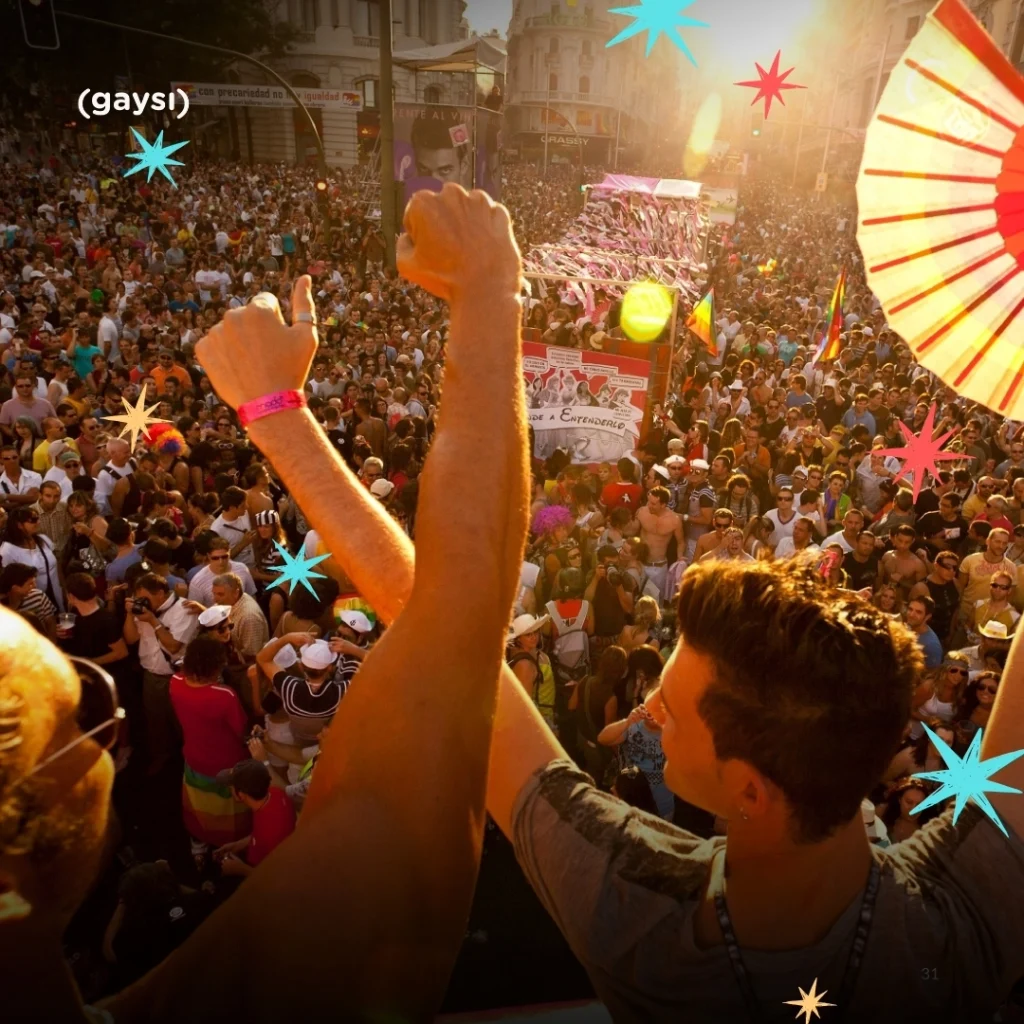
Every queer person has that one place they keep romanticising like it’s a crush. Mine is Spain. And no… it wasn’t football, Money Heist, or those “Top 10 European destinations” reels that got me here. It was Eurovision.
It was January 2022, when Benidorm Fest, Spain’s national selection for Eurovision, introduced me to some of the most iconic queer performances I’ve ever seen.
And as I was watching those performances. I was also quietly being introduced to a country where queerness is celebrated like crazy. This was the story of how Spain became the ultimate queer holiday I wanted to take. So, when my Schengen visa, annual leave, and bank balance finally align, here’s the dream itinerary I’m ready to make happen:
First Stop: Chueca, Madrid’s Gaybourhood
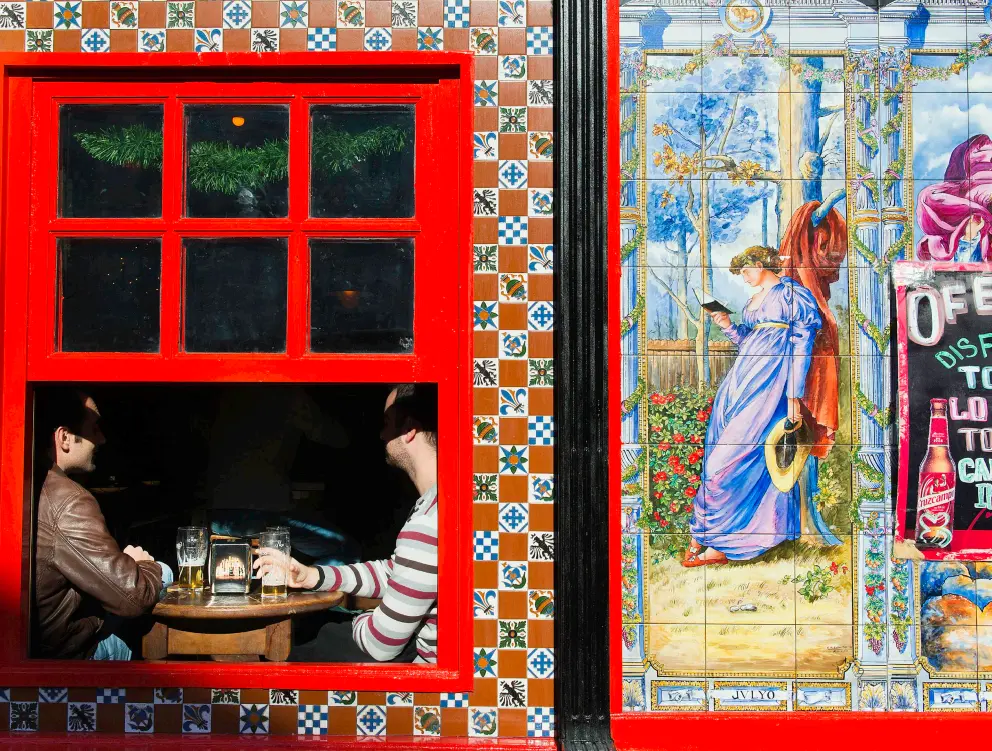
Forget the idea of a tiny street with one rainbow crossing and two bars. Chueca is an entire neighbourhood where queer cafés, bookstores, bakeries, boutiques, drag bars and clubs all coexist. One could probably spend an unhealthy amount of time café hopping here, pretending you don’t want to move onto every balcony overlooking Plaza de Chueca.
Chueca is also deeply connected to Madrid’s LGBTQ+ history and community. And during Pride, the neighbourhood goes full rainbow mode. Even Chueca Metro station gets a colourful makeover, because apparently Spain understands the assignment.
And then there’s MADO, Madrid’s massive Pride celebration. If I’m already flying halfway across the world, you best believe I’m timing my trip around Madrid Pride. We’re talking concerts, drag, parties, cultural events, film screenings, exhibitions, community spaces and hundreds of thousands of people celebrating across the city. It’s one of Europe’s biggest Pride festivals, but what I love most is that it doesn’t feel like a tourist attraction pretending to be queer. It feels queer first.
Madrid fills up with concerts, drag performances, cultural events, film screenings, exhibitions, parties and community spaces, with celebrations spilling through the city. It’s one of those places where you don’t really have to search for queer Spain. You just step outside. And suddenly you’re like… oh. There you are.
Sitges: Safe to Say… The Gay Capital
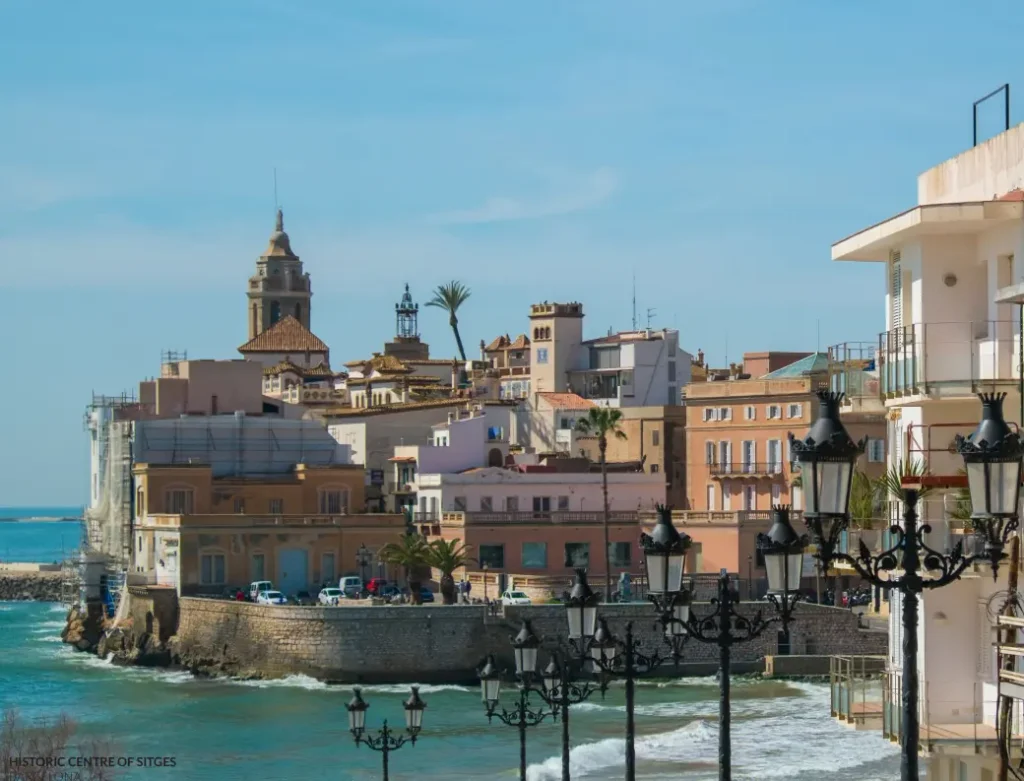
About 40 minutes from Barcelona is Sitges, a beach town that somehow became one of the biggest LGBTQIA+ destinations in Europe. And yes, the beaches are a big part of the appeal. But the more I fell down the Sitges rabbit hole, the more I realised that calling it just a gay beach town is doing it a little dirty.
The first thing is the old town, with its narrow streets, historic buildings and little squares. Sitges has a strong artistic and cultural side too, with museums and galleries scattered around the town. Basically, you can spend the morning being cultured and the afternoon being gay on a beach.
And then, of course, there are the beaches.
Platja de la Bassa Rodona is one of the best-known LGBTQ+ beaches in Sitges and is right in the middle of town. Platja dels Balmins is a little more relaxed and has long been popular with LGBTQ+ travellers, while Platja del Muerto is a more secluded option outside the main town. It is clothing optional, inhibitions optional, but sunscreen absolutely not optional.
Sitges also has a food scene worth making time for. There are plenty of restaurants, cafés and bars around the old town and waterfront, with Catalan food, seafood and local specialities making their way onto menus.
And then there is the queer calendar. Sitges Pride turns the town into one giant celebration, while Bear Week brings thousands of bears, cubs, otters and admirers from around the world for beach days, parties, shows and community events.
Also there is Es Cavallet in Ibiza, known for its Crystal-clear waters, dunes, beach clubs and one of the island’s best-known queer beaches and Maspalomas Beach in Gran Canaria, famous for its rolling sand dunes and lively LGBTQIA+ scene.
Next Stop: San Sebastián
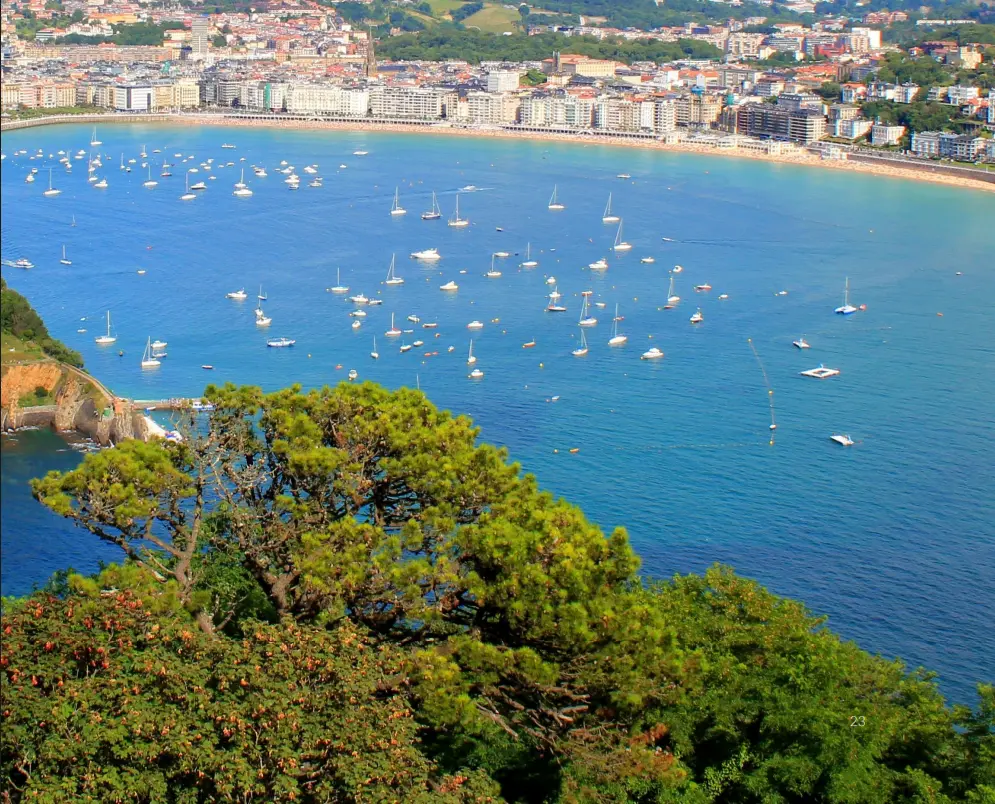
If Sitges is my beach fantasy, San Sebastián is where my inner food gay takes over. San Sebastián brings together pretty much everything I want from a holiday… a gorgeous coastline, a historic old town, neighbourhoods to wander through, a strong food culture and an LGBTQ+ scene that means I don’t have to sacrifice the gay agenda for the food agenda.
The Old Town, or Parte Vieja, is where people lose all self-control. It’s packed with pintxos bars, which means you can spend an entire evening walking from one place to another, ordering tiny plates of food. And then there is Gros, a neighbourhood known for its more relaxed, youthful atmosphere, surf culture and proximity to the beach.
San Sebastián’s queer side fits neatly into all of this. LGBTQ+ bars, spaces and community events sit alongside the city’s broader nightlife and food culture, so being queer here doesn’t feel like something you have to separate from the rest of your holiday.
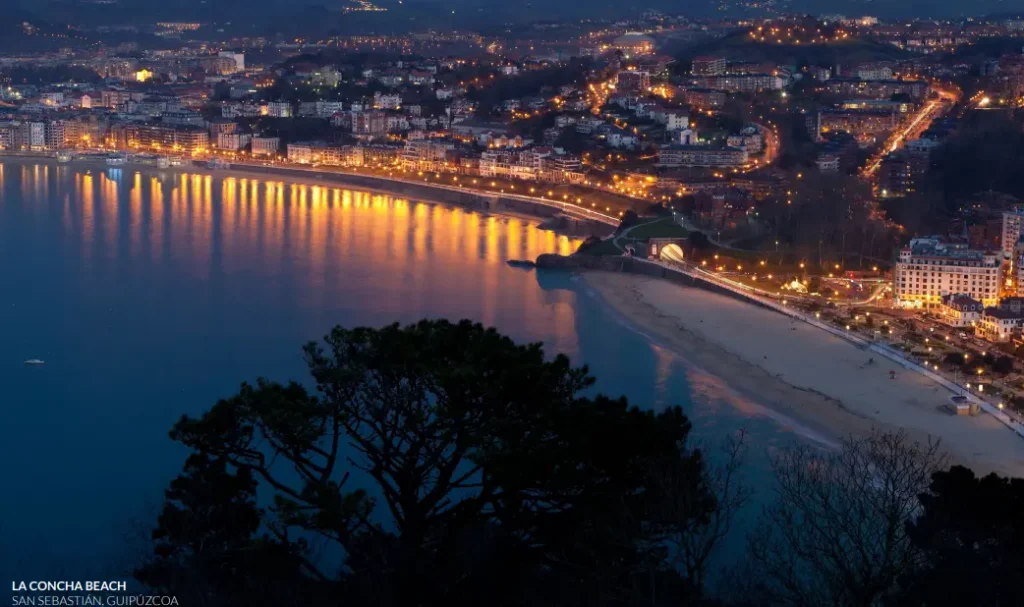
And when I need to walk off approximately 47 pintxos, there’s the coastline. There’s La Concha, one of the city’s most famous beaches, along with coastal walks and views stretching towards the surrounding hills and sea. You can also head out into the landscapes around the city for a little nature break.
Next Stop: Torremolinos
If Sitges is my beach gay era and San Sebastián is my food gay era, Torremolinos is where I let the nightlife gay take over. Torremolinos has several neighbourhoods that each show you a different side of the town.
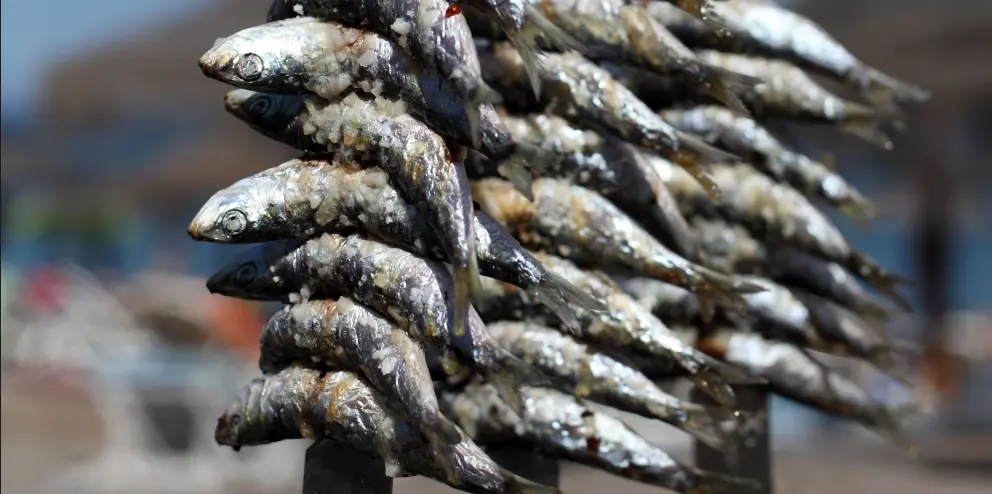
La Nogalera is the heart of its LGBTQ+ scene, with queer bars, clubs, restaurants and terraces packed around its pedestrian square. La Carihuela is a former fishing neighbourhood right by the sea. Its narrow streets, traditional houses and seafood restaurants give it a completely different feel. This is also where you should order pescaíto frito and espetos… sardines grilled over an open fire. And then there’s El Calvario, one of the town’s more traditional neighbourhoods, where you get a glimpse of everyday Torremolinos beyond the tourist strip.
After party at Ibiza
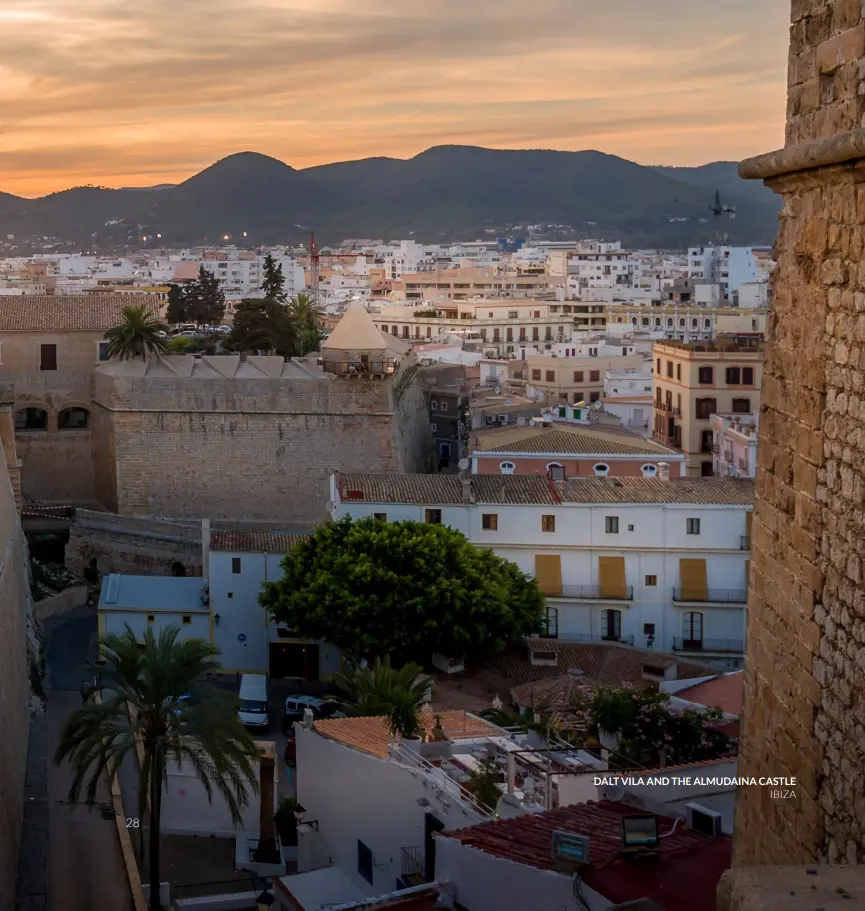
Okay, I know what you’re thinking. After party at Ibiza? Sounds strange, right? But hear me out.
Behind the nightlife, beach clubs and DJs, it is also an island full of tiny villages, pine-covered hills, Mediterranean landscapes and a surprisingly rich history.
Say Dalt Vila, the old fortified city of Ibiza Town. The historic centre is a UNESCO World Heritage Site, with old walls, viewpoints and buildings. Then comes inland. The island’s villages and countryside have a much slower rhythm, with whitewashed houses, local restaurants and landscapes that feel worlds away from the party crowds. There are walking routes, hidden coves and plenty of little corners to walk around and eat something delicious.
And then we can definitely make our way back to the queer side of Ibiza.
Gran Canaria & Tenerife
The Canary Islands were another one of those places I initially filed under “gay beach holiday” and then realised I had massively underestimated. Maspalomas is already legendary among LGBTQ+ travellers, thanks to its beaches, dunes and the huge queer scene around the Yumbo Centre. And yes, I absolutely want to see the famous Maspalomas dunes.
But I don’t want my entire Gran Canaria itinerary to end at the beach. The island has mountain landscapes, hiking routes, small towns and local communities that show you a completely different side of the destination.
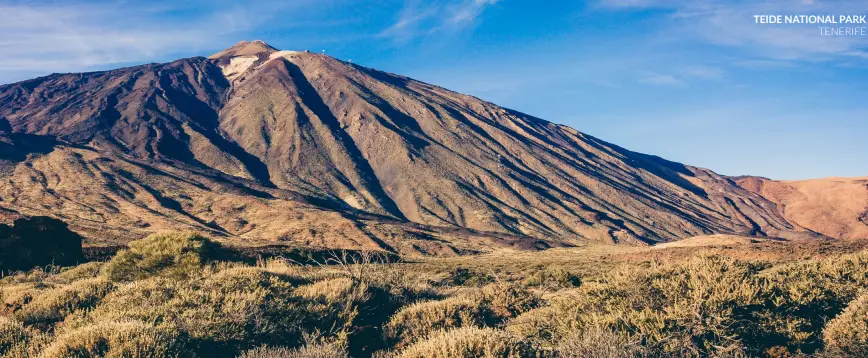
Then there’s Tenerife, which feels like an entirely different adventure.
First stop is the Teide National Park. It’s home to Mount Teide, Spain’s highest peak, and a volcanic landscape that looks almost unreal. There are hiking routes, viewpoints and huge stretches of volcanic terrain.
Then there is San Cristóbal de La Laguna, a historic city whose streets, architecture and cultural heritage offer a very different experience from Tenerife’s resort areas. Its historic centre is a UNESCO World Heritage Site. That’s what makes the Canary Islands interesting to me. Imagine a gay beach day at 2 p.m., and a volcanic expedition at 9 a.m. the next morning.
What About Drag?
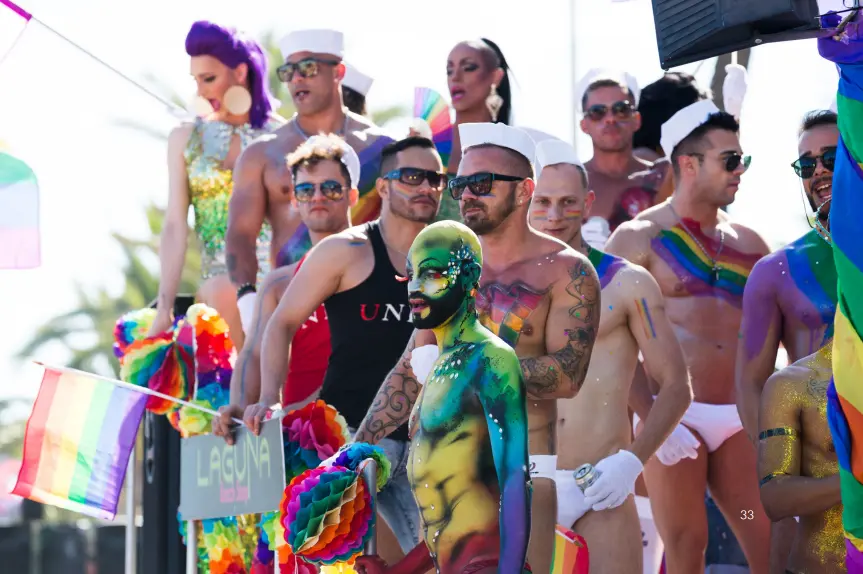
One thing I’ve noticed while falling down the Spain rabbit hole is how deeply drag is woven into nightlife. Not just during Pride but everywhere, from Madrid to Barcelona to Sitges, drag brunches, cabaret nights and late-night performances seem to be part of everyday queer culture.
In Madrid, venues like LL Bar and Black & White in Chueca are known for their drag shows and cabaret nights. Vuélvete Loca has become a staple of high-energy performances. In Barcelona, Believe Club regularly hosts drag performances, and The Black Room keeps the party going with themed queer nights.
When it is time for the Pride and Circuit Festival, the drag scene spills beyond clubs and onto bigger stages. And in Sitges, drag never stops. During Sitges Pride, queens take over the seafront stage with performances that draw crowds long after sunset.
But Most Importantly Queerness Doesn’t End Where The Metro Does
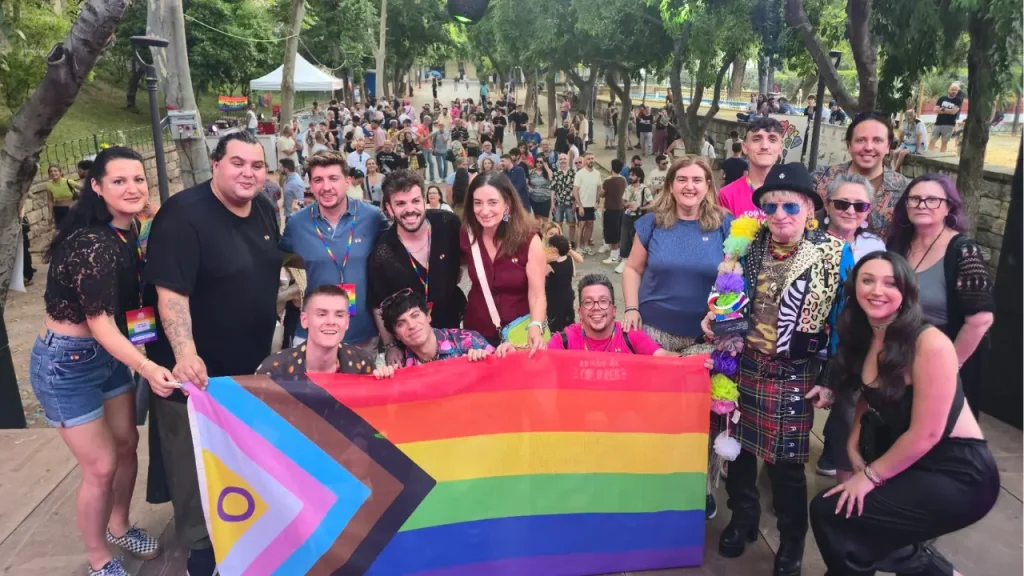
I personally have to code switch the moment the train leaves Kalyan. So very naturally, out of curiosity, I wanted to know if queer travel in Spain also meant sticking to the big cities and famous gay neighbourhoods.
Turns out, not really. Spain has an entire other side that I hadn’t really considered when I first started planning this imaginary trip: nature, rural stays, hiking routes, protected landscapes and Greenways.
Spain has around 140 Greenways, covering more than 3,500 kilometres, built along disused railway lines. There are also protected natural spaces stretching from mountains and forests to wetlands and coastlines
And then there is rural Spain with small towns, mountain villages, countryside stays and local food. Long walks where the only thing on the itinerary is figuring out where the trail goes next.
For a queer traveller, I think that’s an interesting side of Spain to discover. Because a queer holiday doesn’t always have to mean finding the nearest gay bar. Sometimes it’s staying somewhere surrounded by nature, and just getting to exist without having to make the whole trip about being queer.
And that, weirdly enough, might be one of the things I’m most excited about. Give me the Pride parade, obviously. But also give me a tiny countryside stay where my biggest problem is deciding whether today’s hike deserves a post on the grid.
Spain Has A Full Calendar
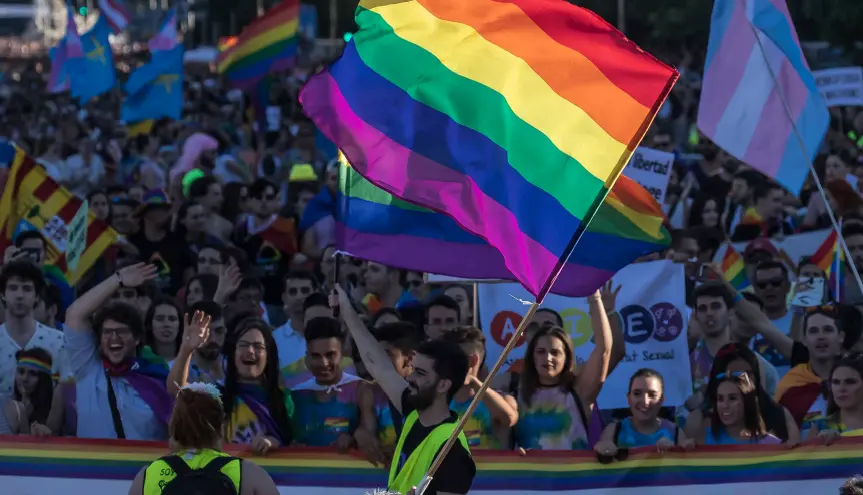
This is probably my favourite part about Spain. Its queer calendar isn’t just one massive Pride parade once a year. There are celebrations, festivals and events happening across different cities, islands and communities, and each one seems to have its own flavour.
Bear Week, Sitges
Every September, Sitges becomes a temporary home for bears, cubs, otters, admirers and basically anyone who has ever looked at a hairy man and gone, “yup.” There are beach days, themed parties, live performances and community events happening across the town.
Imagine the Grindr grid there. Hehe.
Circuit Festival, Barcelona
Then there is Circuit, one of the world’s biggest international gay festivals. Yes, there are massive parties and DJs, but there are also pool parties, beach events and the legendary water park day at Illa Fantasia. Thousands of people spend the day going from water slides to wave pools to dance floors before heading back into Barcelona for another night.
ELLA Festival, Mallorca
For the queer women, non-binary people and trans communities, there’s ELLA Festival in Mallorca. It brings together music, art, talks, wellness, networking and parties, making it feel less like one giant club night and more like a queer holiday-within-a-holiday.
Drag Queen Gala, Las Palmas de Gran Canaria
And then there is the Drag Queen Gala during Carnival in Las Palmas de Gran Canaria, where queens compete in spectacular, theatrical performances in costumes that can be absolutely enormous. The gala is a major part of the city’s Carnival celebrations and is watched by audiences far beyond the island.
Los Palomos, Badajoz
Los Palomos in Badajoz brings music, cultural activities, performances and queer visibility to Extremadura, showing that Spain’s queer calendar isn’t limited to the destinations that already have a reputation for being gay.
Maybe That’s What Makes Spain So Queer
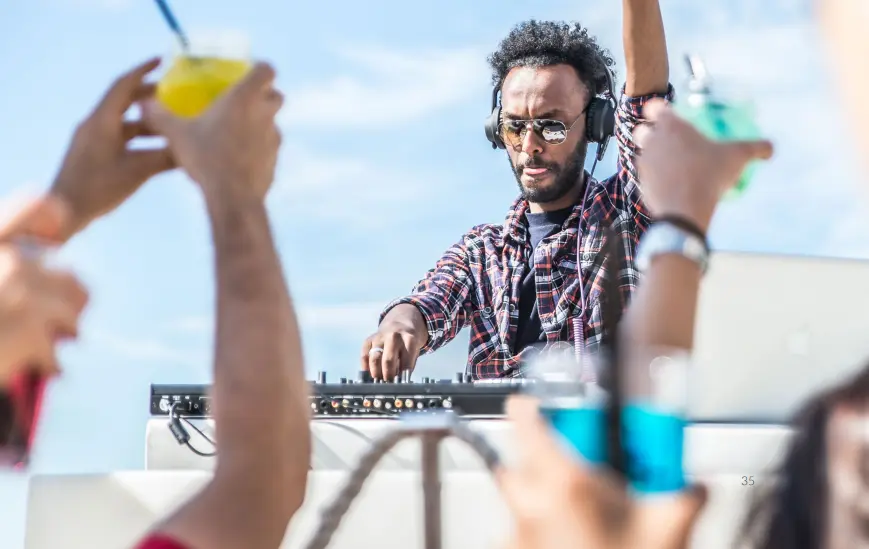
The more I look at Spain, the more I realise that what I want isn’t really one particular kind of queer holiday. I want all of it.
You can start in Madrid, wandering through Chueca and end up at some random LGBTQ+ festival in a Spanish city I had to Google five minutes earlier.
Queer travel here doesn’t need to have one template. It can be many things. So yes gaybies, Spain is my crush… even more than when I first discovered it through Eurovision. And all the readers, please manifest for me that one day, I’ll stop saying “when I go to Spain” and start saying “when I was in Spain.” Until then, I will keep watching Benidorm Fest. Ummah.
Image credits: ©️ Turespaña | ©️ Fundación Triángulo | ©️ Somos de Colores
[Note – As part of Spain, Where Diversity Lives, a campaign by Tourspain in India in collaboration with Gaysi Family, we hope to offer something more than a travel guide. We hope to create space for curiosity, conversations, and inspire diverse journeys.]
