


I have published over ninety pieces, ranging from newspaper articles and research papers to book chapters and personal essays.
I have written about law, identity, politics, and justice. I have proudly shared those articles on my WhatsApp status, Instagram stories, and every other platform that allows a healthy amount of academic self-promotion. I have accepted congratulations from relatives who probably never read beyond the headline. I have enjoyed the occasional “Very proud of you beta” message that follows publication.
This article is different.
I know I will share this article too. I also know that I will be using the “exclude contacts” option on WhatsApp with a level of strategic precision usually associated with diplomacy.
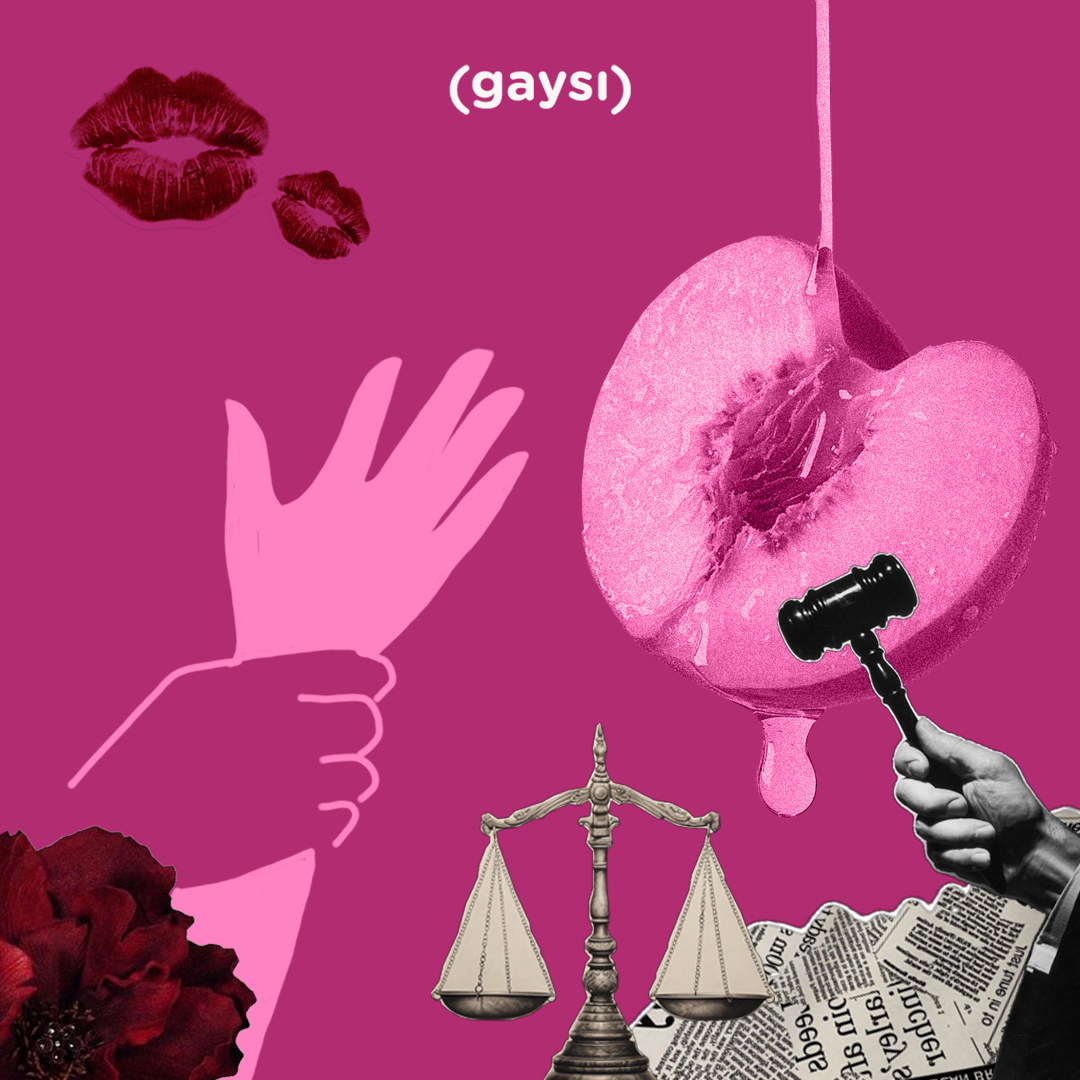
The strange thing is that I did not stumble upon this topic while watching a particularly enlightening Netflix series or having a scandalous conversation over drinks. I came across it while going through literature related to the history of Section 377 for my PhD. Somewhere in that reading, I encountered Khanu v Emperor, a 1924 case where judges were trying to determine whether oral sex amounted to “carnal intercourse against the order of nature.”
The language of the judgment was extraordinary. Oral sex was described as the “sin of Gomorrah.” The discussion was filled with concerns about morality, corruption, vice, and the dangers of exposing young people to sexual knowledge.
One suspects these judges would not have survived a single episode of Sex Education. Had they encountered modern dating apps, they may have resigned from public life altogether.
History, it turns out, has a sense of humour. Because somewhere between colonial courtrooms and contemporary group chats, oral sex stopped being an unspeakable vice and became, for many people, a fairly ordinary part of intimacy.
Ordinary might actually be understating it. People joke about oral sex in stand-up specials and discuss it on podcasts. Relationship advice columns treat it as a matter of compatibility. Dating apps are full of coded references to sexual preferences. Flavoured condoms exist because manufacturers recognise that oral sex is common enough to require its own safety products. Pornography has transformed it into one of the most recognisable sexual acts in the world. The remarkable thing is not that people engage in oral sex. The remarkable thing is that many people struggle to imagine contemporary sexuality without it.
And yet, writing this article made me deeply uncomfortable.
I have written about discrimination. I have written about constitutional rights. I have written about violence. But an article with the words “going down” in the title suddenly had me wondering whether my extended family really needed access to my WhatsApp status.
Shame is strange that way. We inherit it before we even understand what it means. We learn which subjects deserve public discussion and which should remain hidden behind euphemisms and awkward silences. We can debate constitutional morality with confidence while struggling to say the word “pleasure” without lowering our voices.
Pleasure remains suspicious, especially pleasure that cannot justify itself through reproduction. For a very long time, sex has been expected to defend itself. Marriage made it respectable. Children made it meaningful. Love made it acceptable. Anything except the possibility that people might simply enjoy it. Anything except the possibility that pleasure itself matters.
There is something profoundly unsettling, at least for traditional moral frameworks, about the idea that human beings may seek intimacy not because they wish to create life but because they wish to experience it. Oral sex sits firmly within that discomfort. It is difficult to argue that it exists primarily for reproduction. It belongs to the worlds of pleasure, intimacy, trust, experimentation, affection, and desire. Perhaps this is what has always made people uneasy. Oral sex refuses to perform respectability. It is difficult to dress it up as duty. It resists being explained away through reproduction. It insists, stubbornly and unapologetically, that pleasure matters too.
The things we call unnatural often reveal less about nature and more about our discomfort. Women’s pleasure has long been dismissed or ignored. Queer pleasure has been criminalised. People whose experiences fall outside conventional scripts have been told that they are confused, broken, or incomplete.
The problem has never been the diversity of human sexuality. The problem has been our insistence that everyone fit into the same story.
For a long time, I thought I might be asexual. The narratives people shared about attraction often felt distant to me. I understood companionship and affection, but the urgency with which others described sexual attraction was something I struggled to recognise in myself. Then I discovered demisexuality. Suddenly, there was language for experiences I had spent years trying to understand. There was relief in that discovery. There was also joy. Learning more about sexuality, not just academically but personally, taught me that there is no correct way to experience desire and no singular script that everyone must follow.
History has repeatedly embarrassed that kind of certainty.
After all, this is the same society where people once described oral sex through the language of Gomorrah and now discuss it through memes, podcasts, and relationship advice columns.
Human bodies did not change. Human desires did not change. The stories we told about them did. What one generation buries beneath shame, another generation discusses over brunch. What one generation calls unnatural, another generation incorporates into dating profiles. Perhaps the lesson is not that we have finally figured sexuality out. Perhaps the lesson is that certainty deserves suspicion. Especially when it comes to other people’s pleasure. Especially when it comes to identities we do not understand. And especially when we mistake our personal comfort for universal truth.
So yes, I will share this article. I will almost certainly hide it from a few relatives.
Some battles are ideological. Others are logistical.
But I refuse to be embarrassed by an article that asks us to think honestly about pleasure, especially when we have become so comfortable discussing everything except the fact that people seek intimacy because it can be joyful. I refuse to pretend that discussions about sexuality should only revolve around danger while carefully avoiding desire. I refuse to believe that reproduction is the only respectable reason people seek intimacy.
If writing my PhD thesis has taught me anything, it is that moral certainty ages badly.
If understanding my own sexuality has taught me anything, it is that language can be liberating.
And if writing this article has taught me anything, it is that no amount of academic training prepares you for the possibility of your relative replying to your WhatsApp status with, “Very informative beta.”
