


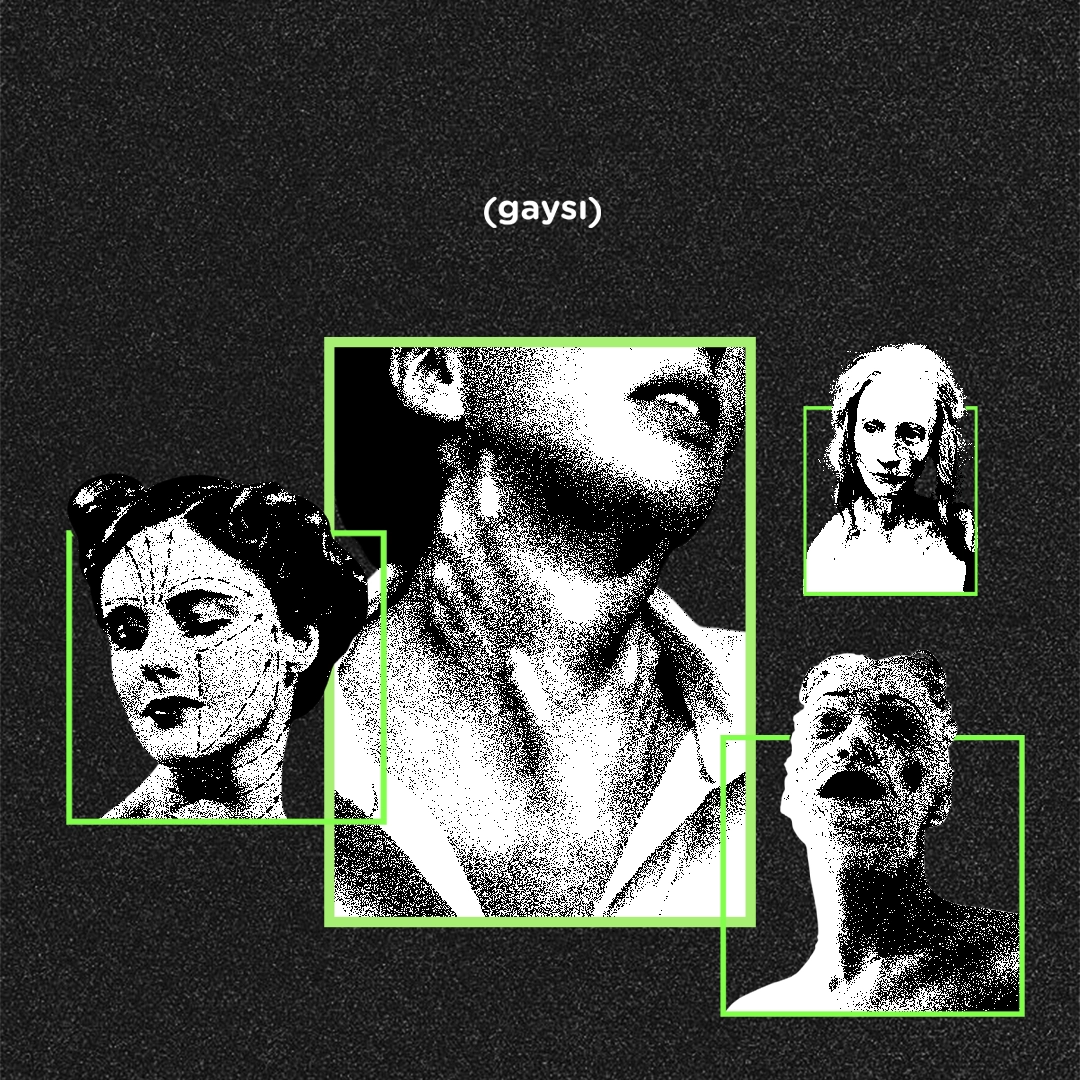
Nobody warns you that “becoming your best self” can start feeling like body horror. One day it’s skincare. Then it’s calorie counting. Then it’s staring at old photos of yourself like they belong to somebody else. Somewhere between gym culture, TikTok beauty trends and “glow-up” content, self-improvement quietly becomes self-surveillance.
Which is probably why body horror feels relatable right now.
Films like The Substance, Black Swan, Titane, Helter Skelter, In My Skin, and Grafted aren’t really about monsters. They’re about self-surveillance, dissociation, and about the terrifying feeling of becoming a performance instead of a person. Which is why queer audiences connect to these films so intensely.
Because queer people often grow up hyperaware of the body long before adulthood. The body becomes political early. Too feminine, too masculine, too fat, too thin, too visible, too invisible, too queer looking or not too queer looking. Even before you realise who you are, you learn that your body is something people will evaluate, an experience I knew well from my elementary school years.
Research consistently shows that LGBTQIA+ people experience elevated levels of body dissatisfaction, eating disorders, and dysmorphia compared to heterosexual peers. Studies also show queer men experience disproportionately high rates of negative body image and muscle dysmorphia. Meanwhile, LGBTQIA+ youth experiencing body dissatisfaction report significantly worse mental health outcomes.
So when body horror movies depict people violently reshaping themselves to become “better”, queer audiences don’t just see fiction. We recognise the emotional logic immediately.
Take The Substance. The film turns beauty culture into literal body mutilation. Elisabeth doesn’t simply want to become younger. She wants to become consumable, desirable and relevant again. And that desperation feels incredibly familiar in the social media era. Every app now quietly encourages self-reinvention. “Glow-up”, “summer body”, “clean girl”, “looksmaxxing” and “body reset”. We’re constantly sold the fantasy that a new version of ourselves is waiting underneath the current one, if we just suffer enough first.
That’s why the horror in these films feels less fictional than aspirational.
Even Black Swan works this way. Nina’s body deteriorates because perfection becomes more important than humanity. Her breakdown is horrifying, but there’s also something tragically seductive about it. She believes complete self-destruction is the price of becoming extraordinary. Which honestly mirrors modern internet culture more than we’d like to admit.
We now live in a world where exhaustion is aestheticised. Starvation gets disguised as wellness. Dissociation becomes productivity. People talk about “earning” beauty like it’s moral purity. And queer people often experience this pressure in especially intense ways because desirability can feel tied to survival.
Queer men are expected to be sculpted and gym-perfect. Queer women navigate impossible contradictions between masculinity, femininity and desirability. Trans and nonbinary people can experience body alienation in deeply complex ways, especially under rigid beauty standards. Sometimes, body horror feels like one of the only genres honest enough to portray what dysmorphia feels like. It’s not about “feeling ugly”, it’s feeling trapped inside flesh that no longer feels like yours.
That’s what makes the French horror movie In My Skin so upsetting. Esther’s self-harm becomes less about pain and more about curiosity. She disconnects from herself so intensely that her own body starts feeling unreal, almost object-like. The film understands something difficult to explain to people without body image issues: sometimes the body stops feeling like home.
Meanwhile, Helter Skelter (2012) captures celebrity beauty culture as a psychological collapse. Lilico literally falls apart trying to maintain perfection. Her body becomes unstable because the image she sells is impossible to sustain. Which honestly feels terrifyingly current in the age of TikTok faces and Snapchat beauty filters.
We’ve reached a point where many people don’t even want to look human anymore. They want to look edited. That’s the real nightmare modern body horror taps into. Not ugliness, but artificial perception. And maybe that’s why these films resonate so deeply with queer viewers. Queer identity often already involves performance, reinvention and self-construction. Sometimes joyfully, painfully or both at once.
That’s why body horror has become one of the defining genres of this era. It understands that modern beauty culture already feels horrific. It understands that self-improvement rhetoric can become violent. It understands how easy it is to confuse transformation with punishment.
Most importantly, it understands the quiet grief of believing your body is a problem to solve.
And for many queer people, that feeling starts far earlier than anyone realises.
