


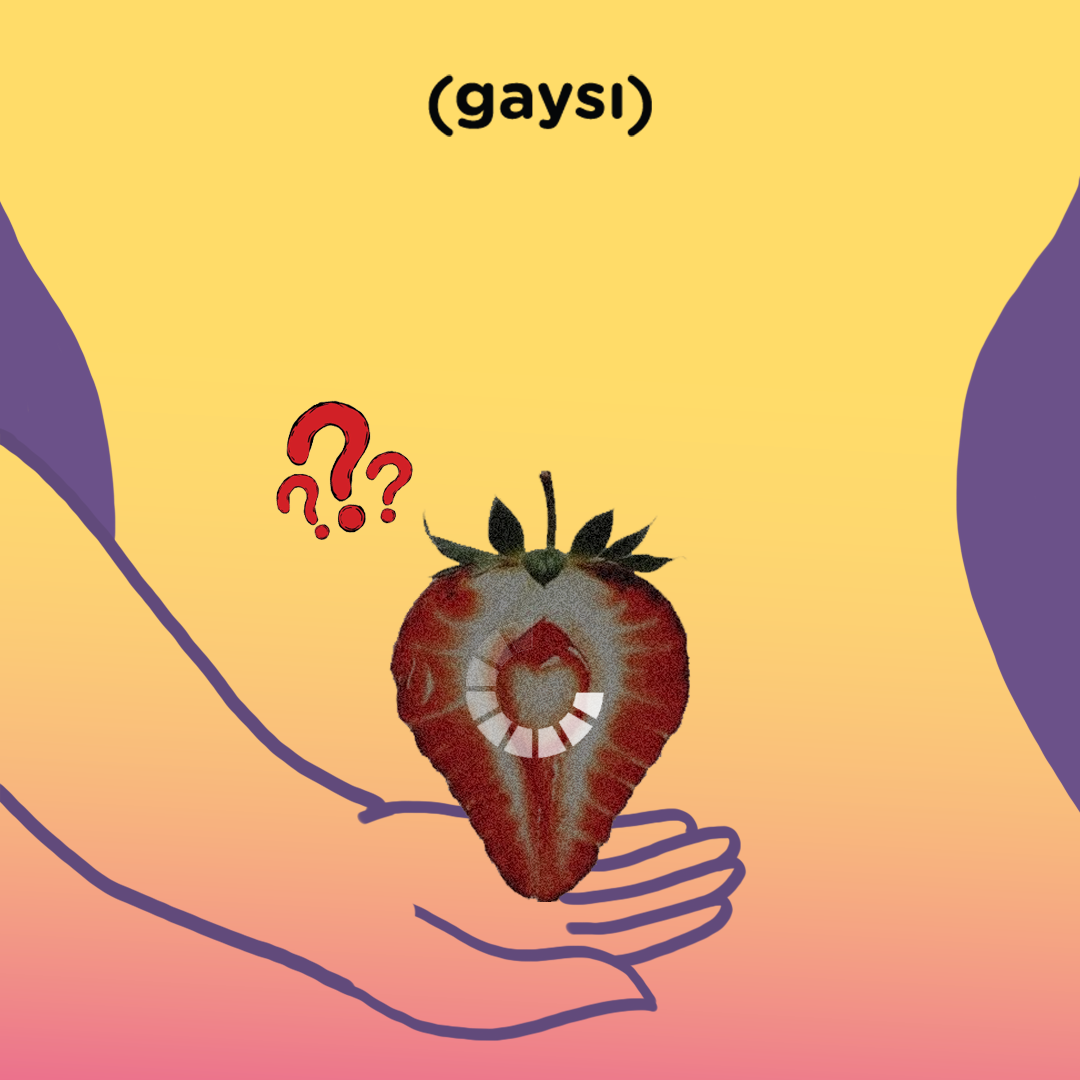
There’s a moment in Euphoria Season 3 that lasts all of five seconds.
At Nate and Cassie’s absurdly expensive wedding, the camera cuts to Lexi and Jules. Jules asks Lexi if she’s still a virgin. Lexi, now 22, doesn’t even blink. She replies: “It’s better than having herpes.” The conversation immediately moves on. No dramatic violin music. No sad speech about loneliness. No inspirational monologue about self-love. No one treats her like a tragic Victorian orphan who has never known the touch of another human being.
She simply states a fact and continues existing.
As a 26-year-old virgin, I nearly stood up and applauded. Not because virginity is inherently good. But because, for once, it wasn’t being treated like a disease or a disorder.
Growing up, pop culture convinced me that losing your virginity in your teens was an important rite of passage. A sacred ritual of entering womanhood. Teen dramas were especially guilty of this. By sixteen, fictional characters were having earth-shattering romances, life-changing hookups and enough emotional damage to keep several therapists employed for decades. Meanwhile, I was worried mostly about my exams and body image.
There seems to be an invisible deadline attached to adulthood: get your first kiss, get your first relationship, lose your virginity. And then congratulations, you are a proper human being. Miss one of those milestones and suddenly people act like you’re behind on a school assignment. The weird thing is that nobody ever explains behind whom. Is there a scoreboard? A government portal? A sexual achievement certificate issued by a local municipality?
I’ve never found one. Yet the pressure remains.
Virgin-shaming is one of those socially accepted forms of mockery that people rarely question. Call someone inexperienced and it becomes a joke. Call somebody a virgin and it becomes an insult. The implication is always the same: nobody wants you, nobody desires you, you have failed some secret adulthood test.
Researchers and educators who study bullying have noted that virgin-shaming often functions as a way of enforcing social norms around sexuality and status, rather than reflecting anything meaningful about a person’s character. Which is funny when you think about it. Because having sex is not a personality trait. It’s an activity. Nobody treats learning to drive this way. Imagine if someone said: “You’re 26 and you’ve never driven a motorcycle? That’s embarrassing.” Most people would rightly respond: “Okay?”
Yet when sex enters the conversation, otherwise intelligent adults suddenly begin speaking like medieval villagers worried about prophecy.
I think queer people understand this better than most. For many LGBTQIA+ people, life doesn’t simply happen according to the straight timeline. First crushes arrive later. First relationships arrive later. Coming out happens at different ages. Many people spend years figuring out who they are before they even begin exploring intimacy. There is no universal schedule. There never was.
And honestly, even amongst straight people, the supposed timeline has always been largely fictional. Some people have sex at seventeen, at twenty-seven, or at forty-seven. Some never do. All of those lives are equally real.
What also gets lost in conversations about virginity is the assumption that a lack of sexual experience means a lack of desire. As if admitting you’ve never had sex means you’ve never had a crush, never fantasised, never wanted intimacy.
The reality is much more complicated.
Long before I’d ever explore intimacy and desire in real life, I was already exploring it through fandom. Through fictional crushes, fanfiction, Tumblr posts and late-night conversations about characters who didn’t technically exist.
The older I get, the stranger virgin-shaming feels. Not because I’ve become enlightened, but because adulthood reveals a secret nobody tells teenagers: everybody is insecure about something.
The people who mock virgins aren’t necessarily confident. The people with extensive dating histories aren’t automatically happier. The people posting couple selfies every weekend aren’t necessarily living in a romantic comedy.
Everyone is improvising, confused and pretending to know what they’re doing. Sex doesn’t magically solve that. If anything, adulthood teaches you that intimacy creates entirely new complications: heartbreak, ghosting, situationships, exes who reappear at suspiciously convenient moments, group chats that require forensic analysis. The list goes on. Virginity isn’t the problem people imagine it to be.
Looking back, I wish more stories had told me that. Not that I needed to rush. Not that I needed to wait. Not that sex was sacred. Not that sex was meaningless. Just that none of it determined my worth as a person. That being inexperienced didn’t make me immature. That being single doesn’t make me undesirable. That adulthood wasn’t a race where the winner gets a trophy shaped like emotional stability.
Because frankly, if such a trophy existed, nobody on Euphoria is receiving it.
