


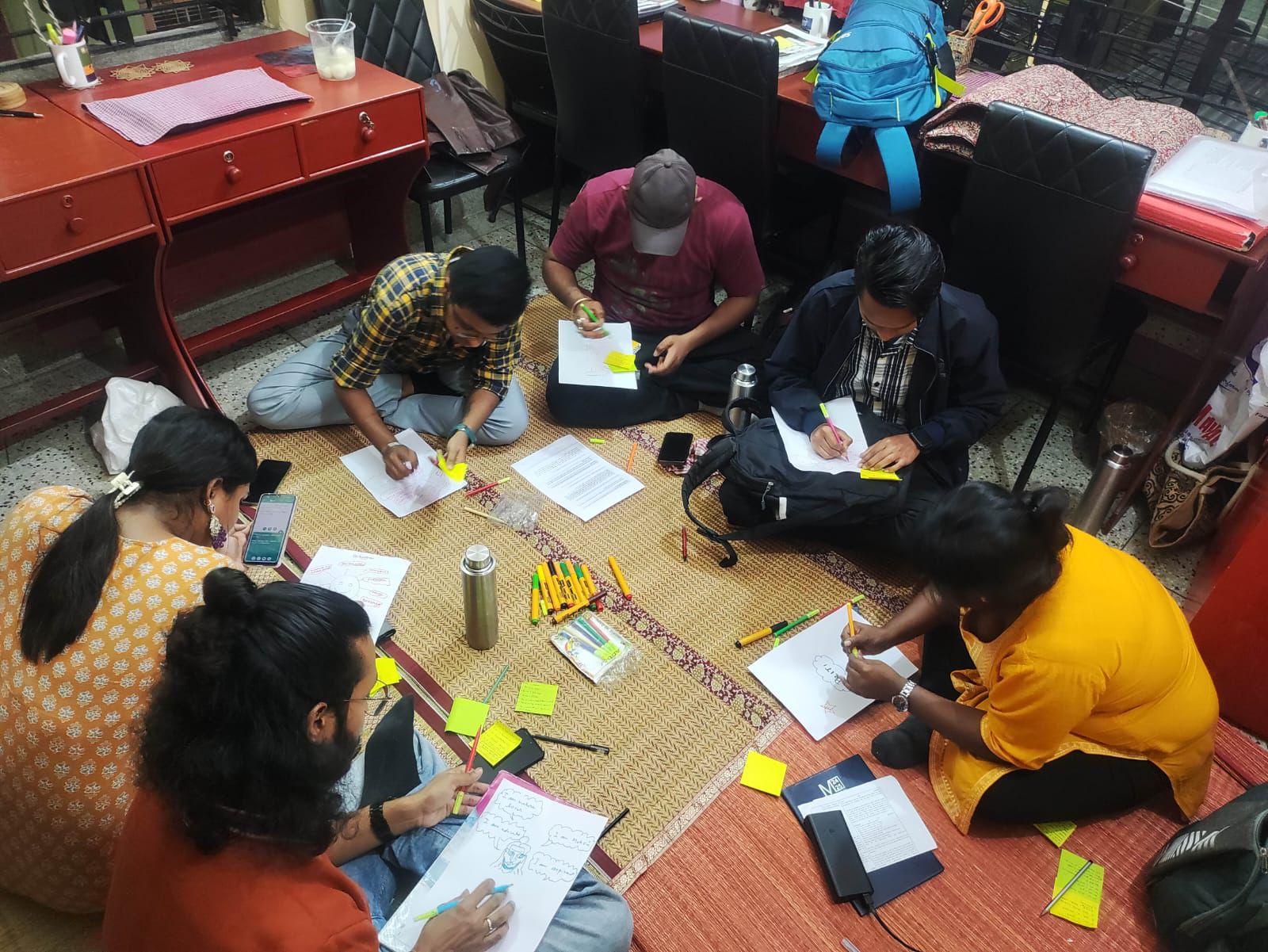
Editor’s Note: This piece is a concept document submitted by the NGO. At Gaysi, we see value in showcasing ideas and organizations that are engaging with challenging narratives, institutions, systems, and frameworks in ways that spark conversation. Gender Jagrik is one such effort, and while it is not a definitive solution, it is an attempt—one that invites critique, reflection, and dialogue.
We encourage our readers to engage with this in the spirit of negotiation rather than hostility. Let’s discuss, debate, and unpack these ideas with respect, recognizing that change is an ongoing process, and every step—whether agreement or critique—adds to the larger conversation and exploration.
An Ode to Gender & All Its Fluidities: The Hypocrisy of Masculinity
For eons, men have been handed a script. Be strong. Be powerful. Be feared. Show no weakness. “Mard ko dard nahi hota.” Don’t cry, don’t feel, don’t compliment another man unless you want to be side-eyed by the whole gully mohalla. And if you’re not playing by these rules? You’re failing at being a man.
The irony? Men don’t even get to define their own masculinity. Social norms of gender, race, caste, and other intersections do it for them.
We say we want men to be more vulnerable, but the moment they show emotion, they’re told to “man up”. These conservative gender roles are not limited to only men. We push for women to have more power, but only if they don’t get too aggressive. We say we are queer and trans allies, but during the COVID-19 lockdown, barely acknowledged how transgender communities need for safe spaces to live.
Also read: Kerala High Court Recognizes Family Spaces as “Sites of Abuse” for LGBTQIA+ Folks
And then there’s the weaponization of gender itself—
Women CEOs advocating feminist policies while underpaying their female employees.
Men crying “false allegations” to dodge accountability while conveniently ignoring that 90% of sexual violence cases go unreported.
Corporations slapping rainbows on products for Pride Month while quietly exploiting queer employees behind closed doors.
Masculinity today is both a privilege and a prison, depending on how you see it.
Also read: What is it like as a Transgender Woman in Corporate India?
What is Masculinity, Really? (Through the Lens of Our Collective Delulu)
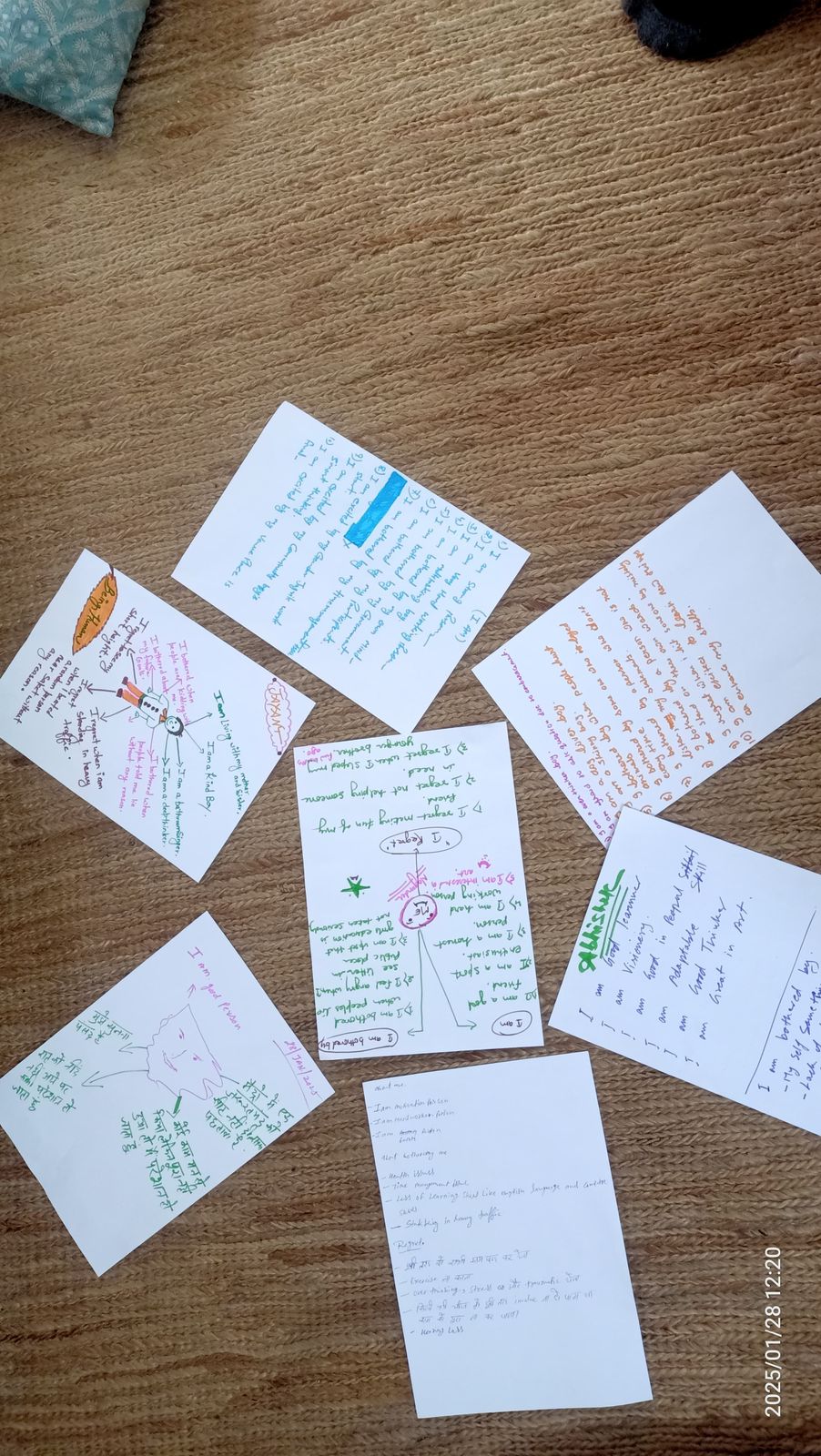
If you strip it down, masculinity isn’t about biology. It’s about power.
The power to take up space, while femininity is expected to be about shrinking itself. The power to be dominant while anyone who doesn’t fit into the hyper-masculine mold is dismissed as weak, “beta,” or worse, “feminine.”
And if you dare to step out of line?
A trans person is denied healthcare because their gender marker doesn’t “match” their body, and the doctor does not understand beyond the cis-normative curriculum they’ve been drenched in.
A cis man who gets sexually assaulted is denied justice because “men can’t be raped.”
A lesbian woman is forced into “corrective” marriage because her love is seen as a phase.
The script is old. The stakes are real.
And Bollywood’s pop culture? It’s been serving this masculinity propaganda for decades. Art imitates society. Society inspires art. And, representation remains a slippery slope.
Also read: Queer Imaginations of Masculinities in Popular Media in 2021
Shah Rukh Khan’s character romances with open arms, while Salman Khan’s proves his manhood by beating up ten goons. Deepika in ‘Cocktail’ is loved only when she lets go of her modernity and embraces sanskaar. Meanwhile, Rani Mukherjee in Mardaani must adopt mardangi to command respect. Ranveer Singh wears a skirt and gets called a disgrace. But when a Bollywood hero cross-dresses for cheap laughs (Coolie No.1, Partner, Kya Kool Hai Hum), it’s peak comedy.
While films like ‘Badhaai Do’ & ‘Chandigarh Kare Aashiqui’ try to initiate trans dialogues, regressive films like ‘Kabir Singh’ glorifies abuse and are praised for its “raw intensity”. Then there’s the intellectual elite. Wokes at wine-tasting baithaks, name drop films like Fire & Blue is the Warmest Color to sound progressive. But be honest, how many of us have actually watched these films? As recently as 2023, we have had releases like Animal—a film that glorifies masculinity as a factor of body count, suppressed daddy issues and a man who literally communicates in grunts.
The message? You’re not a real man unless you’re emotionally unavailable, physically violent and deeply traumatized. (Reminds me of a couple of Ranbir Kapoor films packaged in the name of coming-of-age cinema.)
And here’s the catch—movies aren’t just movies. They shape the way we see the world, the way we see ourselves. A boy who grows up watching heroes equate love with control, violence with validation, and silence with strength learns that this is what it takes to be a man. A girl who sees herself constantly sidelined, objectified, or “redeemed” through patriarchy internalizes that her worth is conditional.
Creators may claim creative freedom, but with influence comes responsibility. Not because they must bear the burden of morality, but because their work seeps into the subconscious of an entire generation. And right now, we—a civilization with phones in our hands at all hours of the day—are still clinging to norms that belong in a world that can no longer exist. The question is, do we keep consuming, or do we start questioning?
Enter Gender Jagrik: An Attempt to Redefine Masculinity
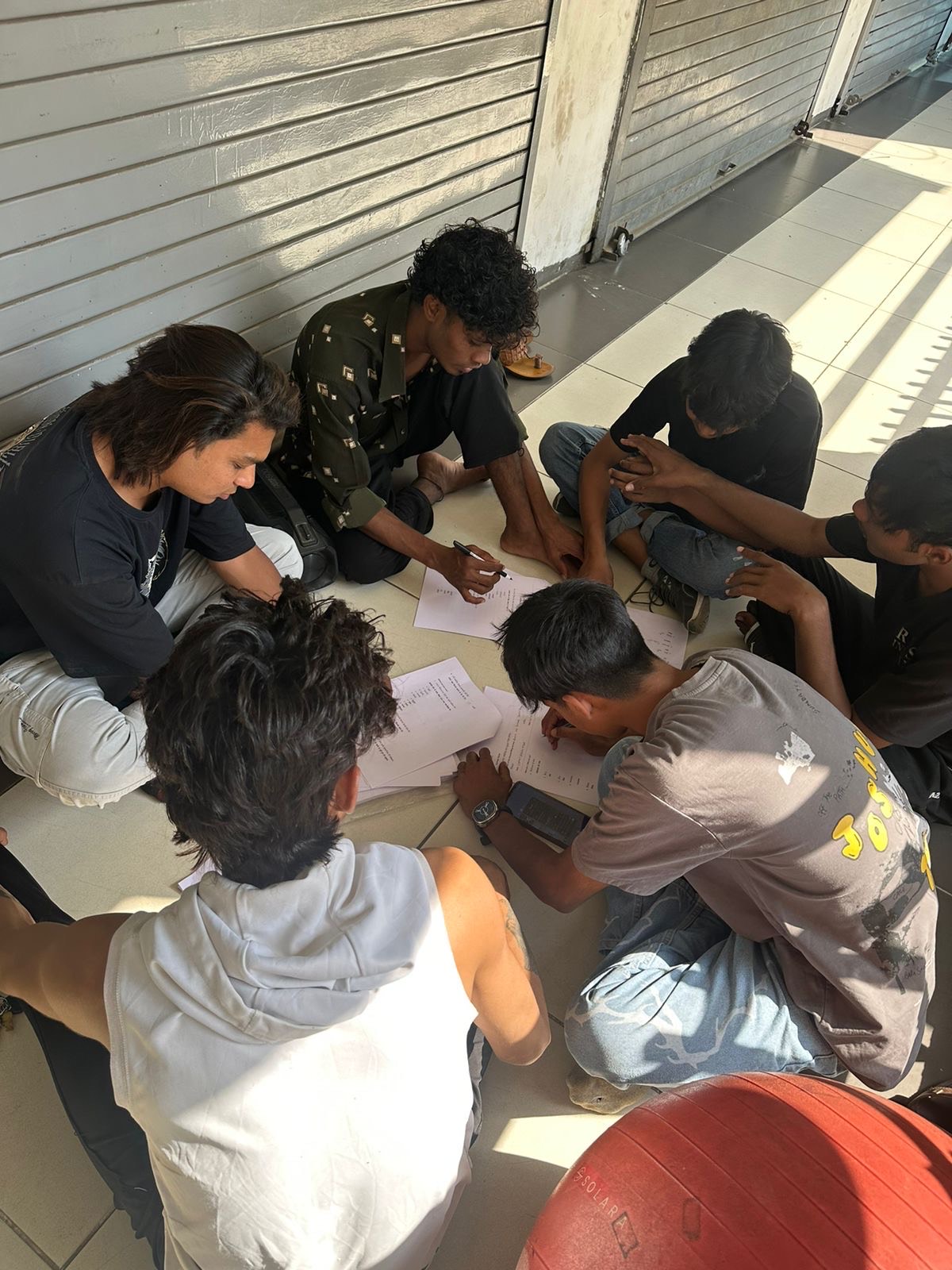
Gender Jagrik is an effort to engage young men and boys in questioning and reshaping the roles they have been handed. It recognizes that gender injustice is deeply embedded in everyday structures and seeks to disrupt these patterns through experience, dialogue, and action.
Run by ComMutiny-The Youth Collective and YES Foundation, with support from the Ford Foundation, the program works with young men and boys—some who have caused harm, others who have remained silent witnesses, unsure of how to intervene. It does not stop at recognizing privilege; it challenges participants to consider how power operates in their lives and what it means to shift it.
Operating across five cities in India—Delhi (with TYCIA), Kolkata (with Taalash Foundation), Lucknow (with YES Foundation), Indore (with Had Anhad and AAS), and Ahmedabad (with Urja Ghar)—Gender Jagrik moves beyond conventional learning models. It prioritizes lived experience over instruction, using dialogue circles, gamification, real-world challenges, and social action projects to bring gender justice from theory into practice.
Participants engage in conversations and actions that push them to reconsider masculinity—not as a rigid expectation but as something that can be redefined. They take on gender-transformative tasks—initiating conversations within their families, challenging discriminatory practices, and taking small but tangible steps toward shifting norms. The emphasis is on engagement, not prescription; on participation, not passive learning.
At its core, Gender Jagrik is about navigating discomfort, questioning assumptions, and taking steps—however small—toward a world where power is not concentrated but shared.
The Work Begins in the Everyday
The conversations Gender Jagrik fosters don’t exist in the abstract. They unfold in lived realities, shaped by caste, class, religion, and gender. The impact can be seen in small but meaningful shifts:
A group facilitating dialogues on unpaid domestic labor.
A friend choosing to challenge everyday sexism instead of staying silent.
Each act may seem small on its own, but together, they push against the structures that uphold inequality.
This isn’t about utopia-building. It’s about shifting the narratives we live by.
A world where…
A boy stands up to his uncle for ridiculing a girl’s ambition.
A father shares household chores without needing applause.
A gay couple’s wedding has a Joota Chhupai rasm.
A young man understands that consent is not just a “yes or no” but a culture of respect.
That is the world Gender Jagrik is working toward—knowing full well that it is a long journey, and this is only a first step.
An Ode to Gender
Gender was never meant to be a box. It was meant to be a universe—expansive, infinite, full of possibilities.
To explore, not to regress. To evolve, not to cosplay as cavemen.
Yet here we are, in an era where a man can’t even say, “Bro, you look good today,” without someone questioning his masculinity. Compliment another man’s jawline, and suddenly, it’s a crisis of testosterone.
Meanwhile, “alpha male” culture has turned a term meant for wolves into a badge of honor for podcast bros who think grunting louder makes them leaders.
Turns out, masculinity isn’t just fragile—it’s feral.
And it’s long past time we reimagine it.
